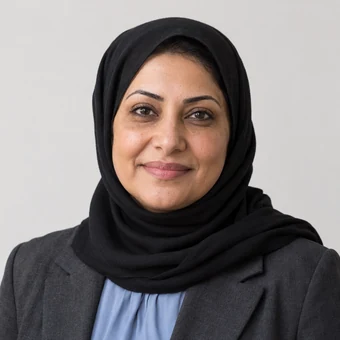
Bahrain neurologist calls for 15-minute response to stroke patients
Emergency medics should arrive at the scene of a stroke within 15 minutes to give patients the best chance of survival, Dr. Hani Humaidan said at the second Brain Health Conference, which opened yesterday at the Mövenpick Hotel Bahrain.
Key points
- Humaidan presented the talk 'The New Era of Stroke Care: Key AHA/ASA Guideline Shifts' during the conference's opening session.
- The American Stroke Association's 2026 guideline was published January 26 and sets out recommendations for rapid stroke assessment and treatment.
- The guideline says hospitals should finish the first brain scan within 25 minutes of a patient's arrival to distinguish ischemic stroke from brain bleed.
- For clot-busting medication, the guideline endorses tenecteplase or alteplase within 4.5 hours after symptoms begin.
- The guideline also broadens eligibility for mechanical clot removal to selected patients within 24 hours of symptom onset.
Urgency at the center of stroke care
Humaidan, president of both the conference and the Bahrain Neurosciences Association, emphasized the need to act quickly when treating stroke patients. According to the published conference agenda, he delivered "The New Era of Stroke Care: Key AHA/ASA Guideline Shifts" during the opening session, "Time-Critical Neurology: Saving the Brain in the First Hour."
The American Stroke Association's 2026 Guideline for the Early Management of Patients With Acute Ischemic Stroke, published January 26, sets out recommendations for rapid assessment and treatment. According to the American Heart Association newsroom, hospitals should finish the first brain scan within 25 minutes after a patient arrives. The scan distinguishes an ischemic stroke from a brain bleed, allowing the appropriate treatment to start immediately.
For clot-busting medication, the guideline endorses either tenecteplase or alteplase within 4.5 hours after symptoms begin. Some patients may still benefit as late as 24 hours after symptom onset, but that longer window applies to selected patients whose advanced brain imaging identifies tissue that can still be saved.
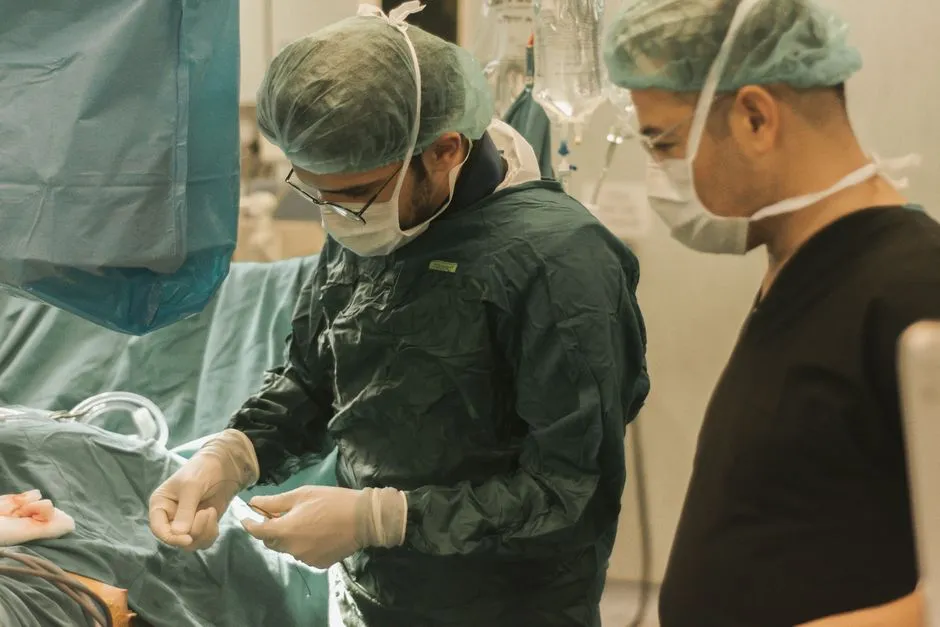
The guideline also broadens eligibility for endovascular thrombectomy, or mechanical clot removal, to selected patients within 24 hours of symptom onset. Those eligible include some patients with blockages in the posterior circulation, at the back of the brain. The document also provides its first detailed recommendations on stroke diagnosis and treatment in children.
Conference leadership and support
The conference's speaker profile identifies Humaidan as a consultant adult neurologist and stroke specialist practicing in Bahrain. He received his MD from Sultan Qaboos University, holds a Saudi Board in Neurology and completed a stroke fellowship at Australia's Royal Melbourne Hospital.
According to the event's official website, the conference is held in association with Bahrain's National Health Regulatory Authority (NHRA), which provides continuing medical education accreditation for attending medical professionals. The event also has the support of Lieutenant General Doctor Sheikh Mohamed Bin Abdullah Al-Khalifa, chairman of the Supreme Council of Health.