Bahrain Has Seen No Mass Investor Exit Amid Conflict, EDB Chief Says
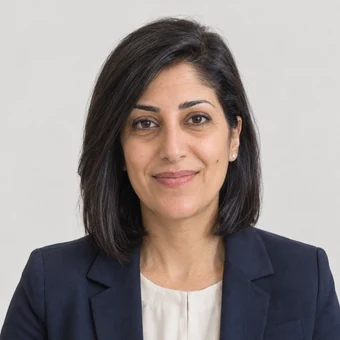
Some companies have put investment decisions on hold amid regional uncertainty, but Bahrain has not experienced a broad investor withdrawal, according to Noor bint Ali Alkhulaif, the country's minister of sustainable development and chief executive of...

Key points
- Alkhulaif said some companies delayed travel or business decisions after government warnings, but did not withdraw from Bahrain broadly.
- The government is keeping in contact with businesses operating in Bahrain, their regional teams and headquarters to keep decision-makers informed.
- Bahrain is accelerating existing plans for air connectivity and logistics, and prioritizing food security and pharmaceutical supply partnerships.
- Gateway Gulf 2026 program was expected to feature more than 110 announcements valued at over $20 billion, covering partnerships, investments, projects and jobs.
- Bahrain announced $3.89 billion in investment tied to four large-scale projects receiving Golden Licenses at the forum, spanning aviation, real estate and technology.
Travel restrictions delay some decisions
Speaking to reporters at Gateway Gulf 2026, Alkhulaif said investors' views of Bahrain had not changed significantly. Companies considering entering the market remained interested, she said, even as they sought a clearer picture of developments in the region.
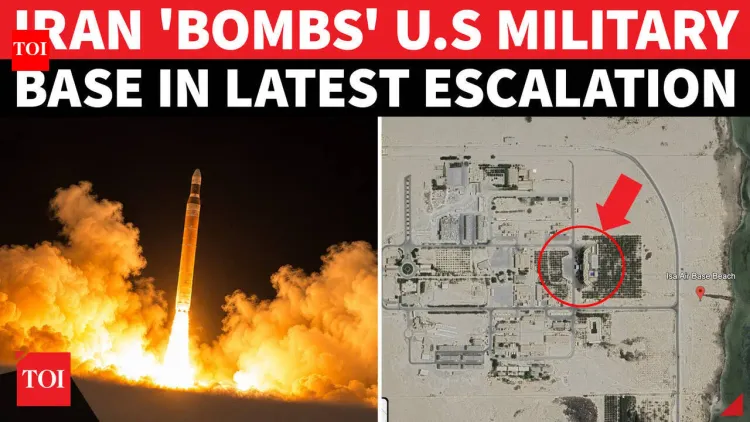
The conflict began in February 2026, when Iranian missiles and drones struck Bahrain, according to AeroTime. The outlet reported that Iran considered Bahrain a legitimate target because it hosts the US Navy's 5th Fleet.
Alkhulaif distinguished postponed decisions from a loss of confidence. Some companies had held back on decisions involving travel or business operations, including after governments issued travel warnings or asked them to defer activities.
"Bahrain is providing clear and realistic information to investors and is being transparent about the circumstances," she said. Officials did not want to encourage visits without explaining the potential risks. The government was also keeping in contact with businesses operating in Bahrain, their regional teams and headquarters to keep decision-makers informed.
Supply chains and aviation draw attention
The conflict has pushed Bahrain to move faster on existing plans for air connectivity and logistics, including discussions with international partners, Alkhulaif said. Food security and pharmaceutical supplies have also become greater priorities, with Bahrain developing partnerships within the region and beyond to make essential supplies more resilient.
AirAsia's planned presence in Bahrain could open logistics opportunities beyond the airline's own operations, she said. Bahrain is also exploring investment in artificial intelligence, robotics and autonomous vehicles.
On November 1, 2026, AirAsia underscored its long-term commitment by appointing a board for AirAsia Bahrain, with Dr. Serra Kirdar as chair and Dato' Fam Lee Ee as vice chairman. Tony Fernandes, CEO of AirAsia parent Capital A, said geopolitical conditions had forced changes to the initial plans, but the group's commitment to Bahrain remained unchanged.
The group is aiming to begin AirAsia flights to Bahrain by March 2027, subject to conditions. Its logistics business, Teleport, has operated freighter services to Bahrain twice a week since February 2026 and is adding capacity through larger freighter aircraft.
Gateway Gulf investment commitments
The EDB hosted the fourth Gateway Gulf on November 1-2, 2026, at the Four Seasons Hotel Bahrain Bay. More than 200 participants attended, including ministers, senior government officials, chief executives and investors from around the world. Crown Prince and Prime Minister Prince Salman bin Hamad Al Khalifa inaugurated the forum.
At the opening, Finance and National Economy Minister Shaikh Salman bin Khalifa Al Khalifa said the two-day program would feature more than 110 announcements valued at over $20 billion, encompassing partnerships, investments, projects and jobs.
Bahrain announced $3.89 billion in investment tied to four large-scale projects receiving Golden Licenses at the forum. The projects cover aviation logistics, real estate and technology.
The aviation investments include a maintenance, repair and overhaul facility at Bahrain International Airport, described as DHL's first and only regional MRO facility, and three ventures led by Capital A. The other projects are a Meliá waterfront development on Amwaj Islands, in partnership with Infracorp, with a five-star hotel and Meliá-branded residences; and Digital City Bahrain, a hub for information and communications technology, innovation and education.
Measuring activity alongside GDP
Responding to a question about lower growth forecasts, Alkhulaif said the government assesses economic performance through both GDP and evidence of business activity, such as investment agreements, company announcements and expansions.
She pointed to more than 100 agreements and announcements, including about 60 at an event the previous month. These covered digital banking initiatives, partnerships and business expansions.
Bahrain also checks its own economic projections against those of international institutions, including the International Monetary Fund, whose forecasts many investors use to judge the country's outlook. The EDB says non-oil activity represents about 86% of Bahrain's GDP, citing that share as evidence of the economy's diversified base.