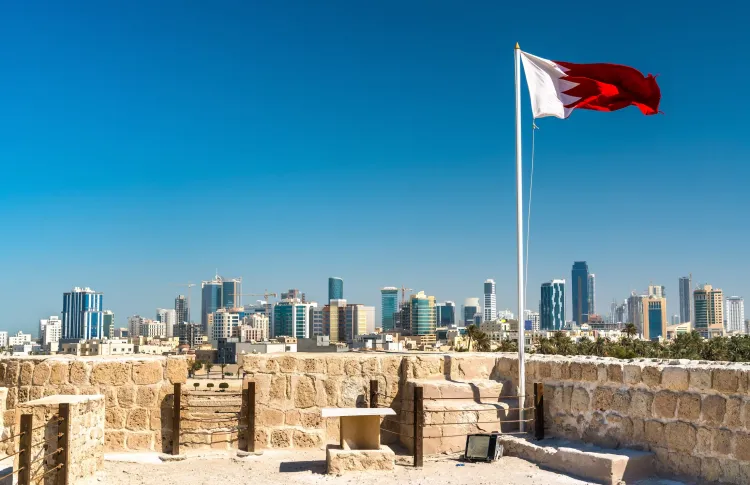
US renews security warning for Americans in Bahrain and Saudi Arabia
The U.S. State Department renewed its warning to Americans in Bahrain and Saudi Arabia on November 18, 2026, as attacks continued against the two Gulf countries. Washington attributes the attacks to Iran and its allies.
Key points
- The State Department says both countries remain at Level 3, Reconsider travel, under advisories issued October 23, 2026.
- The Saudi advisory assigns the Yemen border region the higher Level 4 designation, Do Not Travel, because of terrorism.
- On October 23, the State Department ordered non-emergency U.S. government employees and their family members to leave Saudi Arabia.
- Bahrain reported coming under attack for a second straight day, after Iran acknowledged launching drones at Bahrain.
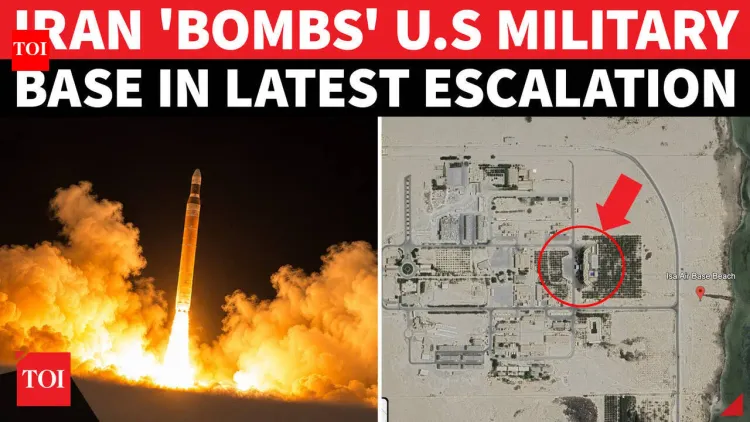
- According to the Associated Press, the November 17 Iranian drone attack was the third against U.S. military targets in Bahrain within five days.
Guidance for residents and travelers
Americans living in or visiting either country should maintain a "high level of vigilance," the department said, citing heightened security threats. The statement reiterates guidance issued since late October, according to Gulf News, as reported by Báo An ninh Thủ đô.
The U.S. Embassy in Manama's November 18 alert advised Americans in Bahrain to watch for security alerts and possible disruptions, including canceled flights and airspace closures. The embassy said it was still providing routine American Citizen Services and visa services.
Both countries remained at Level 3, "Reconsider travel," under State Department advisories issued October 23, 2026. For Bahrain, the department lists terrorism and armed conflict as reasons for the warning. For Saudi Arabia, it cites possible drone and missile attacks on American interests by Iran and the Iranian-supported Houthis, along with armed conflict, terrorism, exit bans and local laws governing social media activity.
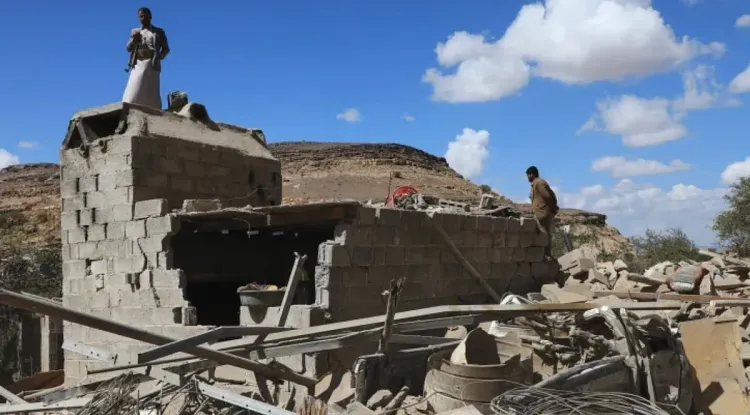
The Saudi advisory assigns the Yemen border region the higher Level 4 designation, "Do Not Travel," because of terrorism. Armed groups operating in Yemen have used armed drones, missiles and rockets to attack Saudi border towns and locations elsewhere in the country, the advisory says.
On October 23, the State Department also ordered non-emergency U.S. government employees and U.S. government employees' family members to leave Saudi Arabia, citing safety risks.
Renewed fighting in the Gulf
On November 18, Yemen's Houthi forces kept up their attacks on Saudi Arabia, while Bahrain reported coming under attack for a second straight day. Tehran had previously acknowledged launching drones at Bahrain.
The previous day's Iranian drone attack was the third against U.S. military targets in Bahrain within five days, according to the Associated Press. Hours after the November 17 attack, a U.S. fighter jet struck an Islamic Revolutionary Guard Corps missile launch site on Qeshm Island in the Strait of Hormuz, using "precision munitions."
Egypt, Qatar, Saudi Arabia and the United Arab Emirates each denounced Iran's attack on Bahrain as a breach of its sovereignty and a threat to its security and stability, the AP reported.
The November exchanges broke a roughly two-month lull in the war, according to the AP. The conflict began on February 28, 2026, when the United States and Israel attacked Iran.
US military buildup
Bahrain, home to the U.S. Navy's 5th Fleet base, and Saudi Arabia, a key U.S. security ally in the Middle East, both play central roles in Washington's regional military presence.
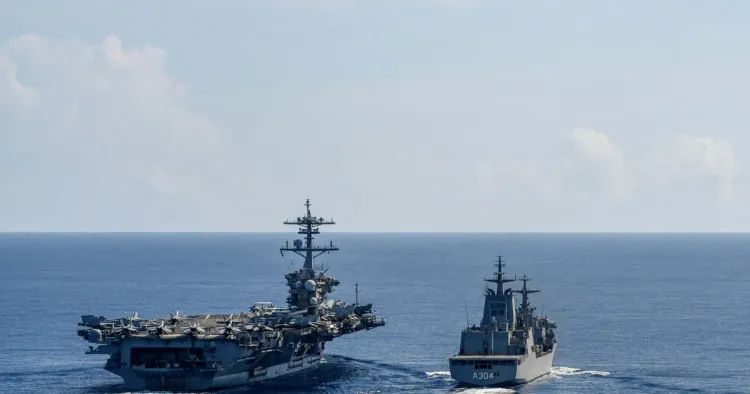
As drone and missile attacks against the United States and its allies increase, Washington is sending additional aircraft carriers and other military assets to the Middle East. The deployments are intended to protect U.S. forces, allies and strategic shipping routes against the risk of a widening conflict.
An analysis cited by the AP says the arrival of the USS Theodore Roosevelt carrier strike group has brought the combined U.S. naval presence across the Persian Gulf, Arabian Sea, Red Sea and Mediterranean above the force deployed at the start of the war. The Roosevelt joins two other carriers, the USS George H.W. Bush and USS George Washington.