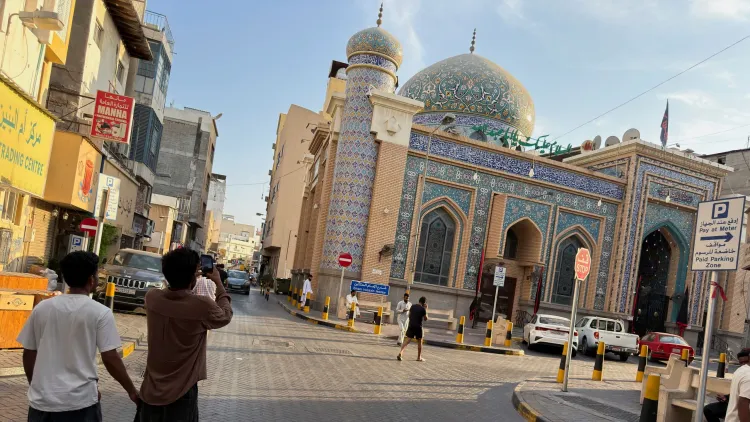
Bahrain MPs seek deportation measures for serious traffic offenders
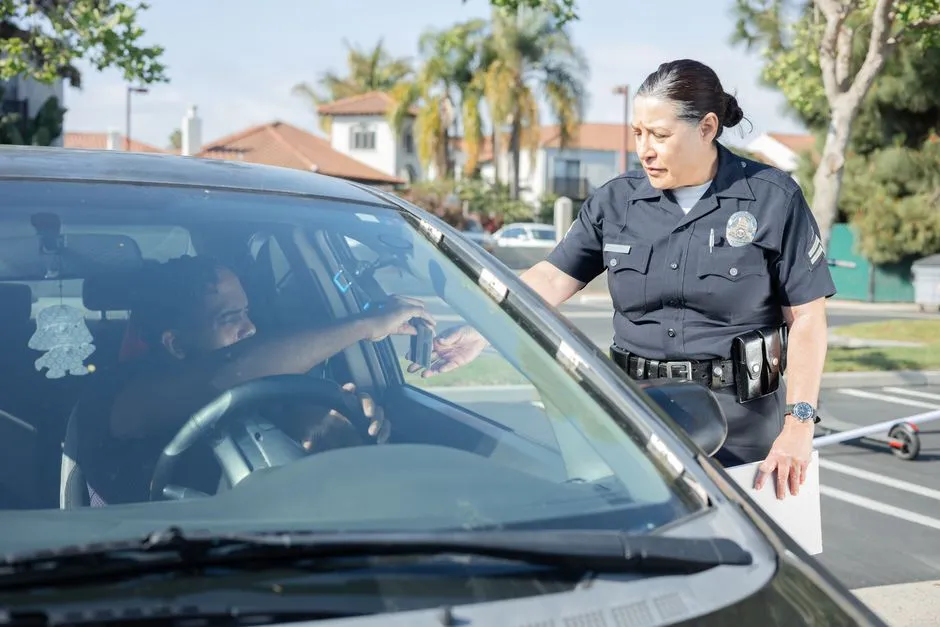
MP Eman Shuwaiter and four fellow legislators want Bahrain's government to examine measures for deporting expatriates after they serve sentences for major traffic crimes. Their proposal places particular emphasis on repeat offenders involved in crashes...
Key points
- Bahrain's Penal Code under Article 64 bis lets judges order a foreign national's deportation, permanently or for at least three years.
- The MPs' traffic proposal would operate within this existing deportation framework rather than create a new deportation power.
- Decree-Law No. 30 of 2025 amended the Traffic Law to broaden courts' authority to confiscate vehicles used in serious traffic violations.
- In January 2026 the Public Prosecution began procedures to sell six vehicles confiscated through final court rulings for serious offenses.
- The Shura Council's foreign affairs committee recommended rejecting a separate bill linking expatriates' driving licenses to residency permit validity.
How the proposal fits existing law
The MPs' call for action against foreign drivers comes within a legal framework that already gives Bahraini courts authority to order deportation following a criminal conviction.
Under Article 64 bis of the 1976 Penal Code, a judge can order a foreign national's deportation either permanently or for at least three years, News of Bahrain reported on January 31, 2026. The traffic proposal would work within that framework, rather than establish a new deportation power.
Vehicle confiscation powers expanded
Bahrain has also strengthened traffic penalties through Decree-Law No. 30 of 2025. The measure amended the Traffic Law, giving courts broader authority to confiscate vehicles involved in serious traffic violations or used to commit them.
News of Bahrain reported on January 14, 2026, that the Public Prosecution had begun procedures that month to sell six vehicles confiscated through final court rulings. The serious offenses behind those rulings included fatal crashes caused by drivers under the influence of drugs or alcohol, as well as wrong-way driving.
Separate debate over expatriate licenses
The Shura Council is also set to debate a separate bill tying expatriates' driving licenses to the validity of their residency permits.
On October 30, 2026, the council's foreign affairs, defense and national security committee recommended rejecting that bill in principle, Gulf Daily News reported. Chaired by Dr. Ali Al Rumaihi, the committee said current regulations already make valid residency a requirement for non-Bahrainis seeking to obtain or renew a driving license.