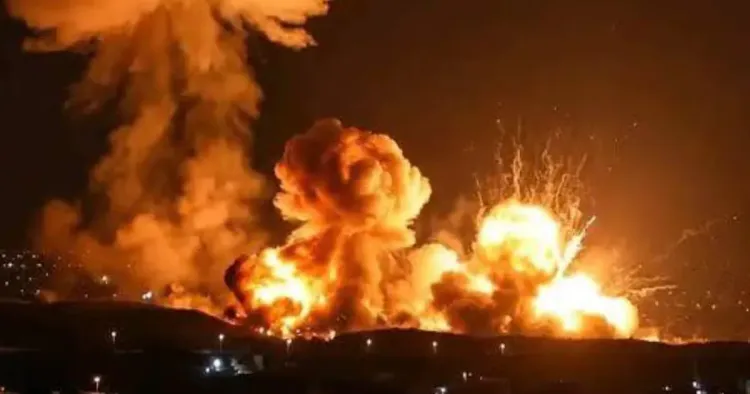
Houthi attack damages Saudi wealth fund's PIF Tower in Riyadh
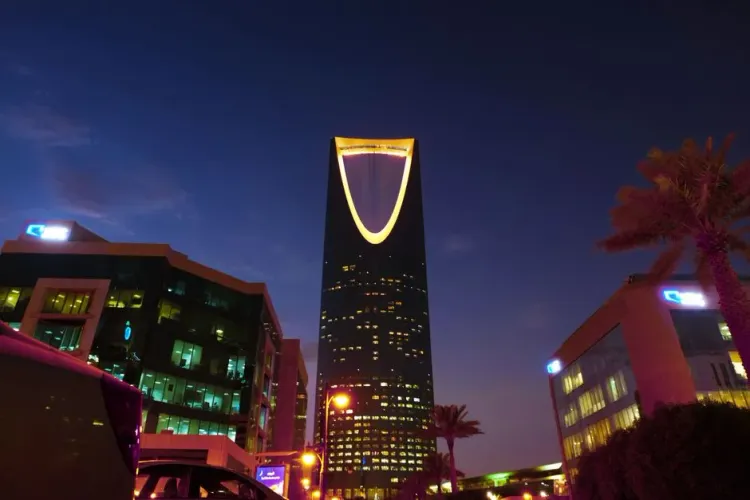
A Houthi strike damaged the headquarters of Saudi Arabia's Public Investment Fund on November 19, shattering windows across seven to eight floors of the Riyadh tower. Saudi authorities reported no injuries. The Houthis later claimed they had attacked t...

Key points
- Saree also claimed attacks on King Khalid International Airport, Khamis Mushait airbase and a SADAF facility in Jubail.
- Reuters said Saudi authorities had not immediately confirmed the additional attacks Saree claimed.
- The PIF Tower is Riyadh's tallest building at 385 meters and houses the Saudi stock exchange headquarters.
- Bahrain condemned the Houthi attacks as terrorist acts and urged the UN Security Council to act decisively.
Tower and nearby buildings damaged
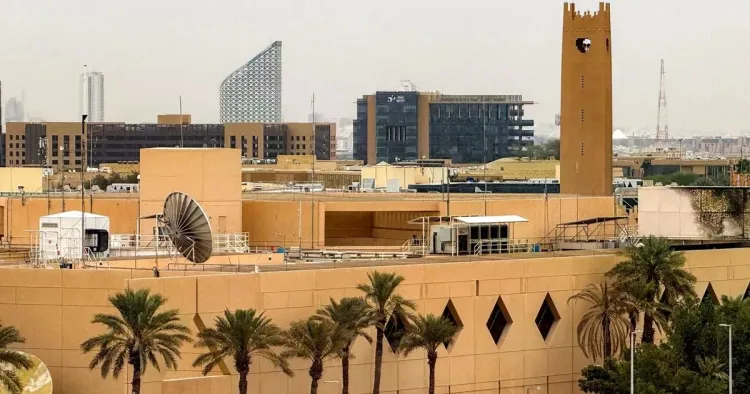
Residents heard a loud boom in the Saudi capital before dawn on Thursday. The attack left windows blown out and sections of the PIF Tower's metal facade bent. Saudi civil defense, in an account carried by state news agency SPA, reported damage to several floors of a tower and to surrounding buildings.
Officials did not identify the tower in that statement, although SPA published an accompanying photograph of the PIF Tower. The Public Investment Fund acknowledged receiving a request for comment from Reuters.
The attack was the second to damage a landmark in Riyadh's financial district in less than two weeks. A Houthi strike hit state oil company Aramco's building on November 8.
There was no immediate Houthi statement, but the group claimed responsibility later on November 19. In a statement on X, military spokesman Yahya Saree said it had struck the district before dawn and again in the evening.
Saree also claimed attacks on Riyadh's King Khalid International Airport, Khamis Mushait airbase in southern Saudi Arabia and the SADAF Petrochemical Company facility in Jubail, in the Eastern Province. Reuters said Saudi authorities had not immediately confirmed those additional attacks.
A target in the financial district
At 385 meters, the PIF Tower is Riyadh's tallest building and ranks second in Saudi Arabia. Its occupants include the Saudi stock exchange's headquarters and multinational firms such as Goldman Sachs.
The Public Investment Fund, chaired by Crown Prince Mohammed bin Salman, manages more than $900 billion in assets and ranks among the world's largest sovereign wealth funds.
Mohammed al-Basha, founder of the US-based risk advisory firm Basha Report, said the Houthis "appear to be deliberately targeting prominent towers and symbolic landmarks to undermine confidence in Vision 2030".
Saudi Arabia reserves right to respond
The Saudi foreign ministry said the kingdom reserved the right to take "all necessary measures" to defend its sovereignty and safeguard its citizens and national assets.
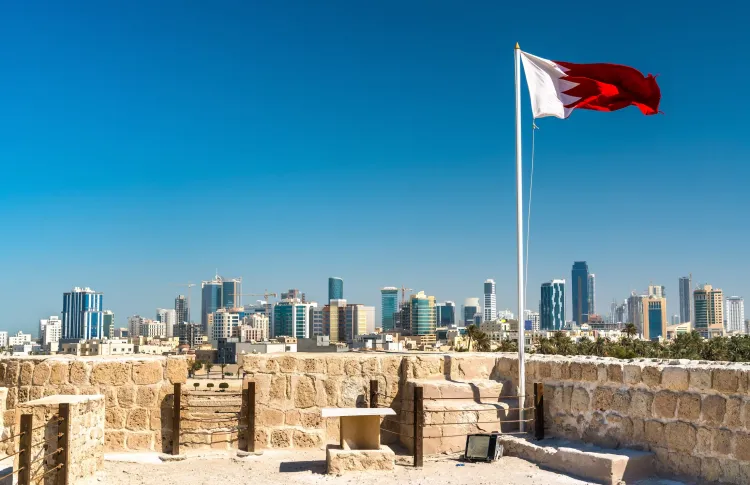
Bahrain also condemned the continuing Houthi attacks on November 19, calling them terrorist attacks that violated Saudi sovereignty, international law and international humanitarian law. Its foreign ministry described them as a serious threat to regional security and stability.
The Bahraini ministry pledged solidarity with Saudi Arabia and backed its measures to protect its sovereignty, national assets, citizens and residents. It cited the kingdom's right to self-defense under Article 51 of the United Nations Charter and said Saudi security was inseparable from that of Bahrain and the GCC.
Bahrain urged the UN Security Council to act decisively to stop the attacks and hold both the perpetrators and their backers accountable. It called for implementation of Resolutions 2216, 2817 and 2837 to protect civilians, vital economic infrastructure, and regional and global security and stability.
Airport attacks and the campaign in Yemen
The Houthis have targeted Saudi airports and oil infrastructure since Yemen's stalled civil war resumed in July amid the US-Iran war. A Reuters factbox identified Riyadh's airport as the Saudi airport most heavily targeted in the campaign.
The group first claimed an attack there on September 19, 2026, followed by claims on eight days in October and six in November. Saudi authorities acknowledged at least four attacks on the airport during the week beginning October 5. They reported one death on October 7, three on October 8, 13 on October 10 and one on October 11.
In Yemen, the Houthis had taken control of the entire Red Sea coast, including the strategically vital Bab el-Mandeb Strait, by mid-November, according to Reuters. They had also encircled Taiz and were approaching Aden, the interim seat of the internationally recognized government.
Reuters reported on November 18 that Saudi officials expected their campaign against the Houthis could continue for up to six months, extending into 2027. Two Western officials briefed by the Saudis and a third source said the kingdom wanted its allies to gain ground before negotiating with the Houthis. Saudi Arabia had replaced the commander of its coalition in Yemen that week.
Also on November 18, Crown Prince Mohammed bin Salman met Admiral Brad Cooper, the head of US Central Command, in Riyadh. Reuters described the meeting as Cooper's third publicly reported visit to Saudi Arabia since fighting resumed in Yemen.
Gulf security analyst Anna Jacobs said Riyadh was entering "a phase of escalation" with the Houthis. Saudi Arabia "will respond, but they know that the only way this ends is through negotiations", she said.
Deaths and displacement in Yemen
The latest round of fighting in Yemen has killed more than 1,600 people and displaced more than 300,000, according to UN figures cited by AFP.
The Houthi-run health ministry reported that Saudi strikes and landmine-related incidents had killed 11 civilians and wounded 36 across several provinces in the 24 hours before November 19. It also reported at least nine deaths from Saudi strikes in Mocha, a city on the western coast in Taiz province.