Syria Considers Joining Mecca Defense Alliance, Foreign Minister Says
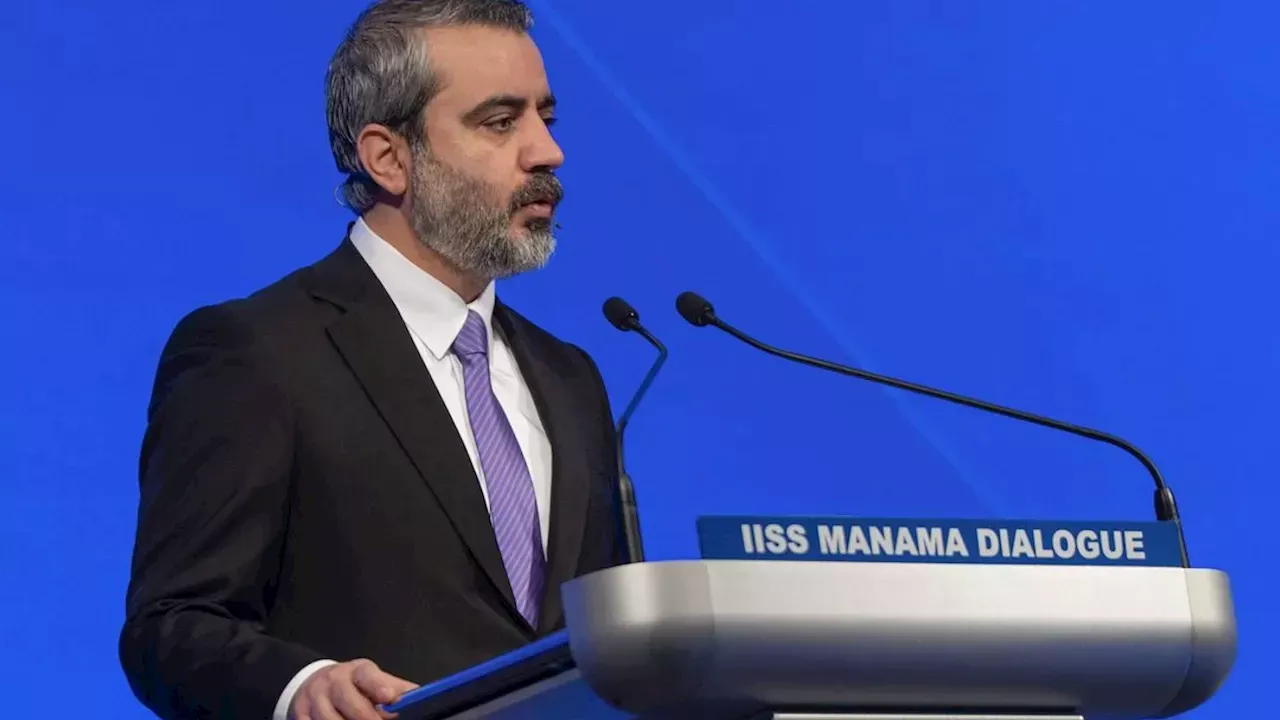
Syria is discussing whether to join the Mecca alliance of Turkey, Pakistan and Saudi Arabia, Foreign Minister Asaad al Shaibani said Saturday at the Manama Dialogue 2026 in Bahrain. He offered no timetable for a decision.
Key points
- Syria's foreign minister Asaad al Shaibani said Syria stands with Gulf states and Jordan against any aggression, according to Türkiye Today.
- Shaibani said more than 3.7 million Syrians have returned home since the Assad regime fell in December 2024.
- Shaibani said Syria had joined the international coalition against Daesh (ISIS) and called integrating northeast armed groups into state institutions a historic step.
- Shaibani accused Israel of more than 1,000 attacks against Syria in under two years and urged a return to pre-December 8, 2024 lines.
- The Mecca Joint Defence Agreement, signed by Pakistan, Saudi Arabia and Turkey, follows NATO's Article 5 model, with the text not made public.
Membership talks and regional security
At a regional security session in Manama, Shaibani described Syria as inseparable from the region's security and pledged support for arrangements that protect its stability. He said the need to develop shared deterrence and defense systems was greater than ever.
The pact allows for expansion, but its three founding members must agree by consensus on the procedures and principles governing accession. Turkish Foreign Minister Hakan Fidan has said other countries can join, according to Türkiye Today.
Egypt has also been discussed as a prospective member. According to Wikipedia's account of the alliance, Turkey reportedly sought to include Cairo in a four-country defense arrangement, but that proposal has not materialized. Obstacles cited include Egypt's agreements with Greece and Cyprus and its unwillingness to promise unconditional military support to allies.
The pact's commitments and structure
Pakistan, Saudi Arabia and Turkey signed the Mecca Joint Defence Agreement into force on August 7, 2026. Also known as the Mecca Defence Alliance or Mecca Pact, it follows the model of NATO's Article 5: an armed attack against any one member is to be treated as an attack against all three. The agreement's text has not been made public, according to Wikipedia.
The same source describes a 16-article agreement addressing collective defense, military and security cooperation, defense-industrial development, intelligence sharing, logistical support and institutional coordination. Its Strategic Political and Defence Committee brings together the members' foreign ministers, defense ministers and chiefs of general staff.
A secretariat in Saudi Arabia is led by a secretary-general under a rotating three-year term. The first secretary-general is a Pakistani citizen.
Yemen and possible Syrian involvement
The alliance was first invoked on October 5, 2026, in response to Houthi attacks. Members agreed to the "rapid deployment" of Pakistani and Turkish troops to Saudi Arabia, according to Wikipedia. Turkey, however, restricted its contribution to defensive and technical support rather than combat forces.
During October, Saudi Arabia and Syria discussed whether Syrian troops might take part in Yemen. Those contacts came as Riyadh struggled to obtain much active support from its alliance partners despite activating the pact. Axios reported that the Trump administration knew about the Saudi-Syrian discussions and did not object to possible Syrian participation in a planned operation.
At the Manama forum, Shaibani backed the Yemeni government's efforts to reestablish sovereignty and stability throughout the country. He also called on all parties to respect states' unity and sovereignty, presenting that position as consistent with Syria's approach to regional conflicts.
Gulf ties and developments inside Syria
Shaibani said Syria stands "shoulder to shoulder with the Gulf states and Jordan in the face of any aggression," according to Türkiye Today. He described stability in the Gulf as a natural extension of Syrian security.
He also told the gathering that Syria had joined the international coalition against Daesh (ISIS). He characterized the integration of armed groups from Syria's northeast into state institutions as a historic step.
More than 3.7 million Syrians have returned home since the Assad regime fell in December 2024, Shaibani said.
Israeli attacks and the buffer zone
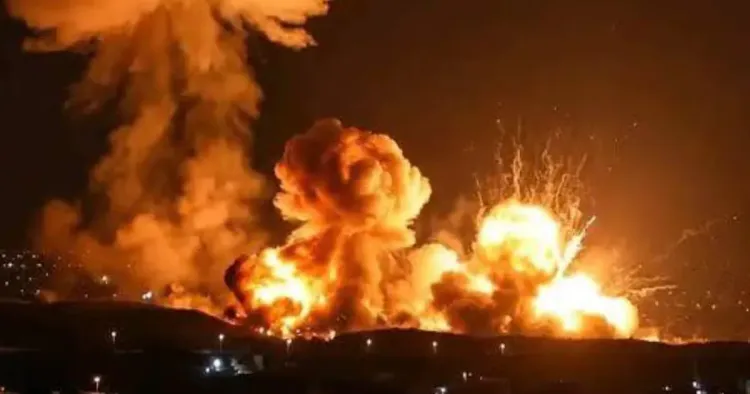
Shaibani accused Israel of conducting more than 1,000 attacks against Syria in less than two years and killing dozens of people. He questioned how demands for border control and exclusive state control of weapons could be justified while Syria faced daily violations of its sovereignty.
He condemned the attacks and urged a return to the lines that existed before December 8, 2024, along with implementation of the 1974 Disengagement Agreement. Citing UN Security Council Resolution 497, he reiterated that the Golan Heights belongs to Syria.
Following the Assad regime's fall on December 8, 2024, Israel occupied the buffer zone created by the 1974 agreement and established military positions both within it and beyond its boundaries. The UN has said that occupation violates the agreement.