GCC approves new military command center and supporting forces in Kuwait
Gulf Cooperation Council defense ministers approved a Kuwait-based military command center on November 10, 2026, and the allocation of forces to support it, expanding the six-country bloc's joint defense arrangements. The announcement did not set an op...
Key points
- GCC Secretary-General Jasem Mohamed Al Budaiwi announced the approval after the Joint Defence Council's 23rd session in Manama on Tuesday.
- Arab News describes the Kuwait facility as a forward command located nearer potential flashpoints than the main command.
- Neither the specific duties nor the size and makeup of the assigned forces were disclosed, according to The National and Gulf Business.
- Al Budaiwi condemned Iranian attacks on all six GCC countries during the war that began in February 2026, praising coordinated military responses.
Kuwait facility to support existing command
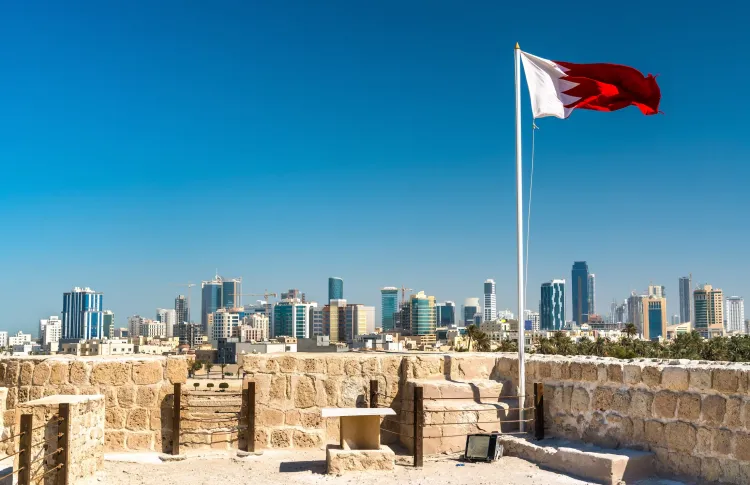
GCC Secretary-General Jasem Mohamed Al Budaiwi announced the approval following the Joint Defence Council's 23rd session in Manama on Tuesday. Lieutenant General Abdullah bin Hassan Al Nuaimi, Bahrain's minister of defense affairs, chaired the meeting.
The new center will operate under the GCC's Unified Military Command in Riyadh, according to Gulf Business. Gulf leaders approved that command at a December 2013 summit in Kuwait, and its Riyadh headquarters opened in November 2021.
Arab News describes the Kuwait facility as a forward command: a headquarters located nearer potential flashpoints than the main command, allowing forces to coordinate more efficiently and deploy faster. Kuwait occupies the northern end of the Gulf, with land borders adjoining Iraq and Saudi Arabia and Iran across the water.
The facility and its assigned forces are intended to strengthen the bloc's existing military structures, improve joint readiness and support responses to changing regional threats. But neither its specific duties nor the size and makeup of its forces were disclosed, according to The National and Gulf Business. Both outlets also reported that no operational start date was given.
A broader push for military integration
The approval followed talks among GCC armed forces' chiefs of staff in Manama on October 29, 2026. According to The National, those discussions focused on closer defense cooperation and coordination in response to regional security challenges.
Al Budaiwi presented the Kuwait initiative as an important advance in joint Gulf military cooperation. He said GCC leaders continued to give their full backing to collective military action as part of their commitment to protecting each member's sovereignty, security and territorial integrity.
He also pointed to instructions from the leaders' extraordinary summit in Jeddah in April 2026 to deepen military cooperation and build capabilities against shared threats. The National reported that the leaders urged faster completion of a regional missile warning system, emphasizing military integration and an early warning project against ballistic missiles.
The GCC comprises Saudi Arabia, the United Arab Emirates, Kuwait, Bahrain, Qatar and Oman. Its defense integration efforts include shared military structures, coordinated exercises and closer ties between national armed forces. Al Budaiwi said combining capabilities, sharing intelligence and coordinating operations more closely would help defend member states' territory, protect vital resources and keep citizens and residents safe.
Al Budaiwi condemns attacks on member states
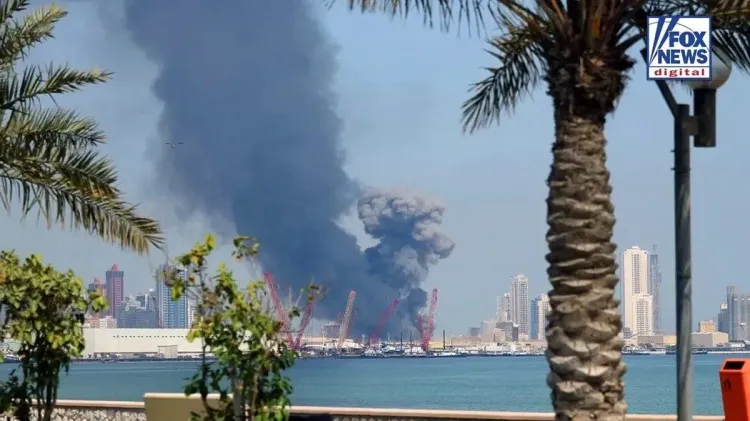
The decision came after Iran targeted all six GCC countries during the war that began in February 2026, according to The Times of Israel's report on the announcement.
Al Budaiwi condemned what he described as Iranian attacks and praised member states for coordinating their military responses and dealing jointly with the consequences. He said their response demonstrated Gulf solidarity and the principle that each country's security is tied to that of the bloc.
He commended GCC forces for their professionalism, courage and operational performance in confronting what he called Iranian aggression. He also said the six countries' armed forces shared responsibility for regional stability, national independence and readiness to meet existing and emerging threats.
Al Budaiwi honored service members killed while carrying out their duties, offered condolences to their families and wished the wounded a swift recovery. His condemnation of attacks on GCC states singled out those affecting civilian areas and critical infrastructure.
He separately denounced attacks attributed to the Houthi movement against Saudi Arabia, including incidents involving places considered sacred by Muslims.