Kuwait and Bahrain report Iranian drone interceptions after US strike
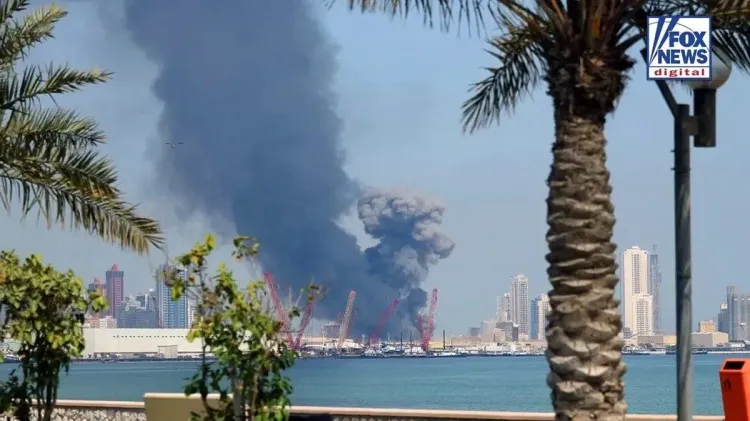
Kuwait and Bahrain reported intercepting Iranian drone attacks on November 18, a day after US forces struck an Islamic Revolutionary Guard Corps missile launch site on Qeshm Island in the Strait of Hormuz.
Key points
- Washington said its November 17 strike on Qeshm Island answered actions targeting American personnel and facilities in the region.
- Iran reported no damage to the residential areas, commercial facilities or infrastructure of Qeshm Island.
- Tehran warned of stronger retaliation against US forces and their allies if American attacks continued.
- US Central Command said Iranian one-way attack drones sent toward Bahrain on November 17 were intercepted, with no American injuries or equipment damage.
- Egypt, Qatar, Saudi Arabia and the United Arab Emirates condemned Iran's attack on Bahrain as a breach of its sovereignty, according to NPR.
Gulf states report new attacks
Bahrain said it had stopped several waves of Iranian attacks, while Kuwait's military described its air defenses as responding to drone threats.
Washington said its November 17 strike on Qeshm Island answered actions targeting American personnel and facilities in the region. Iran reported no damage to the island's residential areas, commercial facilities or infrastructure. Tehran also warned of stronger retaliation against US forces and their allies if American attacks continued.
The latest reports followed an Iranian drone attack on Bahrain on November 17. According to NPR and CBS News, that attack was Iran's third against US military targets in Bahrain in five days. The previous two targeted an American early warning radar facility on Friday and a radar system at a US helicopter base on Sunday.
US Central Command said the Iranian one-way attack drones sent toward Bahrain on November 17 were intercepted. No American personnel were injured and no US equipment was damaged, it said. The US military also reported that all its service members were safe and accounted for.
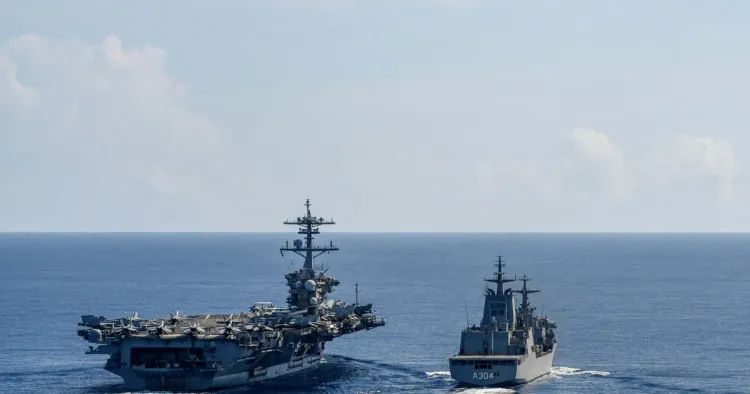
Bahrain houses the headquarters of the US Navy's Fifth Fleet, making it a recurring target in the confrontation. Egypt, Qatar, Saudi Arabia and the United Arab Emirates condemned Iran's attack on Bahrain as a breach of its sovereignty that threatened its security and stability, NPR reported.
Fighting and shipping through Hormuz
The November 17 exchanges broke a roughly two-month lull in fighting, according to NPR. The war, now in its eighth month, began with US-Israeli strikes on Iran on February 28, 2026.
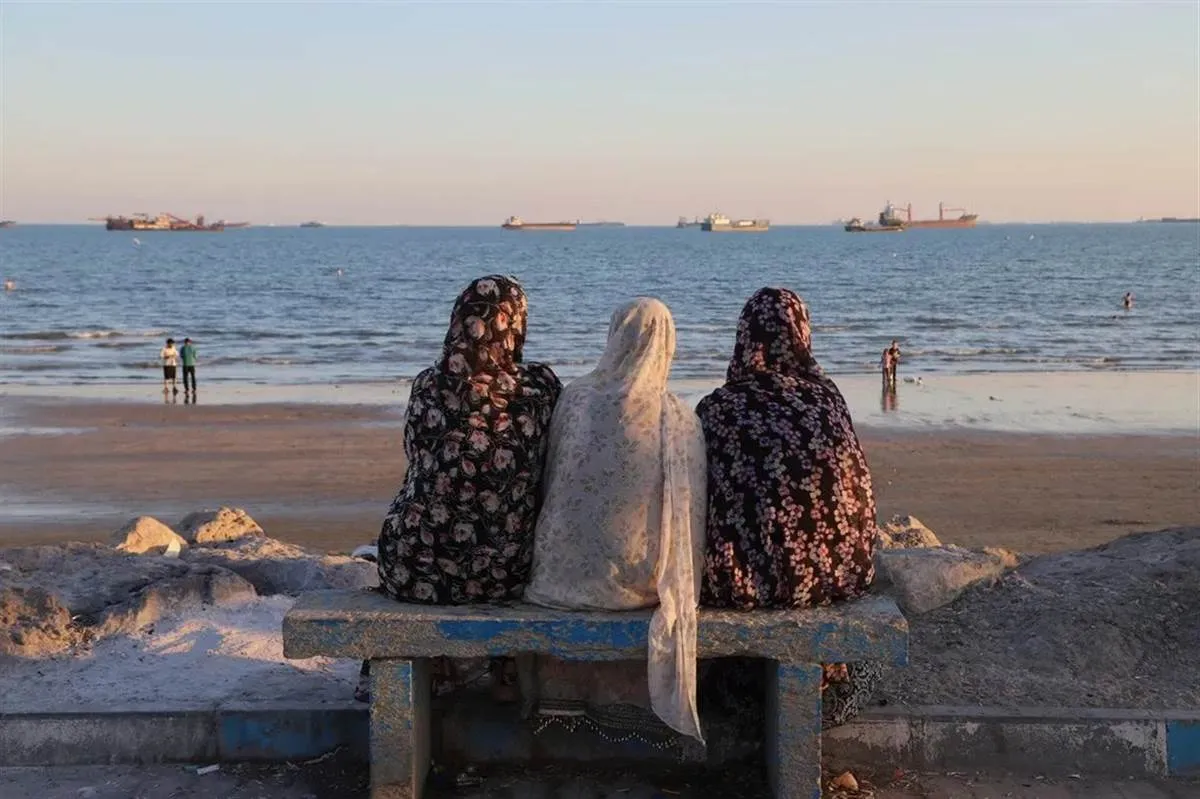
The Strait of Hormuz, a strategic route for global shipping, remains central to the confrontation. NPR reported that US forces have maintained a naval blockade of Iranian ports in and around the strait for months, while Iran has continued attacking vessels passing through it.
Tankers traveling with US military protection have helped bring Gulf oil shipments back to roughly prewar levels, according to NPR. Iraq has also resumed sending oil to Turkey by pipeline to bypass the disrupted waterway. CBS News reported an initial pipeline capacity of 120,000 barrels a day, with a gradual increase to 500,000 barrels a day planned.
Oil prices nevertheless remained about 40% above prewar levels. According to CBS News, Brent crude traded around $95.34 a barrel on November 16, 2026, compared with about $72 in late February before the US-Israeli strikes.
Mediation continues
Qatar and Oman kept up mediation contacts between Washington and Tehran alongside the military exchanges, Ariana News reported. Turkish Foreign Minister Hakan Fidan called for the Strait of Hormuz to reopen and for US-Iran negotiations to reach a swift conclusion.