Bahrain's Sitra Refinery Tops 80% Capacity After Iranian Strikes
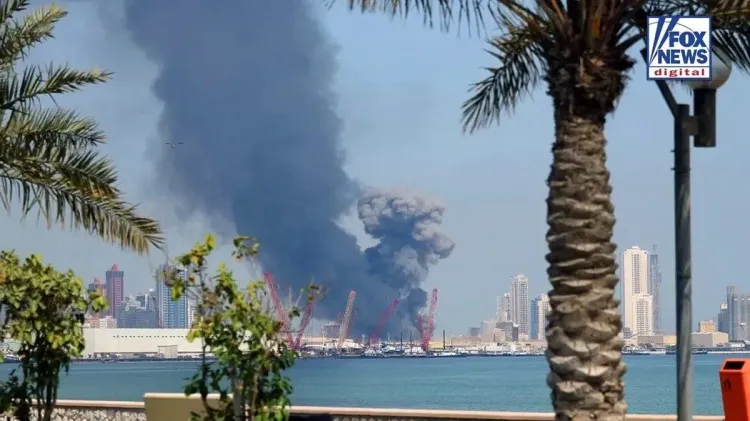
Bapco Energies expects Bahrain's Sitra refinery to reach full capacity by the end of 2026 after six Iranian strikes since the regional war began in late February. The plant is now running at more than 80% of its 415,000-barrel-per-day capacity, chief e...
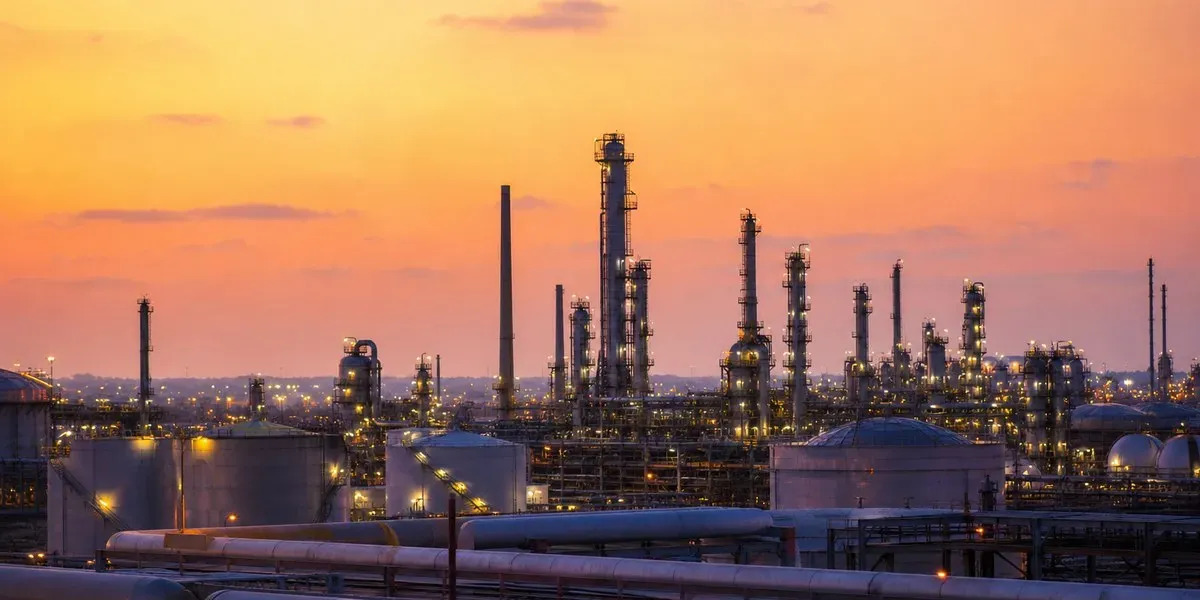
Key points
- Persian Gulf countries now take around 80% of Sitra's output, since damage to other refineries left the region short of fuel.
- Before the conflict roughly 85% of Sitra's output was exported through the Strait of Hormuz, and Bapco now supplies Qatar, the UAE, Iraq and Saudi Arabia.
- Oil distillate and liquefied petroleum gas still move through the Strait of Hormuz because they cannot be sold within Gulf countries.
- Thomas said freight rates have quadrupled and insurance alone costs $17 million for one vessel making the roughly eight-hour passage.
- The modernisation programme's timetable slipped repeatedly, with commissioning of final units pushed to end-2025 and possibly early 2026.
Final recovery work and regional fuel supplies
Thomas said the remaining recovery work involves bringing secondary processing units, including hydrocracking, online. Those units follow the startup of crude processing and distillation equipment as the refinery approaches its design capacity.
The war has also changed where Sitra's fuel goes. Persian Gulf countries now retain around 80% of its production as damage to other refineries has left the region short of fuel. Before the conflict, roughly 85% of Sitra's output went through the Strait of Hormuz for export. Bapco now supplies Qatar and the UAE with jet fuel, Iraq with diesel, and Saudi Arabia with fuel.
Not all products have regional buyers. Bapco still sends oil distillate and liquefied petroleum gas through the Strait of Hormuz because it cannot sell them in the Gulf countries. Thomas put freight rates at four times their previous level and said insurance alone costs $17 million for one vessel making the roughly eight-hour passage.
A refinery upgrade with a delayed timetable
Sitra is Bahrain's only oil refining asset, according to MEED. The refinery is about 90 years old, with some crude refining units within its boundaries dating back 75 years.
Bahrain's King Hamad Bin Isa Al-Khalifa inaugurated the estimated $7 billion Bapco Modernisation Programme (BMP) on December 18, 2024. MEED described the project's target as raising the country's crude refining capacity from 267,000 to 400,000 barrels per day.
The upgrade included a two-train residual hydrocracking unit capable of handling 65,000 barrels per day, with technology licensed from U.S.-based Chevron Lummus Global. MEED also reported that a new integrated crude and vacuum unit, rated at 225,000 barrels per day, replaced older crude and vacuum distillation units.
The project's schedule slipped repeatedly. MEED reported an original plan for mechanical completion in 2023 and the start of operations in 2024. Senior Bapco executives later put commissioning of the final upgrade units at the end of 2025, although MEES reported that continuing delays could push that milestone into early 2026.
Industrial demand and delayed LNG imports
Bahrain's plans to import liquefied natural gas have been delayed by the war. Strikes on Aluminium Bahrain, Gulf Petrochemical Industries Company and an iron producer sharply reduced demand. Bapco expects demand to recover to the levels envisaged in its pre-war plans in 2028 or 2029.
Nuclear studies and cooperation agreements
Bapco Energies is also preparing for the development of small modular nuclear reactors in Bahrain and is weighing whether to become the main investor and a potential operator.
The company's venture arm, BeVentures, is evaluating reactors intended primarily to power large industrial sites, including Aluminium Bahrain (Alba) and Bapco Refining, according to a MEED report cited by Oil & Gas News. The proposal aligns with Bahrain's goal of reaching net-zero emissions by 2060. BeVentures has approached Bechtel, Fluor, Kent, Technip Energies and Wood for concept studies, while Bapco Energies is considering private financing or equity partnerships.
Diplomatic preparations have advanced alongside those studies. The World Nuclear Association says a July 2025 U.S.-Bahrain memorandum on peaceful nuclear cooperation reversed Bahrain's decision to suspend its nuclear energy program after the 2011 Fukushima accident. Negotiating a civil nuclear cooperation pact known as a 123 agreement was identified as the next step.
Bahrain signed a separate memorandum with France in October 2026 covering peaceful nuclear energy uses, chiefly training and skills for a possible civil nuclear program, according to the World Nuclear Association.
Thomas told The National that the 123 agreement with the United States was in its final stage. He also said there would be no project facilities at the site by 2035.