Bahrain's Air Defense Response Anchors Op-Ed's Case for Integrated Security
The Bahrain Defence Force intercepted more than 96% of incoming missiles and drones during the late-February 2026 crisis, according to field estimates cited by retired Col. Dr. Khalid Mohammed Al-Qahtani. In a November 7 op-ed, he argues that the respo...
Key points
- Al-Qahtani attributes Bahrain's interception performance to a multilayered air-defense system covering different altitudes and ranges.
- The Ministry of Interior put emergency civil protection procedures into effect and secured affected areas, including Juffair.
- Authorities introduced remote work and distance learning to limit civilian exposure during the crisis.
- On July 2, Bahrain's foreign minister reported 808 attacks since February 28, including three civilian deaths and 465 injuries.
- Iranian strikes damaged the Sitra refinery and the Alba aluminum plant, and the refinery declared force majeure and stopped operating on March 9.
The February assault
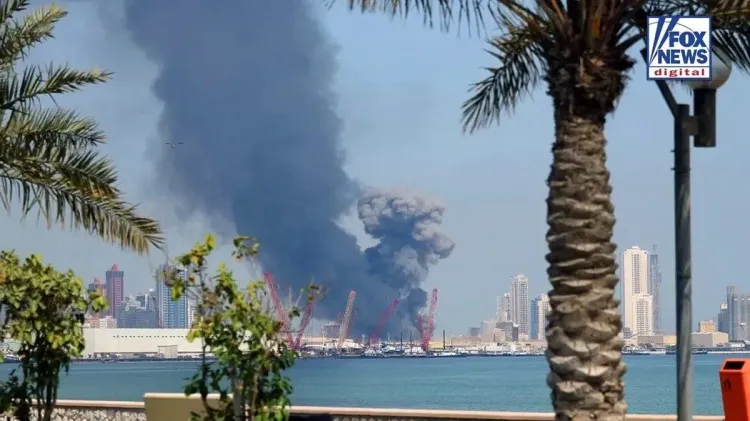
Iran began a large-scale aerial attack on Bahrain in the early hours of February 28, Al-Qahtani writes. The weapons included Shahab and Qader surface-to-surface ballistic missiles, cruise missiles launched from aircraft and ships, and swarms of Shahed-131 and Shahed-136 attack drones. Power facilities, military installations, residential areas and Bahrain International Airport appeared to be among the targets.
The Congressional Research Service places the assault within Iran's retaliation for joint U.S.-Israeli strikes launched against Iran that day under the U.S. Operation Epic Fury and Israel's Operation Roaring Lion. Iran attacked all six Gulf Cooperation Council states with missiles and drones immediately after those operations began, the report says.
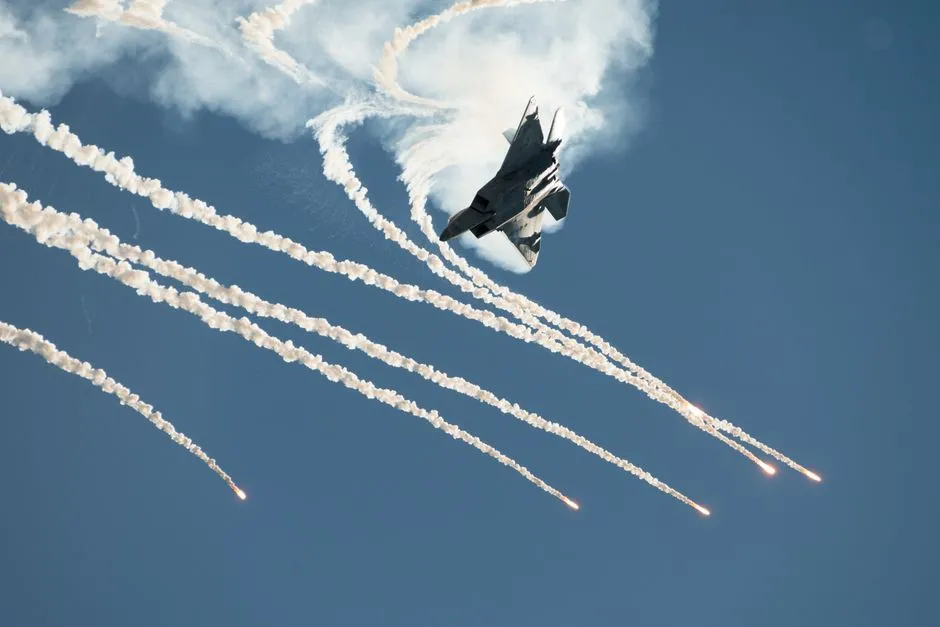
Al-Qahtani attributes Bahrain's interception performance to a multilayered air-defense system covering different altitudes and ranges. He cites General Command statements that every defensive system remained at maximum operational readiness throughout the crisis. The interception rate he reports is a field estimate for the late-February response, not a tally for the entire conflict.
Military defense and domestic protection
Al-Qahtani uses the name Security Sword Theory for a national defense model that joins military capability with institutional cooperation and social cohesion. In his analogy, the blade represents deterrence and the ability to defeat external threats; the guard represents the domestic security coordination and public solidarity needed to preserve stability.
The model assigns complementary roles to three institutions. The Bahrain Defence Force handles external defense and air-defense operations, the Ministry of Interior oversees civil protection and domestic security, and the Bahrain National Guard protects strategic infrastructure.
During the crisis, the Interior Ministry put emergency civil protection procedures into effect and secured affected areas, including Juffair, according to the op-ed. Authorities also introduced remote work and distance learning to limit civilian exposure. Before the escalation, the Foreign Ministry advised Bahraini citizens in Iran to leave.
Al-Qahtani also emphasizes the personnel behind the equipment. He describes air-defense crews sustaining continuous readiness through several days of defensive operations, arguing that advanced systems depend on disciplined, well-trained operators.
Public confidence as part of defense
The op-ed treats psychological and information operations as threats alongside missiles and drones. Al-Qahtani describes tactics that exaggerate destruction or casualties, depict institutions as incapable, reverse the roles of aggressor and victim, and overwhelm digital platforms with manipulated images and unverified claims.
He credits timely updates from the Defence Force and Interior Ministry with limiting rumors and maintaining confidence. Public awareness of misinformation and reliance on official communication channels also helped, he argues, while the attacks strengthened solidarity rather than dividing society.
His broader conclusion is that technology cannot secure a country on its own. In his account, Bahrain's response reflected a long-term effort to combine a modern military, coordinated institutions and a cohesive society, with public confidence serving as a defense against attempts to cause psychological disruption.
Civilian losses and infrastructure damage
Later accounts document the toll of the continuing attacks. On July 2, Foreign Minister Abdullatif bin Rashid al Zayani told the UN Security Council that Bahrain had faced 808 attacks since February 28: 203 ballistic missiles and 605 armed drones. He reported three civilian deaths and 465 injuries.
Iranian strikes damaged both the Sitra refinery and the Aluminum Bahrain, or Alba, plant, according to the Congressional Research Service. The report says Bahrain's major refinery declared force majeure and stopped operating on March 9. It also records Iranian attacks on desalination facilities in Bahrain and Kuwait following an Israeli attack on an Iranian desalination plant.
Across the GCC, Human Rights Watch reported on March 17 that Iranian attacks had killed at least 11 civilians and injured at least 268 people as of March 16. Citing GCC government sources, the organization said migrant workers accounted for most victims.
The wider conflict and regional response
The Congressional Research Service, citing Gulf Research Center data, reports that Iran launched more than 6,700 missiles and drones at GCC states between February 28 and May 17. That total excludes weapons fired at other countries hosting U.S. forces.
Regional interception figures cover a different scope from the estimate in Al-Qahtani's op-ed. According to U.S. Central Command, as cited by the Congressional Research Service, the combined U.S. and partner-nation air-defense architecture intercepted over 6,000 one-way attack drones and more than 1,500 ballistic missiles during the conflict. Those weapons were aimed at U.S. forces, Israel and Arab partners; the figures are not specific to Bahrain.
The UN Security Council adopted resolution 2817 (2026), condemning Iran's attacks on neighboring Gulf states. UN meeting coverage says 136 member states supported the resolution.
In a July 24 report, The Wall Street Journal said Bahrain and Kuwait had struck military targets inside Iran that month with air and intelligence support from the United Arab Emirates, describing the action as a rare Gulf retaliation.