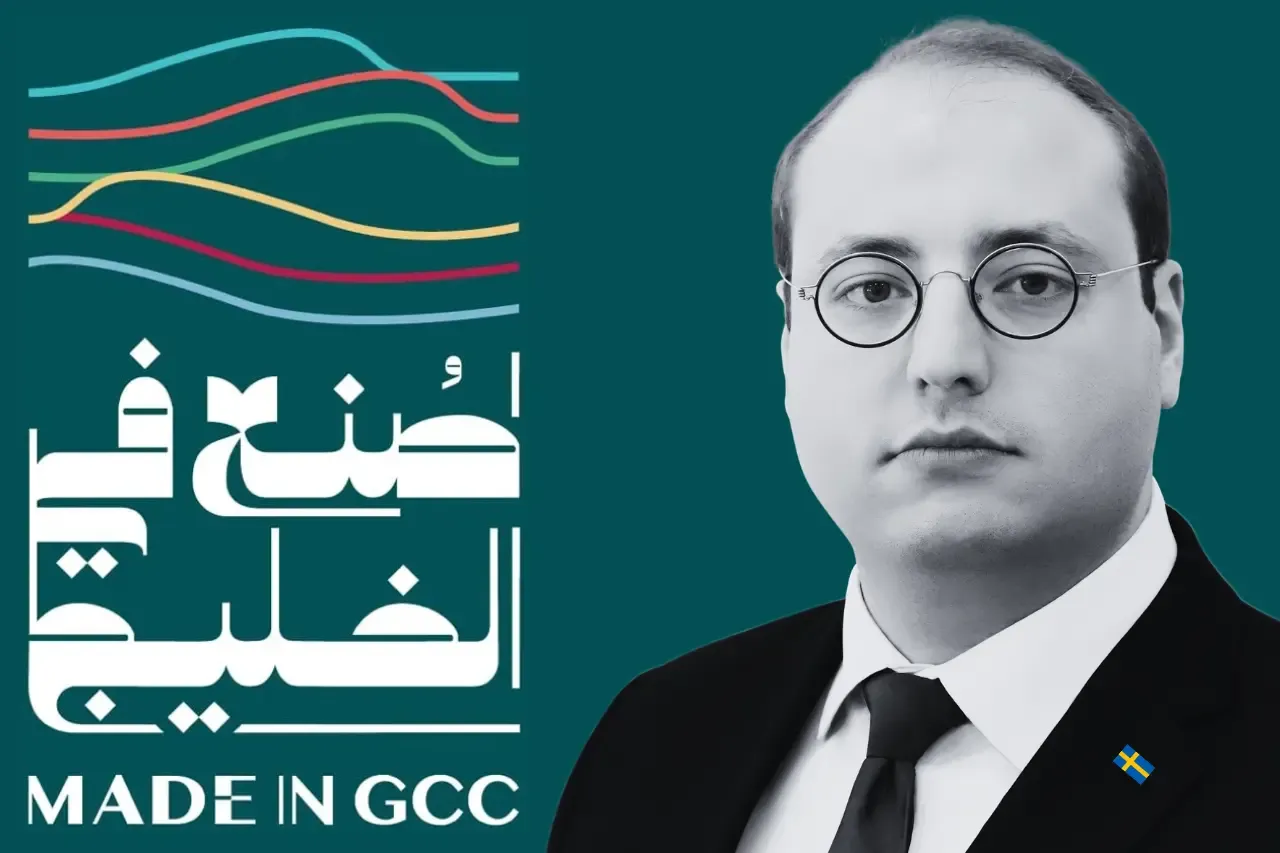
Alex Matrsson Sees Made in GCC as a Platform for Closer Gulf Industrial Ties
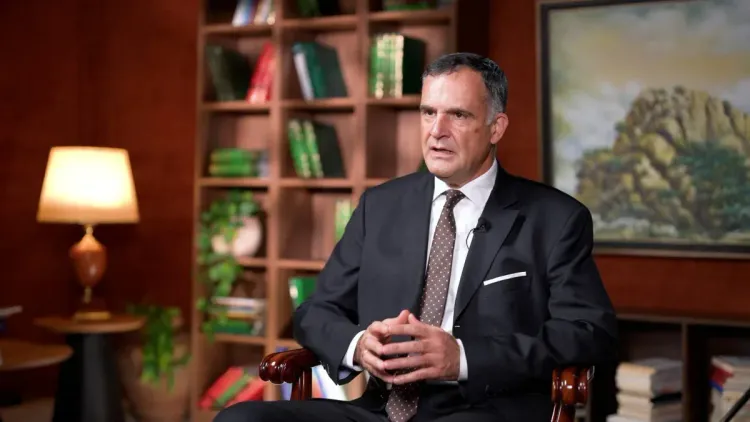
Made in GCC 2026 offers Gulf manufacturers a way to connect their production capabilities with investors, technology providers and international markets, Swedish business strategist Alex Matrsson told UzDaily.uz. His assessment centers on whether those...
Key points
- The forum was scheduled for October 6-8, 2026, at Exhibition World Bahrain in Sakhir, under King Hamad's patronage.
- Oil & Gas News reported more than 10,500 registrations and over 120 exhibitors occupying more than 20,000 square meters.
- Oman's Reem Batteries & Power Appliances signed a memorandum of understanding with Bahrain's UCA for annual supplies of 18,000 batteries.
- GCC Secretary-General Jasem Mohamed Albudaiwi said the Industrial Cooperation Committee identified 20 joint Gulf industrial investment opportunities, with five completed in the first phase.
- Albudaiwi cited more than 22,000 GCC factories employing over 1.7 million people, with manufacturing accounting for 13% of GCC GDP.
A regional forum with commercial aims
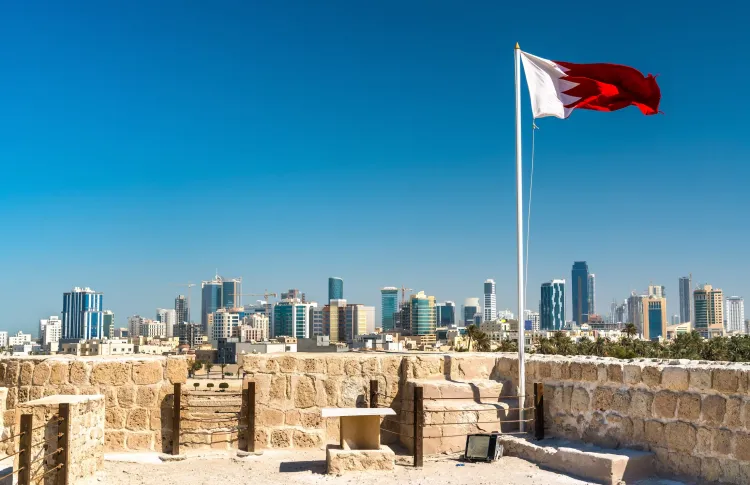
The inaugural Made in GCC Forum and Exhibition was scheduled for October 6-8, 2026, at Exhibition World Bahrain in Sakhir, under the patronage of Bahrain's King Hamad bin Isa Al Khalifa. Bahrain's Ministry of Industry and Commerce and the Gulf Cooperation Council General Secretariat brought together the initiative, linking its business program to the region's industrial policy agenda.
Oil & Gas News reported more than 10,500 registrations and over 120 exhibitors occupying more than 20,000 square meters. The program included eight main sessions with more than 30 speakers and experts, alongside business meetings and industrial partnership announcements.
One announced agreement illustrates the type of cross-border business Matrsson considers important. Oman's Reem Batteries & Power Appliances signed a memorandum of understanding with Bahrain's UCA covering annual supplies of 18,000 batteries to Bahrain. OGN put the estimated annual value at $1 million.
For Matrsson, the forum's value lies in giving government officials, manufacturers, investors and technology providers a place to turn regional strategy into commercial relationships. He views it as a practical contribution to the GCC's ambition for a more integrated and competitive industrial economy.
The policy framework behind the gathering
Matrsson links the forum's institutional significance to its timing alongside meetings of the GCC Industrial Cooperation Committee and GCC Commercial Cooperation Committee. Bahrain chaired the meetings under Industry and Commerce Minister Abdulla bin Adel Fakhro. The participation of GCC Secretary-General Jasem Mohamed Albudaiwi, he said, further connected the gathering to the region's economic cooperation agenda.
At the October 6 opening, Albudaiwi outlined earlier policy work by the Industrial Cooperation Committee, according to the GCC General Secretariat. He cited the harmonization of key industrial laws, adoption of the GCC Industrial Strategy 2022–2030, support for national products and collective protection for Gulf industries.
Albudaiwi also described a project to identify 20 joint Gulf industrial investment opportunities. Five had been completed in its first phase and approved by the committee.
Matrsson regards Bahrain's hosting role and Fakhro's leadership as support for an agenda built around investment, innovation, advanced technology and industrial partnerships. He also sees potential in the "Made in GCC" identity to improve recognition of Gulf products abroad while encouraging progress on quality, standards and market access.
The scale and range of Gulf industry
The event's published figures provide the economic backdrop to Matrsson's assessment: 21,969 firms, investment totaling 426.07 billion, a workforce of 1,768,344 and a population of 63.39 million. They also list imports of 807.96 billion, exports of 423.93 billion, a trade balance of -384.03 billion and GDP of 2,323.58 billion.
Separately, Albudaiwi said at the opening that GCC countries had more than 22,000 factories employing over 1.7 million people. Manufacturing accounted for 13% of GCC GDP, according to his remarks. Matrsson's assessment identifies manufacturing as the region's second-largest GDP contributor after mining and oil, giving it a central place in economic diversification.
Albudaiwi also cited UNIDO's 2025 Competitive Industrial Performance index. The UAE placed 32nd globally, followed by Saudi Arabia at 34th, Qatar at 48th, Kuwait at 53rd, Oman at 58th and Bahrain at 63rd. Together, GCC countries held six of the Arab world's top seven positions.
The production base extends from aluminum, steel and other metals to petrochemicals, polymers, fertilizers and ammonia. It also encompasses cement and building materials, cables and wires, dairy and other food products, automotive manufacturing, pharmaceuticals and renewable energy. Machinery and equipment, plastics and packaging, electronics and technology, and logistics and supply chains add further capabilities.
Matrsson argues that stronger links among these industries could help Gulf producers retain more value within the region and reach additional markets. In his view, the opportunity is not simply to expand individual sectors, but to build stronger supplier and customer relationships between them.
Technology needs financing and skilled workers
Matrsson's assessment places the conditions around manufacturing alongside factory capacity itself. Resilient supply chains support access to global markets, while infrastructure, industrial financing, workforce development and greener, smarter production affect a company's ability to expand.
He sees Industry 4.0, artificial intelligence, automation and digitalization as ways to improve productivity, factory operations and the speed at which supply chains respond. Those gains, he cautions, depend on incorporating technology into business operations with defined objectives, suitable investment and effective implementation.
Financing must also support the move from a manufacturing concept or industrial technology to commercial-scale production, in his view. Engineers, technicians, managers and other specialists are equally important because their skills determine how well advanced systems function and adapt.
Matrsson connects environmental performance to business conditions as well. He notes that sustainability expectations increasingly shape investment choices, purchasing requirements and access to overseas markets.
From introductions to industrial partnerships
The exhibition's investment platforms and business-to-business meetings provide a route for Gulf-made products, industrial solutions and advanced technologies to reach buyers and prospective partners. Matrsson judges their value by what follows: investment, export sales, distribution arrangements, technology cooperation or sustained supply contracts.
He also sees a role for exchanging practical industrial experience. Companies can learn from one another's operations, while policymakers and investors gain a better understanding of commercial constraints. Public-private partnerships could help turn that knowledge into industrial projects.
Although GCC members have different industrial strengths and economic priorities, Matrsson believes closer cooperation in logistics, capital, technology and knowledge can create opportunities across national borders. Direct discussions among manufacturers, officials, investors and technology providers can help align financing, infrastructure, skills, standards and markets.
In Matrsson's assessment, the initiative's lasting impact will depend on the investments, technology adoption and industrial relationships that continue to develop after the exhibition.