Iran Says It Targeted US Patriot Systems in Kuwait; Bahrain Reports Interceptions
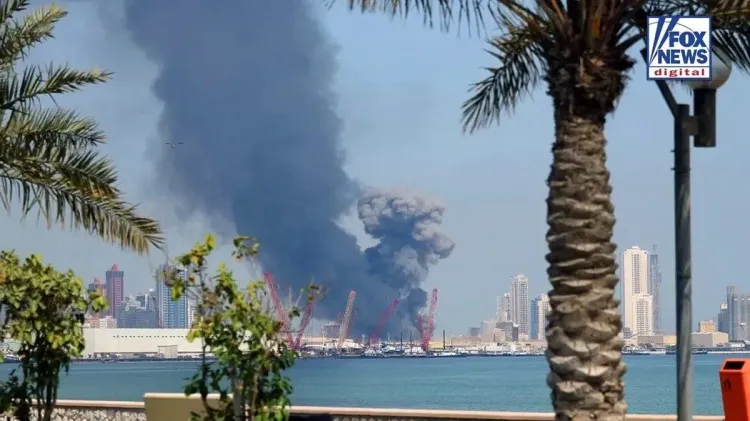
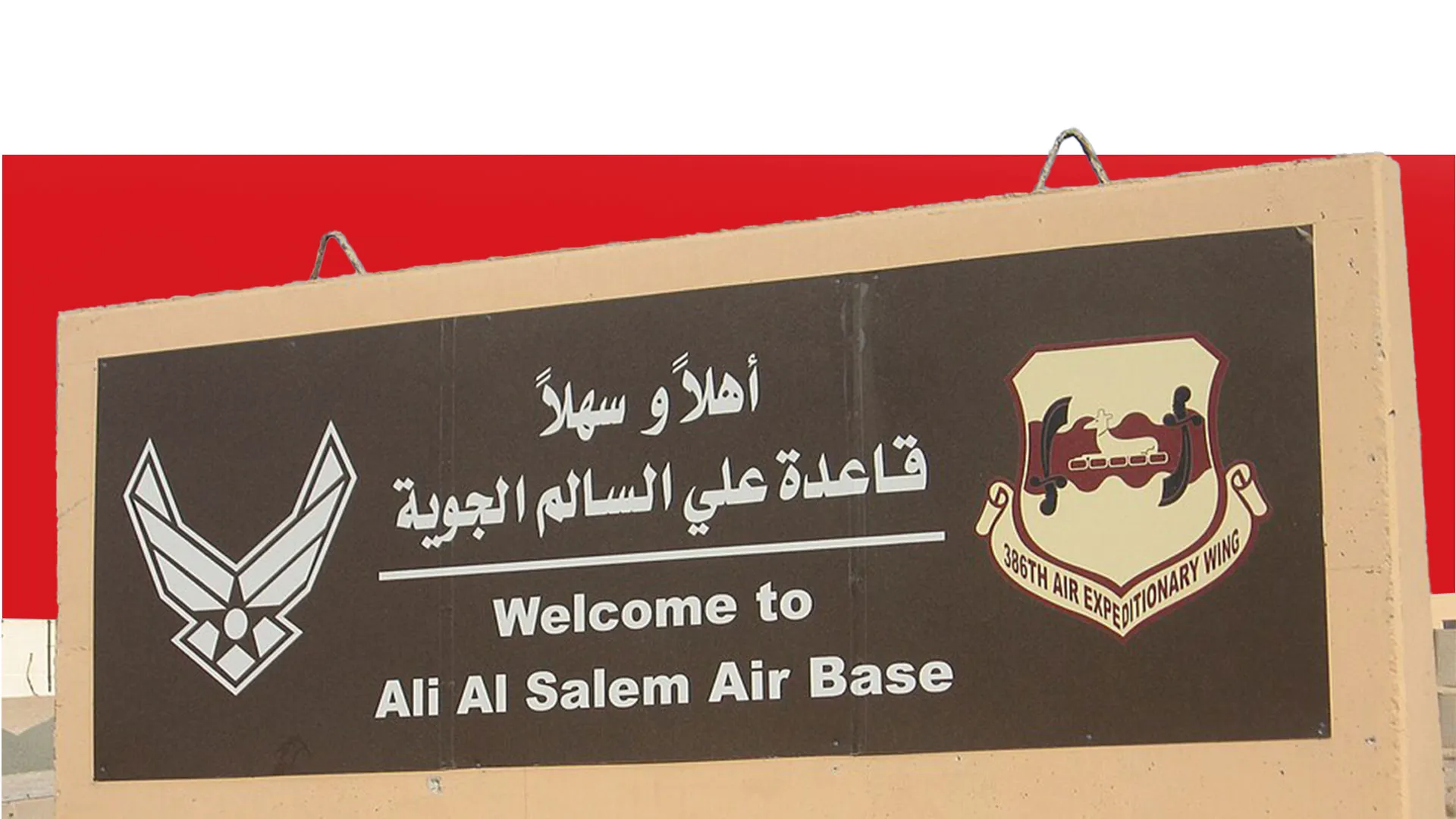
Iran's Revolutionary Guards claimed a drone attack on US air defenses at Kuwait's Ali Al Salem air base early Wednesday, without providing evidence of damage. Kuwait reported intercepting hostile drones but did not identify their origin or target, whil...
Key points
- The Islamic Revolutionary Guard Corps said it used combat and kamikaze drones against Patriot systems at Ali Al Salem air base.
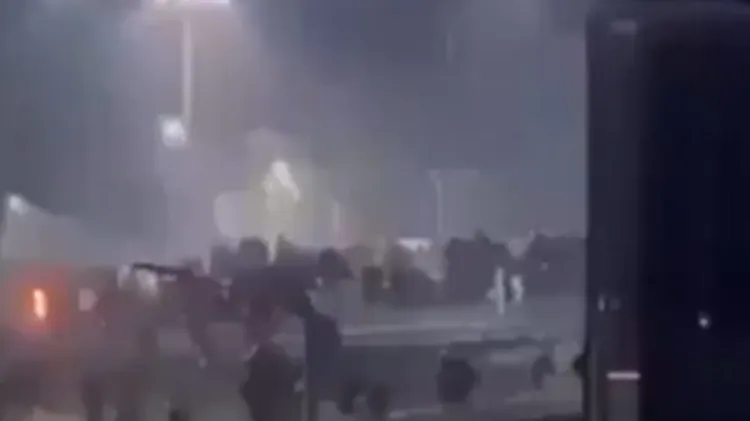
- Kuwait's army attributed explosions heard by residents to air defense interceptions and urged people to follow safety instructions.
- Bahrain's Defense Force said it intercepted several Iranian air attacks on Wednesday, calling them part of a systematic campaign against the kingdom.
- On Tuesday, the Revolutionary Guards said they sent drones against a US radar at Bahrain's Sheikh Isa air base, which US Central Command said were intercepted.
- US jets reportedly struck a Guards missile launch site on Qeshm Island on Tuesday, which a US military official described as self-defense.
Air defense responses in Kuwait and Bahrain
The Islamic Revolutionary Guard Corps, or IRGC, said in a statement carried by Iranian state media that it used combat and kamikaze drones against Patriot systems and platforms for launching drones and missiles at Ali Al Salem. The statement characterized the base as an important air transport hub through which US forces enter the region.
Kuwait's army attributed explosions heard by residents to air defense interceptions and asked people to follow safety instructions. Its account named neither Ali Al Salem nor the attacker.
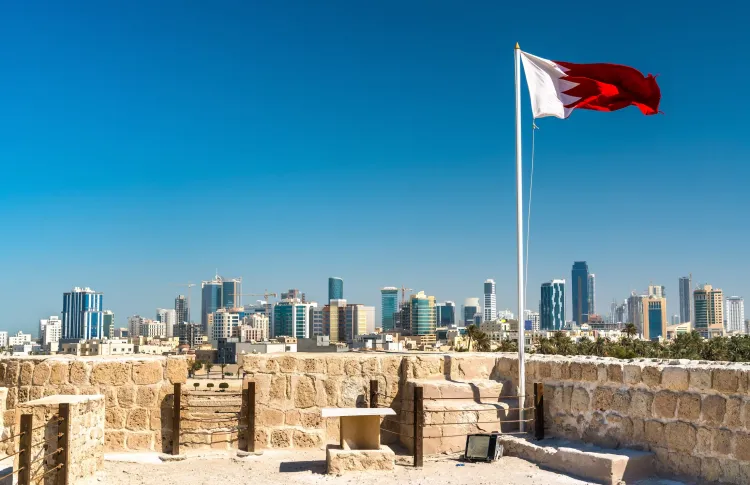
In Bahrain, the Defense Force said it had intercepted several Iranian air attacks on Wednesday, describing them as a continuation of a systematic campaign against the kingdom. Bahraini authorities also issued an all-clear.
The Iranian statement warned that a response to any threat or aggression would be "decisive, crushing and without geographical limitations."
Tuesday's attack and US response
A day earlier, the Revolutionary Guards said they had sent drones against a US radar at Bahrain's Sheikh Isa air base. They described the operation as retaliation for alleged US drone incursions into Iranian airspace. US Central Command said the drones were intercepted and reported neither damage nor injuries.
US jets subsequently attacked a Guards missile launch site on Qeshm Island on Tuesday, according to a US military official, who described the strike as self-defense. An Iranian provincial official said residential and commercial areas, as well as vital infrastructure, suffered no damage.
Bahrain houses the headquarters of the US Navy's Fifth Fleet, making it a recurring target in exchanges between Iran and the United States. Iran had also claimed attacks on the kingdom on Friday and Sunday.
Reuters reported that the November 17 attack came after Bahrain sentenced 64 people, most of them Shi'ite clerics, to life imprisonment on charges of colluding with Iran to undermine the state. Iran's foreign ministry rejected the ruling as baseless.
Pressure for Security Council measures
The Arab Parliament urged the UN Security Council to go beyond condemnation and adopt firm measures to deter further attacks. Condemning the renewed Iranian attacks on Bahrain in the strongest terms, it identified Tuesday's attack as the latest and held Iran fully responsible.
The parliament described the attacks as a dangerous effort to undermine regional security and a challenge to Security Council Resolution 2817. It said Bahrain's security was inseparable from Arab national security and warned against interpreting Arab restraint as weakness. The Gulf Cooperation Council also condemned the attacks and called for council action.
Adopted on March 11, 2026, Resolution 2817 condemned Iran's attacks on Bahrain, Kuwait, Oman, Qatar, Saudi Arabia, the United Arab Emirates and Jordan in the strongest terms. The vote was 13-0, with China and Russia abstaining.
Bahrain drafted and led the resolution on behalf of GCC members and Jordan. It attracted formal co-sponsorship from 135 UN member states, which Bahrain's UN mission described as the broadest support from member states for any Security Council resolution in the organization's history.
Stalled talks and disrupted energy supplies
Negotiations to end the war remain deadlocked. The conflict began on February 28, 2026, with US and Israeli airstrikes on Iran. By mid-November, nearly nine months of fighting had destabilized the Middle East and driven up global energy prices.
One obstacle in the negotiations is the US naval blockade of Iran. As of mid-November, President Donald Trump said he would keep it in place because Iran continued to disrupt shipping through the Strait of Hormuz.
Before the war, the strait carried roughly one-fifth of the world's oil and liquefied natural gas supplies. Reuters reported in November that Iran was partly blocking the waterway.
On November 17, benchmark Brent crude futures rose 0.4% to $92.76 a barrel, according to Reuters. Prices remained above prewar levels but below the wartime high of $126.41 reached in April.