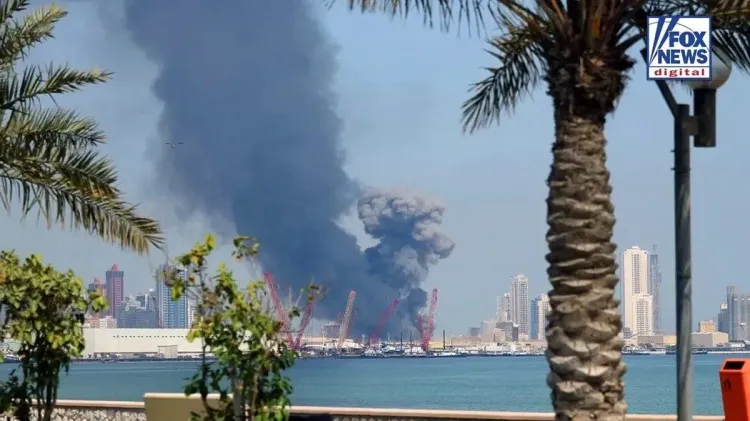
Kuwait Says Air Defenses Are Responding to Hostile Drone Attacks
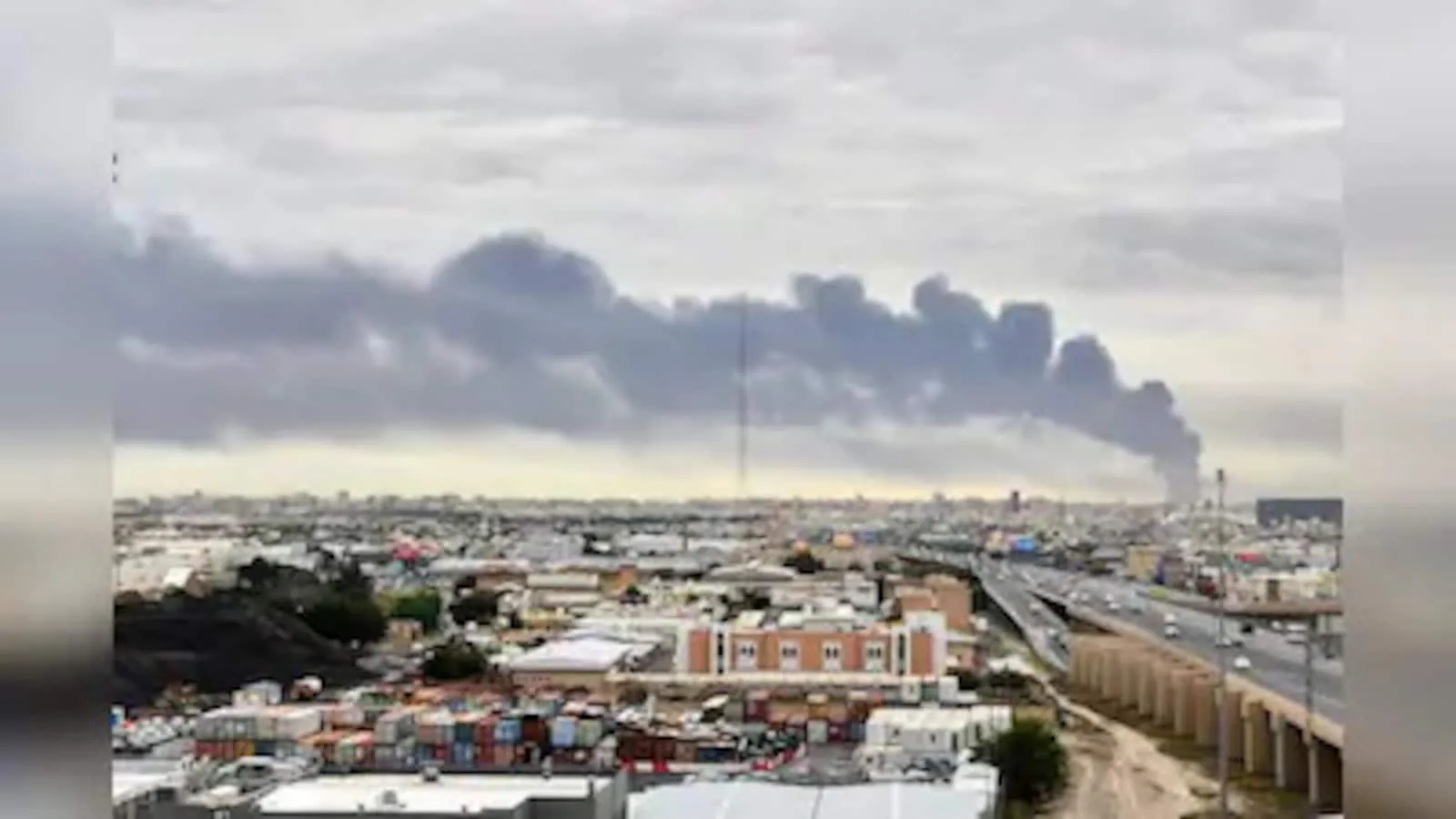
Kuwait's military said it was intercepting hostile drones and advised residents that any explosions they heard would be caused by air-defense operations. It urged the public to follow safety instructions from the authorities.
Key points
- Kuwait's General Staff announced the air-defense response in a statement posted on November 17.
- Kuwait has issued similar air-defense notices many times in 2026, according to Gulf News.
- Arab News named Kuwait International Airport, oil refineries and the Shuaiba power and desalination plant among targets of Iranian attacks.
- Gulf Cooperation Council defense ministers approved an advanced command for the Unified Military Command in Kuwait the previous week.
- Kuwait's Foreign Ministry condemned the Iranian attacks on Bahrain, citing UN Security Council Resolution 2817, adopted March 11, 2026.
Military warning follows repeated attacks
The General Staff of the Kuwaiti Armed Forces announced the response in a statement posted November 17, as the region faced heightened concern over hostile aerial attacks.
Kuwait, which hosts US forces, has issued similar air-defense notices many times in 2026, according to Gulf News. The outlet reported that Iran has repeatedly attacked facilities in the country during the conflict.
Arab News identified Kuwait International Airport, oil refineries and the Shuaiba power and desalination plant among the targets of Iranian missile and drone attacks during the war launched by the US and Israel against Iran.
The previous week, defense ministers from the Gulf Cooperation Council approved establishing an advanced command for the Unified Military Command in Kuwait and assigned forces to it, Arab News reported.
Bahrain attack draws Kuwaiti condemnation
The drone threats in Kuwait came amid military exchanges nearby. According to Gulf News, the IRGC said Tuesday that it had sent drones against a US radar installation at Bahrain's Sheikh Isa Air Base. Bahrain reported intercepting the attack, with no casualties or damage reported.
The US subsequently attacked an IRGC missile launch site on Iran's Qeshm Island. It described the strike as an act of self-defense, Gulf News reported.
Kuwait's Foreign Ministry separately condemned the continuing Iranian attacks on Bahrain in a Tuesday statement. According to Kuwait Times, the ministry said the latest assault flagrantly violated Bahrain's sovereignty and territorial safety, as well as international law, the UN Charter and UN Security Council Resolution 2817.
The ministry characterized the attacks as a dangerous escalation threatening regional security and stability. It reiterated Kuwait's unequivocal rejection of them, affirmed full solidarity with Bahrain and backed all measures the kingdom takes to defend its sovereignty, security and stability, Kuwait Times reported.
Resolution 2817, cited by the ministry, was adopted on March 11, 2026. According to Security Council Report, Bahrain drafted it on behalf of GCC members and Jordan, with 136 member states joining as co-sponsors. The vote was 13 in favor, with China and Russia abstaining.
The resolution condemned Iran's attacks and called for them to stop immediately. It also condemned Iranian actions or threats aimed at obstructing international shipping through the Strait of Hormuz or threatening maritime security in the Bab al-Mandab Strait, Security Council Report said.
How the regional conflict began
Security Council Report dates the start of the conflict to February 28, 2026, when Israel and the US attacked Iran's nuclear sites, military facilities and political leadership.
Iran retaliated against US military assets and other targets across Bahrain, Kuwait, Oman, Qatar, Saudi Arabia, the United Arab Emirates and Jordan, according to the report. It also took steps to effectively close the Strait of Hormuz, which carried 20 percent of the world's oil supply before the conflict.