Rubio Condemns Iranian Drone Attacks, Reaffirms US Support for Bahrain
Secretary of State Marco Rubio condemned Iranian drone attacks on Bahrain during a call with Foreign Minister Abdullatif bin Rashid Al Zayani, assuring him of continued US support for Bahrain's security and that of Washington's other Gulf allies, the S...
Key points
- Bahrain's Foreign Ministry said air defenses destroyed Iranian drones over the country and held Iran responsible.
- US Central Command said American forces intercepted two Iranian IRGC drones launched toward Bahrain on November 13.
- No one was injured and no damage was reported from the interception, according to US Central Command.
- The IRGC claimed its drones struck a US radar in Bahrain, a claim Central Command rejected as inaccurate.
- Bahrain hosts the US Navy's Fifth Fleet and other major American military facilities, making it a key Gulf hub.
Drone interceptions and a disputed radar strike
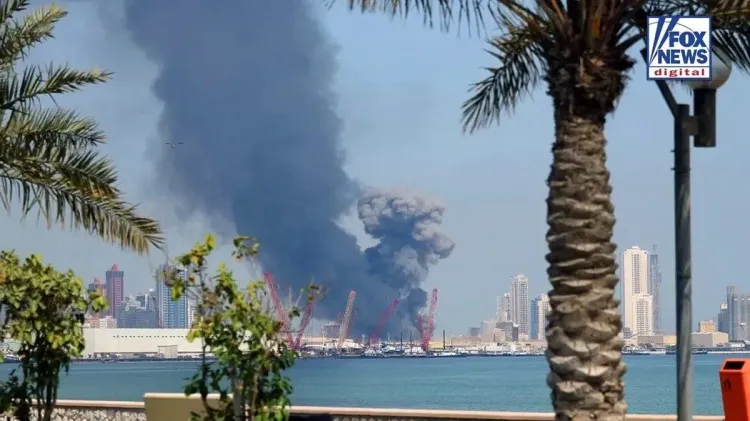
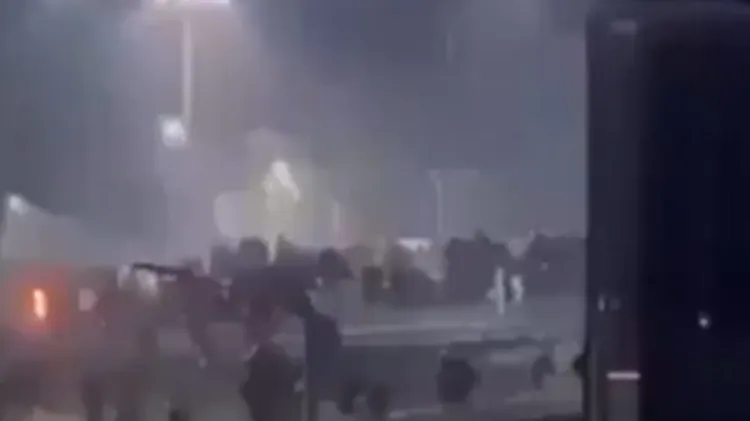
Bahrain's Foreign Ministry reported that air defenses destroyed Iranian drones over the country after a similar incident two days earlier. The ministry said the attacks violated Bahrain's sovereignty and territorial integrity and held Iran responsible for both the attacks and any repercussions.
US Central Command (CENTCOM) separately reported that American forces intercepted two drones Iran's Islamic Revolutionary Guard Corps (IRGC) launched toward Bahrain on November 13. No one was injured, and no damage was reported.
The IRGC claimed its drones had struck a US radar system in Bahrain, described in reporting as either an early-warning radar or a radar at a US helicopter base. CENTCOM rejected that account, saying the interception left US equipment undamaged and personnel unharmed.
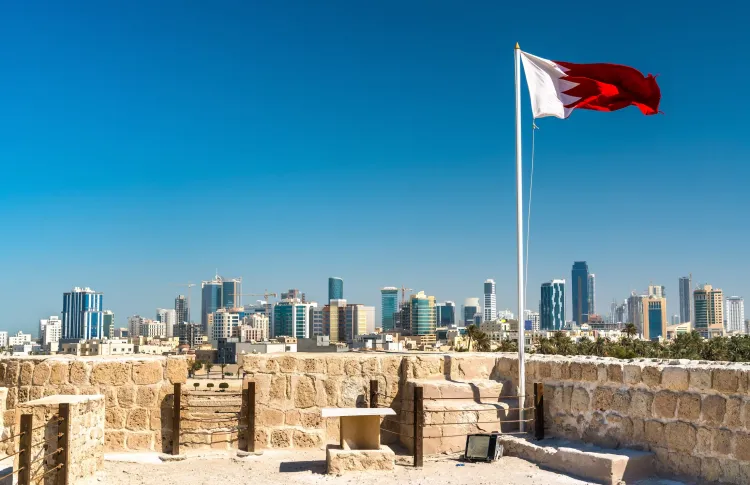
Bahrain hosts the US Navy's Fifth Fleet and other major American military facilities, making it a key US military hub in the Gulf, according to CNN and Al Jazeera.
Security ties and an embassy warning
Rubio and Al Zayani's discussion also covered the countries' strategic partnership, including Bahrain's Major Non-NATO Ally status and the Comprehensive Security Integration and Prosperity Agreement (C-SIPA). The agreement was signed in Washington on September 13, 2023, and took effect on October 20 that year, according to the State Department's Office of Treaty Affairs.
On November 15, 2026, the US Embassy in Bahrain urged Americans to exercise "heightened vigilance." The embassy cited a growing threat of attacks by Iran-backed Houthis, along with Iranian efforts to target US officials and government facilities in the region.
The embassy said it remained open but cautioned that flights could be canceled and airspace could close.
Regional war and Gulf military response
CNN and Al Jazeera placed the attacks in the wider, nine-month US-Israel war on Iran, which began on February 28, 2026. Their November 15–16 reporting said Iran had repeatedly attacked US bases in Gulf states in retaliation for American strikes.
The Gulf Cooperation Council also announced the establishment of an advanced headquarters for its unified military command in Kuwait and the deployment of forces there, CNN reported. GCC Secretary General Jasem Mohamed Al Budaiwi said the move demonstrated "a firm Gulf commitment to safeguarding the security and sovereignty of the GCC states" following "heinous Iranian attacks."
Oil traffic through the Strait of Hormuz
US forces also help protect shipping routes, including the Strait of Hormuz, which carries billions of barrels of crude oil each year.
CNN reported that Iran was struggling to prevent more Gulf oil and gas from passing through the strait. According to International Energy Agency figures cited by CNN, Gulf oil exports excluding Oman reached 18.4 million barrels a day in October 2026, still about 26% below prewar levels.