Saudi Defense Minister Reaches Bahrain to Lead Delegation at GCC Defense Meeting
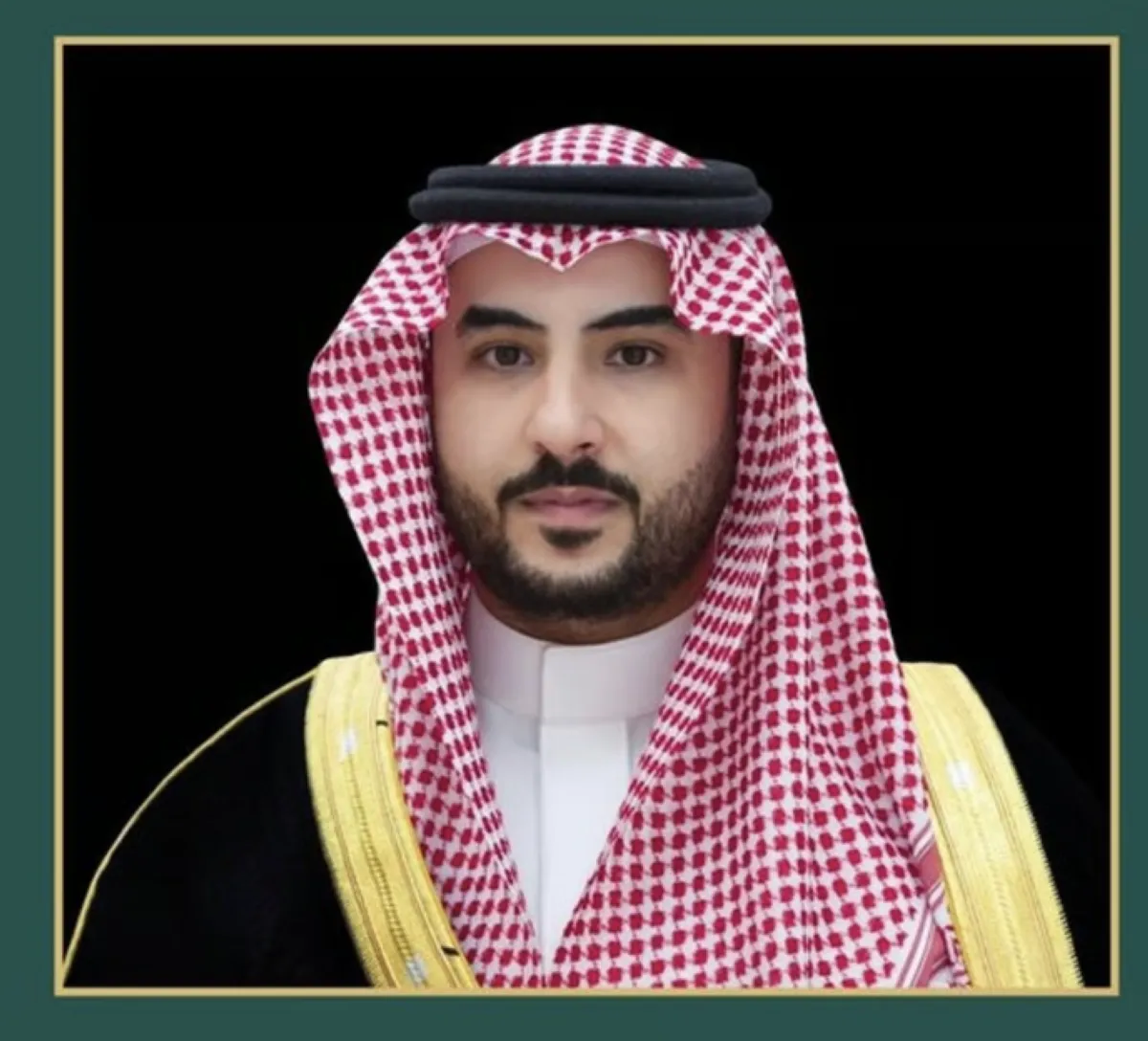
Prince Khalid bin Salman, Saudi Arabia's defense minister, arrived in Bahrain on Tuesday, November 10, for the Gulf Cooperation Council's 23rd Joint Defense Council session. He will head the Saudi delegation.
Key points
- Bahrain's defense affairs minister, Lieutenant General Abdullah bin Hassan Al Nuaimi, welcomed Prince Khalid at Bahrain International Airport, according to Saudi Gazette.
- The council includes the defense ministers of the GCC's six member states and coordinates their collective security measures and responses to regional threats, per bne IntelliNews.
- The council's mandate rests on the GCC Joint Defense Agreement, which treats an attack on any member as an attack on all.
- In 2013 the GCC announced plans for a Unified Military Command based in Saudi Arabia and operating under the council, per Arab Center Washington DC.
- After Israel's attack on Qatar, a Doha extraordinary session on September 18, 2025 approved measures on intelligence sharing and a missile early warning system.
Reception and the council's role
Bahrain's minister of defense affairs, Lieutenant General Abdullah bin Hassan Al Nuaimi, welcomed Prince Khalid at Bahrain International Airport, Saudi Gazette reported.
The council comprises the defense ministers of the GCC's six member states. It coordinates their collective security measures and responses to regional threats, according to bne IntelliNews.
Its mandate rests on the GCC Joint Defense Agreement, which requires a joint response by treating an attack against any member as an attack against all. Arab Center Washington DC traces both the agreement and the council's creation to the 2000 summit; the collective-defense provision appears in Article II of the agreement.
In 2013, the GCC announced plans to establish a Unified Military Command based in Saudi Arabia and operating under the council, according to Arab Center Washington DC.
Earlier decisions on joint defense
Ballistic missile early warning and military coordination featured in decisions adopted at an extraordinary session in Doha on September 18, 2025, after Israel's attack on Qatar. That session brought together the Joint Defense Council and the Supreme Military Committee. An analysis by Arab Center Washington DC noted that Prince Khalid and his Omani counterpart did not attend.
According to bne IntelliNews, the approved measures called for greater intelligence sharing through the Unified Military Command and for all GCC operations centers to receive the air situation picture. The council also agreed to speed up the joint Gulf task force's work on a ballistic missile early warning system and update joint defense plans.
The package called for joint air-defense exercises within three months of the Doha session, with a live joint air exercise to follow.
GCC leaders returned to military integration at their 19th Consultative Meeting in Jeddah in April 2026. According to GCC Secretary-General Jasem Mohamed Albudaiwi, they instructed member states to step up that integration and accelerate completion of the ballistic missile early warning system.