Iran sets seven conditions for talks on nuclear proposal sent through Qatar
Tehran is demanding US concessions before it will negotiate over a nuclear proposal delivered through Qatar. Washington is reviewing the offer, a senior Iranian official told Reuters, as attacks on Gulf shipping and renewed fighting in Yemen add to reg...
Key points
- Iran's deputy security chief Ali Bagheri Kani rejected reliance on paper commitments and demanded practical US steps first.
- Iranian security official Mohsen Rezaei tied both negotiations and reopening the Strait of Hormuz to fulfilling Iran's seven conditions.
- An explosion aboard the Marshall Islands-flagged tanker MT Velos Sapphire killed one seafarer while the ship was headed toward Bahrain.
- The Islamic Revolutionary Guard Corps declared the Strait of Hormuz unsafe and closed to ships not coordinating with Tehran, claims not confirmed by maritime authorities.
- Yemen's renewed fighting has displaced 290,000 people, according to a UN report cited in the article, as the government offensive continues with Saudi-led air support.
Tehran seeks action before negotiations
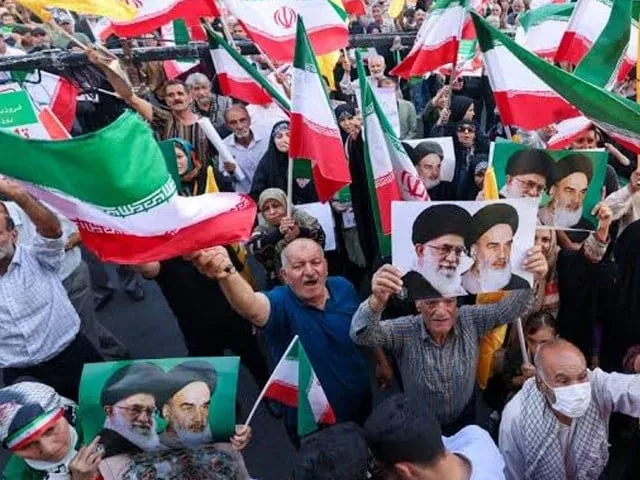
The Iranian official said Thursday that discussions on the proposal could begin only after Washington addressed Tehran's seven conditions. Those demands include US sanctions relief, access to frozen Iranian assets and war reparations.
A November 6, 2026, operational report from GlobalSecurity.org described the demands as also covering compensation for war damage, removal of the naval blockade and a smaller US military presence. Tehran also reportedly wants hostilities to end across the region, including in Lebanon and Gaza, and seeks a permanent end to the war, not a temporary ceasefire.
Iranian deputy security chief Ali Bagheri Kani rejected reliance on "paper commitments," saying the United States needed to take practical steps before diplomacy could resume. Senior security official Mohsen Rezaei also tied both negotiations and the reopening of the Strait of Hormuz to fulfillment of Iran's seven conditions.
Qatar's mediation efforts continued Friday, November 6, when Emir Sheikh Tamim bin Hamad Al Thani spoke by phone with US President Donald Trump about easing regional tensions, according to a Qatari statement reported by Reuters.
Fatal tanker explosion and warnings over Hormuz
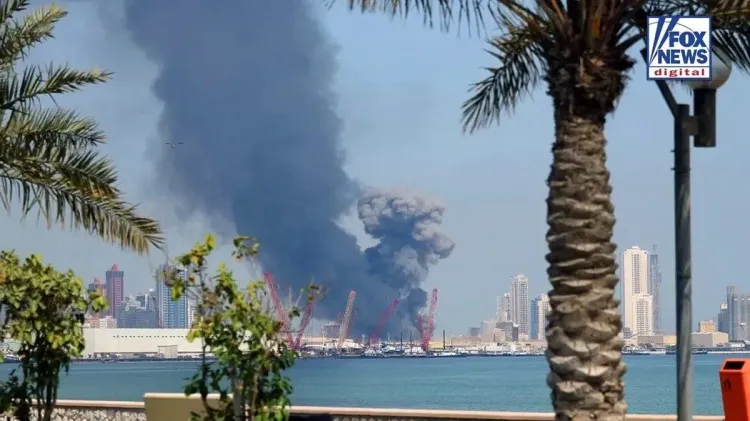
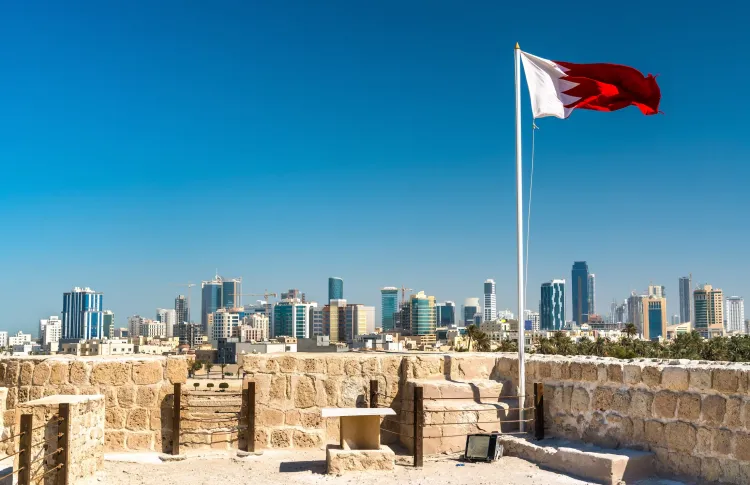
An explosion aboard the MT Velos Sapphire killed a seafarer Thursday as the Marshall Islands-flagged oil products tanker headed toward Bahrain. A missile attack was believed to have caused the blast. The surviving crew put out the resulting fire, and the tanker was taken to Khalifa Bin Salman Port in Bahrain for an investigation.
Another tanker reported a blast close to the waterline on its port side during a passage through the Strait of Hormuz, according to the UK Maritime Trade Operations agency, or UKMTO. The incident occurred 16 nautical miles east of Khasab, Oman. No crew members were harmed, and the ship could continue operating.
By November 6, Iran's Islamic Revolutionary Guard Corps had declared the strait "unsafe and closed" for ships that did not coordinate with Tehran. It also claimed that several tankers had struck mines and caught fire; no maritime authority had confirmed those claims. UKMTO figures showed five attacks on vessels in the region since November 1, putting shipping attacks at a near-record rate.
Missile interceptions and a disputed market strike
Saudi-led coalition air defenses shot down two Houthi ballistic missiles headed for Najran on Friday. A separate Houthi missile attack on Saudi Arabia's Madinah region on November 5 drew condemnation from Arab states.
Also on November 5, Turkey's parliament ratified the Makkah Defence Pact, completing a collective-defense treaty joining Turkey, Saudi Arabia and Pakistan.
In Yemen, the Houthis blamed Saudi aircraft for a November 6 strike on the al-Hadara market in al-Waziyah district, Taiz province. They reported 30 deaths and eight injuries. Houthi military spokesman Yahya Saree alleged that Saudi aircraft departing Khamis Mushait air base carried out three airstrikes.
Officials in Taiz aligned with Yemen's internationally recognized government disputed that account, telling the Associated Press that there had been no airstrikes in the area and blaming the Houthis instead. The AP could not independently verify either account.
The renewed fighting is part of Operation Dawn of Yemen, a government ground offensive that began October 5 with Saudi-led coalition air support. It followed the collapse of the truce in July 2026. By early November, the UN reported that the renewed conflict had displaced 290,000 people.
Bahrain arrests clerics and revokes citizenship
Bahrain has stepped up action against clerics it accuses of encouraging allegiance to Iran. Authorities arrested more than 50 clerics and other religious figures between May and June, alleging that they sought to provoke rebellion and topple the government with Iranian support.
Security chief Tariq Al Hassan characterized the issue as an ideology that puts obedience to Iran's leaders ahead of Bahrain's sovereignty. Lawyers and family members of the detained clerics rejected the accusations.
Bahrain has also revoked the citizenship of 69 people of Iranian heritage, the South China Morning Post reported November 6. Rights groups described the measure as a further blow to freedom of speech and religion.