Bahrain Urges Gulf Role in Security Decisions as UAE Calls for Diplomatic Breakthrough
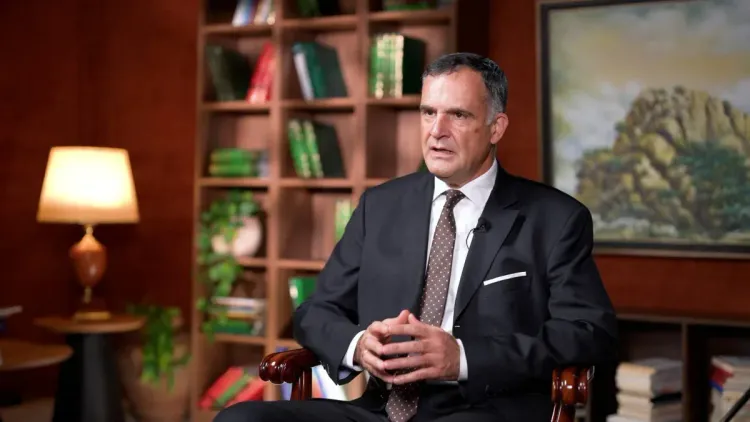
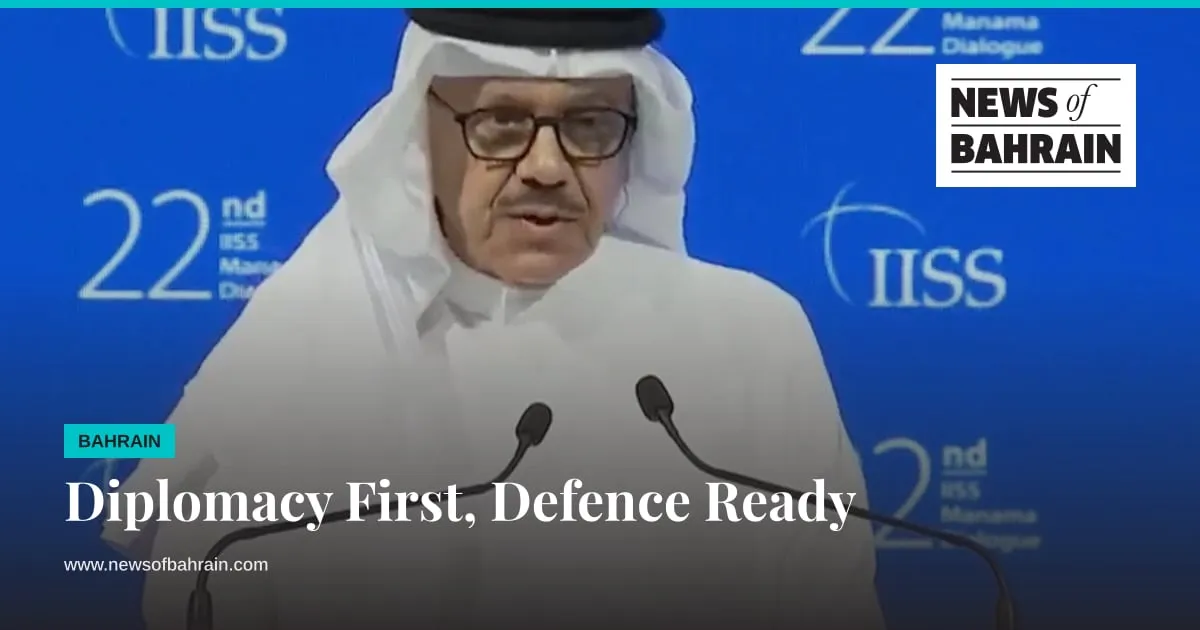
Bahrain called for Gulf states to have a substantive role in decisions affecting their security, while the United Arab Emirates urged a diplomatic resolution to the crisis with Iran. At the IISS Manama Dialogue, UAE presidential diplomatic adviser Dr....
Key points
- Al Zayani said Bahrain favors partnerships giving directly affected countries a meaningful role in security decisions, calling this the best basis for lasting de-escalation.
- Gargash warned that the gap between US and Iranian positions could produce worse outcomes without a diplomatic breakthrough, and described a fog of war.
- Al Zayani put the number of missile, drone and cruise missile attacks on GCC states and Jordan at nearly 7,000, with civilian sites among the targets.
- According to Al Zayani, about 1,600 vessels have been held up at the Strait of Hormuz and more than 23,000 seafarers have lost their freedom since the crisis began.
- The IISS dossier released October 30, 2026 says Iranian attacks on Gulf states continued after the April 8 ceasefire and the June 17 US-Iran memorandum of understanding.
Regional participation and diplomatic efforts
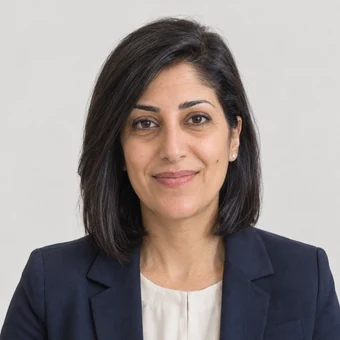
Bahrain's foreign minister, Dr. Abdullatif bin Rashid Al Zayani, argued that participation in security talks is insufficient if others retain control over the decisions. He said Bahrain favors partnerships that give the countries directly affected a meaningful role, describing that approach as the best basis for lasting de-escalation.
Gargash warned that the distance between US and Iranian positions could produce worse outcomes without a diplomatic breakthrough. He described a "fog of war" and stressed that Gulf countries' security is interconnected. The UAE, he said, must be ready for the worst while safeguarding its people and development model.
Rejecting attacks on civilian facilities, Gargash said: "Nobody can, in any way, justify an attack on civilian airports and civilian infrastructure." He called a return to conditions before the Hormuz crisis "non-negotiable" and argued that the Gulf should not bear the costs of a crisis it did not create.
The crisis has increased the importance of the UAE's relationship with Washington, Gargash said. By contrast, Iran's attack has damaged confidence in Tehran, which he said would take a long time to restore. He also questioned the effectiveness of middle powers as intermediaries, citing a lack of tangible results. The UAE sees no viable military solution, he said, but a political breakthrough remains uncertain.
Asharq Al-Awsat reported that, as of November 1, 2026, Qatar was consulting Iran and the United States on an understanding to end the escalation. The unresolved issues included Iran's nuclear program, limits on passage through the Strait of Hormuz and the US blockade of Iranian ports. President Donald Trump renewed threats of further strikes against Iran on Saturday, while Secretary of State Marco Rubio said diplomacy remained an option and no decision on new attacks had been made.
The toll on shipping and essential supplies
Al Zayani put the number of missile, drone and cruise missile attacks faced by the Gulf Cooperation Council states and Jordan at nearly 7,000. Civilian sites, infrastructure, ports, airports and data centers were among the targets. He described pressure on three essential arteries: maritime routes, aviation and data flows.
Since the crisis began, about 1,600 vessels have been held up at the Strait of Hormuz and more than 23,000 seafarers have lost their freedom, according to Al Zayani. Hundreds of ships and thousands of seafarers remained trapped, he said. He warned that interrupted food and medicine supplies were putting as many as 45 million people at risk of hunger, primarily in the Global South, and rejected any state's right to require its permission for transit through an international strait.
At the dialogue's concluding session on November 1, 2026, Al Zayani pointed to UN Security Council Resolution 2817 as evidence of international concern about threats to shipping routes. According to Asharq Al-Awsat, Bahrain submitted the resolution on behalf of the GCC countries and Jordan, and 136 countries supported it.
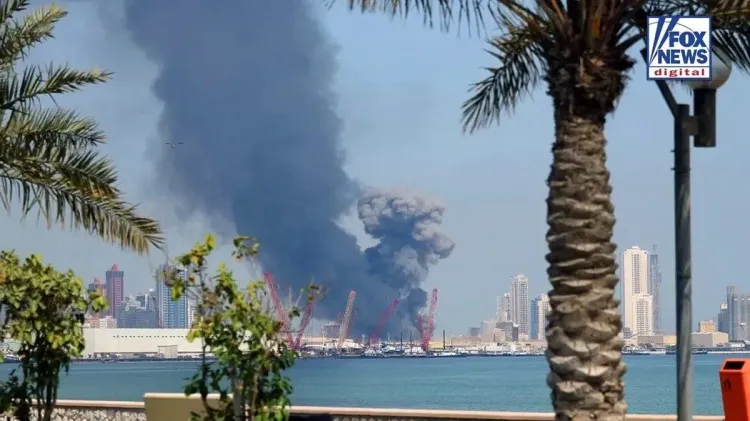
A separate shipping incident occurred on the evening of October 30. Qatar's state news agency said the Qatari liquefied natural gas carrier Al Mayeda, owned by the Qatar Gas Transport Company, was hit by "unidentified objects" while crossing Gulf waters. The agency reported no crew injuries or environmental impact and said the vessel remained safe and operational.
Continued attacks and threats to digital infrastructure
Al Zayani said Iranian attacks had persisted despite understandings intended to halt the escalation. The IISS dossier "The Gulf at War: Geopolitical, Defence and Geo-economic Dimensions," released October 30, 2026, for the Manama Dialogue, provides a timeline: Iran has launched thousands of missiles and one-way attack uncrewed aerial vehicles at Gulf states since February 28, 2026. Those attacks continued after both the April 8 ceasefire and the June 17 US-Iran memorandum of understanding, the dossier says.
The foreign minister also identified a widening threat to digital infrastructure. He cited Iranian Revolutionary Guard Corps threats against submarine cables running through the Strait of Hormuz, along with data centers and artificial intelligence facilities.
He called for international rules to protect maritime traffic, aviation and data flows, as well as an AI treaty. He linked the treaty proposal to an initiative by Bahrain's crown prince and prime minister, Prince Salman bin Hamad Al Khalifa.
Militia attacks and support for Saudi Arabia
Al Zayani said Iran-aligned militias based in Iraq had attacked Bahrain, Kuwait, Saudi Arabia, the UAE and Jordan. He also described intensifying Houthi attacks against Saudi Arabia, including strikes reaching areas near Makkah and Madinah. Targets included energy facilities and airports in Riyadh, Abha, Jazan, Najran and Dammam.
Reaffirming Bahrain's full solidarity with Saudi Arabia, he cited the UN Security Council's unanimous condemnation of the escalating Houthi attacks. The council's October 15, 2026, condemnation also reaffirmed Saudi Arabia's right to self-defense and called for measures to prevent weapons from reaching the Houthis, he said.