GCC Calls for Stronger General Assembly Scrutiny of Security Council Vetoes
The Gulf Cooperation Council states called for a greater UN General Assembly role in scrutinizing Security Council vetoes, saying stronger transparency and accountability would support Council reform and its work to maintain international peace and sec...
Key points
- Bahrain's UN ambassador Jamal Fares Alrowaiei delivered the GCC statement on October 26, 2026, during the General Assembly's 81st session.
- The GCC cited a veto that blocked a draft resolution on waterway security and freedom of navigation through the Strait of Hormuz.
- Security Council Resolution 2817 was adopted on March 11, 2026, with 13 votes in favor and China and Russia abstaining.
- Resolution 2817 condemns Iranian attacks on several GCC states and Jordan and demands they stop immediately.
- General Assembly Resolution 76/262, adopted by consensus in 2022, requires a formal meeting within 10 working days after any veto by a permanent Council member.
Gulf security concerns shape the GCC appeal
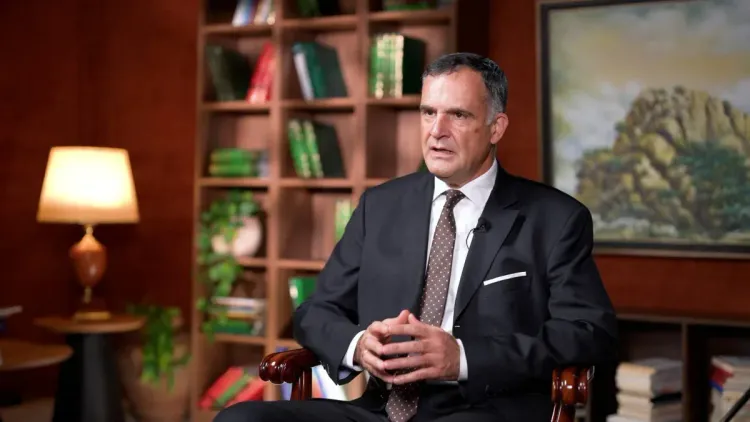
Bahrain's permanent representative to the UN in New York, Jamal Fares Alrowaiei, delivered the GCC statement on October 26, 2026, during the General Assembly's 81st session. The meeting was the fifth annual debate under the UN's veto initiative.
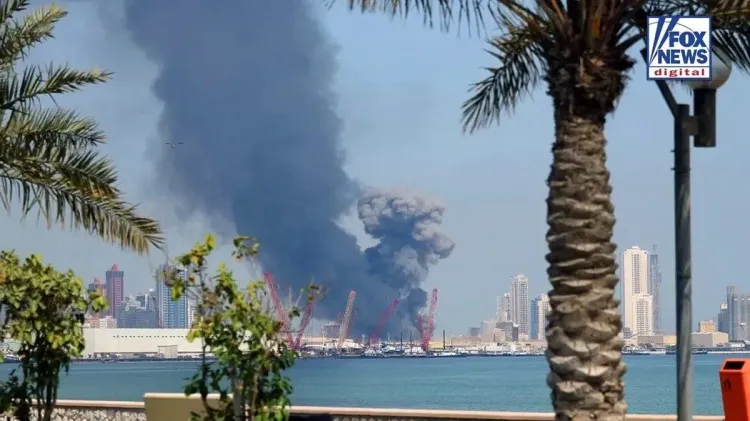
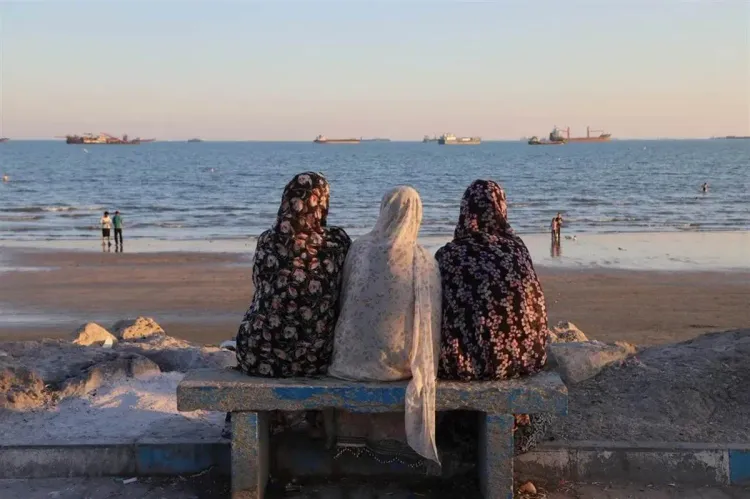
The GCC cited the veto that blocked a draft resolution concerning waterway security and freedom of international navigation, particularly through the Strait of Hormuz. It urged countries to use dialogue to narrow their differences and address regional and international issues with shared responsibility.
The statement also described Iranian attacks on GCC states as a challenge to international decisions and UN Charter principles. It called for a firm, responsible international response to prevent such attacks.
The GCC pointed to the adoption of Security Council Resolution 2817 as an example of the importance of the Council carrying out its peace and security responsibilities. Adopted on March 11, 2026, at the Council's 10,119th meeting, the resolution was drafted by Bahrain on behalf of the GCC member states and Jordan. According to the resolution and Security Council Report, 136 UN member states co-sponsored it; the vote was 13 in favor, with China and Russia abstaining.
Resolution 2817 condemns Iran's attacks on Bahrain, Kuwait, Oman, Qatar, Saudi Arabia, the United Arab Emirates and Jordan in the strongest terms and demands that they stop immediately. It also condemns Iranian actions or threats intended to close or obstruct international navigation through the Strait of Hormuz.
How the Assembly reviews vetoes
The GCC described General Assembly Resolution 76/262, adopted in 2022, as an important advance in the Assembly's oversight of veto use. Known as the veto initiative, it requires the Assembly president to call a formal meeting of the 193-member body within 10 working days whenever one or more permanent Security Council members cast a veto. It also invites the Council to provide a special report on that veto at least 72 hours before the debate.
UN Meetings Coverage and Press Releases records that the Assembly adopted the measure by consensus on April 26, 2022. Liechtenstein introduced it, and 83 member states co-sponsored it, including three permanent Council members: France, the United Kingdom and the United States.
By the October 26 debate, the Assembly had held 21 meetings under the initiative, most recently on October 1, 2026, according to the Assembly president.
The president said the Council had seen two vetoes since the preceding annual debate: one concerning the Strait of Hormuz and another concerning the panel of experts overseeing sanctions on Iran. In each case, the Assembly met within the required 10 working days.
Support for voluntary veto restraint
The October 26 debate also documented support for efforts to limit veto use voluntarily. According to the meeting transcript, 130 states supported the Accountability, Coherence and Transparency (ACT) Group's Code of Conduct on veto restraint, while 128 backed the French-Mexican initiative to suspend veto use in situations involving mass atrocities.
The United Kingdom had recently joined the French-Mexican initiative, becoming the second permanent Security Council member to do so.