Gulf States Reaffirm Support for Morocco's Autonomy Plan at UN Veto Debate
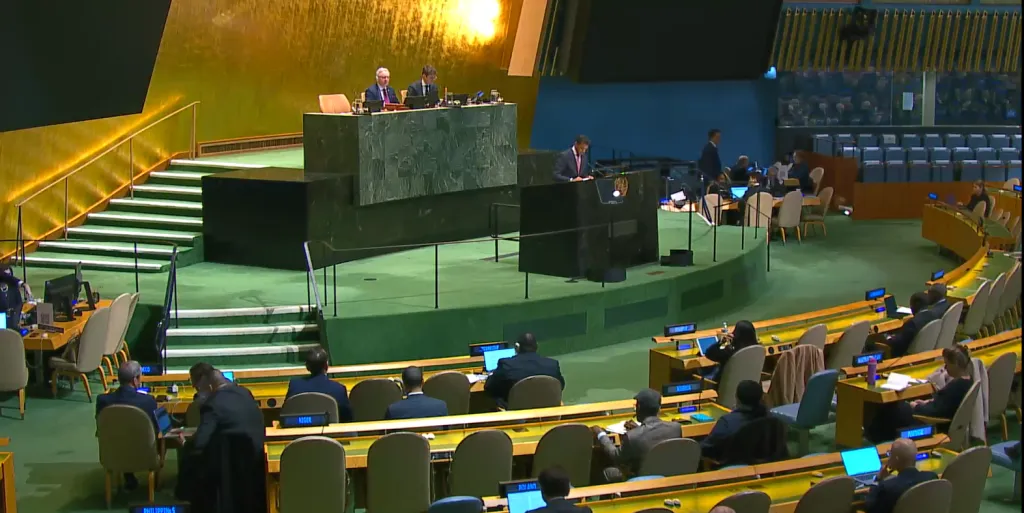
The six Gulf Cooperation Council members backed Morocco's Autonomy Plan for Western Sahara at the UN General Assembly on Tuesday, November 10, as delegates debated the Security Council vetoes that left MINURSO without a renewed mandate.
Key points
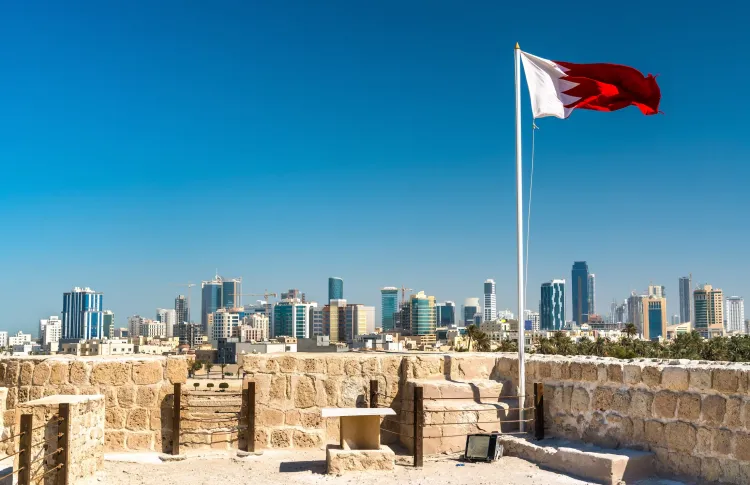
- Bahrain's Jamal Fares Alrowaiei spoke for the GCC, which comprises Bahrain, Saudi Arabia, the UAE, Kuwait, Oman and Qatar.
- The GCC's 46th summit communiqué, issued in Manama on December 3, 2025, reaffirmed Moroccan sovereignty over the Sahara.
- Bahrain said it voted for the US draft to build on Resolution 2797 as a basis for negotiations on a lasting political solution.
- Under Resolution 76/262, the Veto Initiative debate cannot overturn a veto, restore a rejected draft or renew MINURSO's mandate.
- The US draft vetoed by Russia on October 30 would have renewed MINURSO for 12 months and dropped the referendum reference from its name.
Bahrain presents the Gulf position
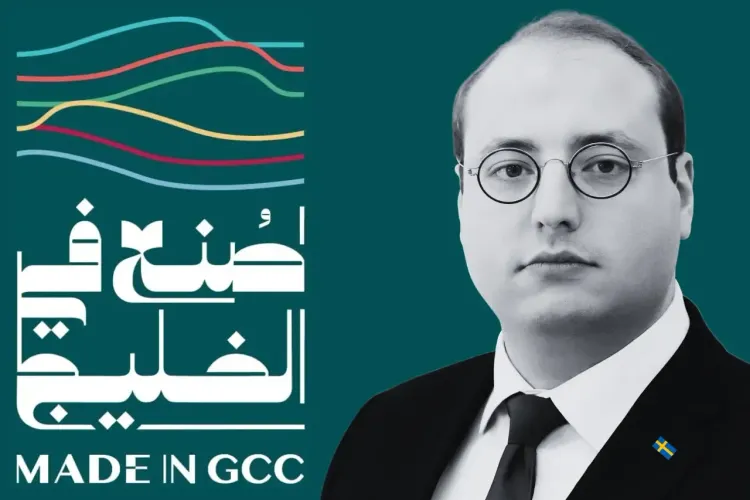
Representing the GCC, Bahrain's Jamal Fares Alrowaiei reaffirmed the group's support for Morocco's sovereignty and territorial integrity. He welcomed Security Council Resolution 2797 and described the Autonomy Plan as a realistic framework for negotiating a lasting political settlement.
Alrowaiei said the GCC supported international efforts to secure a political solution that would bolster regional security and stability and open opportunities for cooperation and development. The bloc comprises Bahrain, Saudi Arabia, the United Arab Emirates, Kuwait, Oman and Qatar.
He also cited the GCC's 46th summit. Its final communiqué, issued in Manama on December 3, 2025, reaffirmed "Moroccan sovereignty over the Sahara" and endorsed the Autonomy Initiative as the basis for a realistic, practical and lasting political solution. Gulf leaders welcomed Resolution 2797, adopted on October 31, 2025, and praised King Mohammed VI's decision to make October 31 an annual national holiday called "Unity Day."
In a separate statement for Bahrain, Alrowaiei said his country had voted for the US draft, "motivated by its desire to build upon the progress achieved through Security Council Resolution 2797, which constituted an important step in consolidating the Moroccan Autonomy Initiative as the basis for negotiations aimed at reaching a mutually acceptable and lasting political solution to this issue."
Bahrain welcomed Morocco's continued commitment to the ceasefire and its cooperation with the UN as MINURSO undergoes liquidation. Alrowaiei also called for greater international efforts to address conditions in the Tindouf refugee camps, seeking sustainable solutions that safeguard residents' dignity, rights and choices.
Two rejected drafts prompted the debate
The General Assembly met under Resolution 76/262, the "Veto Initiative," adopted in April 2022. It requires a debate within 10 working days of a permanent Security Council member exercising a veto and gives that state priority to explain its position. The procedure cannot overturn a veto, restore a rejected draft or independently renew MINURSO's mandate.
On October 30, the Security Council first considered the US proposal, document S/2026/868. It would have renewed MINURSO for 12 months, removed the referendum reference from the mission's name and made Morocco's Autonomy Plan the basis for negotiations. Russia vetoed the text despite 11 votes in favor.
Russia then put forward document S/2026/870, proposing a technical extension of the existing mandate through October 31, 2027. China, Somalia and Russia supported it, while 11 members abstained. A US veto defeated that proposal.
With neither text adopted, the mandate of the United Nations Mission for the Referendum in Western Sahara expired at midnight on October 31, 2026. The mission had been created in 1991 by Security Council Resolution 690 to monitor the ceasefire and organize a self-determination referendum. The referendum was never held.
Liquidation and Morocco's response
MINURSO entered liquidation on November 1, with a smaller team overseeing the process and reporting to the UN Department of Operational Support. According to UN Peacekeeping, the mission had about 200 civilian staff, military observers and staff officers from more than 35 countries when its mandate ended.
Its headquarters were in Laayoune, with nine team sites—four west of the berm and five east—and a liaison office in Tindouf.
Morocco welcomed the mandate's non-renewal. In a November 4 statement after a working session chaired by King Mohammed VI, the Royal Office said the country's voluntary commitment to the ceasefire would remain unchanged by MINURSO's departure.
The Royal Office argued that the mission had repeatedly failed to monitor ceasefire compliance and determine the consequences of violations. It also characterized the circumstances of MINURSO's creation and its original functions as outdated.
The King directed the Interior Ministry's Office for Coordination with MINURSO to oversee and assist the mission's liquidation and withdrawal, working with the UN to keep the process orderly.
UN diplomacy continues after the mandate's end
UN Secretary-General António Guterres said on November 1 that the mission's departure "does not abrogate" the people of Western Sahara's "inalienable right to self-determination." He called on all parties to respect and promote their rights.
Guterres urged all concerned to exercise "maximum restraint" and avoid steps that could heighten tensions or undermine regional stability. He said the UN would continue pursuing a peaceful resolution through his Personal Envoy, Staffan de Mistura.