Russia and Bahrain call for safe, free navigation amid Gulf crisis
Russia and Bahrain affirmed their support for freedom and safety of international navigation during November 6, 2026 talks between Russian Deputy Foreign Minister Georgy Borisenko and Bahraini Ambassador to Moscow Ahmed Al Saati, according to the Russi...
Key points
- Both diplomats backed resolving the Persian Gulf crisis through political and diplomatic efforts grounded in international law.
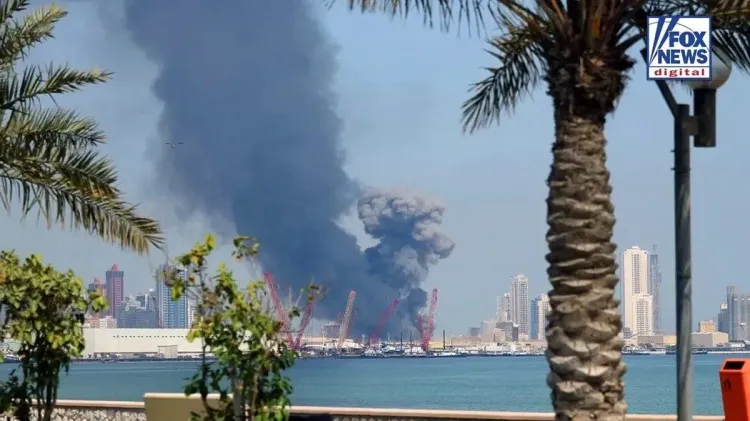
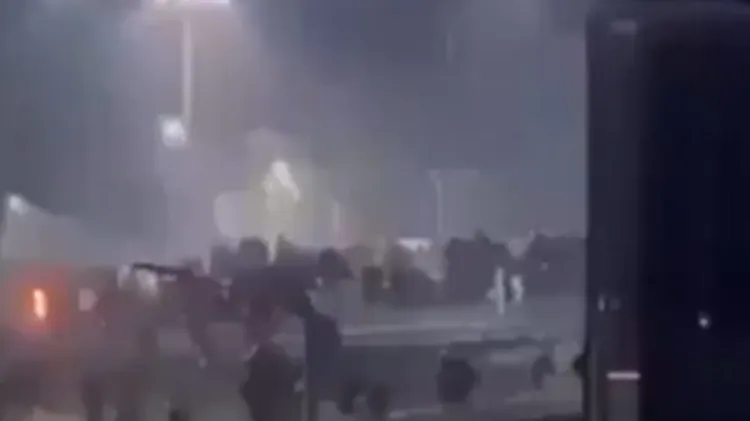
- The crisis stems from military operations that began on February 28, 2026, according to News of Bahrain.
- The UN Security Council adopted Resolution 2817 on March 11, 2026, condemning Iranian attacks on Bahrain and other Gulf countries.
- Russia abstained on Resolution 2817 and later voted against a separate draft on maritime security in the Strait of Hormuz.
Diplomatic response to the crisis
Al Saati requested the meeting, the ministry said. Both diplomats backed resolving the Persian Gulf crisis through political and diplomatic efforts grounded in international law, with the legitimate interests of every country in the region taken into account.
The crisis stems from military operations that began on February 28, 2026, according to News of Bahrain. At the October 18 Russia-Gulf Cooperation Council meeting in Manama, Bahraini Foreign Minister Abdullatif bin Rashid Al Zayani urged a return to the conditions for traffic through the Strait of Hormuz that existed before those operations.
Security Council positions
The UN Security Council adopted Resolution 2817 on March 11, 2026, condemning Iranian attacks on Bahrain and other Gulf countries and calling for actions that threaten international navigation through the Strait of Hormuz to stop. Al Zayani said 135 UN member states co-sponsored the resolution.
Russia abstained on Resolution 2817 and later voted against a separate draft on maritime security in the Strait of Hormuz. Bahrain, Jordan, Qatar, Kuwait, the UAE and Saudi Arabia submitted that draft. Russian Permanent Representative Vassily Nebenzia explained Moscow's vote on April 7, 2026.
Bahrain held a non-permanent Security Council seat as of October 2026. Speaking that month, Russian Foreign Minister Sergey Lavrov said the two countries were working closely from a common standpoint on issues concerning the Gulf, the Arabian Peninsula and the Red Sea.
Building on the Manama talks
Borisenko and Al Saati also discussed advancing bilateral ties, which the Russian ministry described as traditionally friendly. Their discussion drew on agreements reached during Lavrov's October 18 working visit to Manama.
That visit included the ninth Joint Ministerial Meeting of the Russia-GCC Strategic Dialogue, held in the format's 15th anniversary year. Lavrov said trade between Russia and the GCC had increased 45 percent in the previous year, reaching nearly $19 billion.
At the Manama meeting, Moscow proposed further work on a collective security framework for the Gulf. The proposal envisaged participation by Gulf states and neighboring countries, including Iraq and Jordan. The Arab League, the Organisation of Islamic Cooperation and the permanent members of the UN Security Council could provide support, while Gulf countries themselves would have the decisive role.
Lavrov said the next Russia-GCC Strategic Dialogue ministerial meeting would take place in Russia under the rotation arrangement. Saudi Arabia will take over the chairmanship from Bahrain in 2027.