Yemen's Al-Zouba Urges State Restoration and Action on Taiz at Manama Dialogue
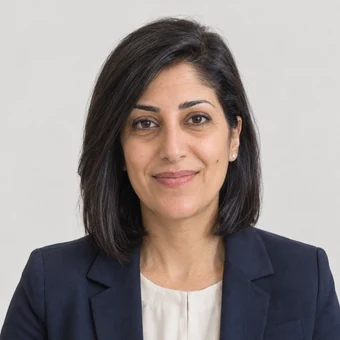
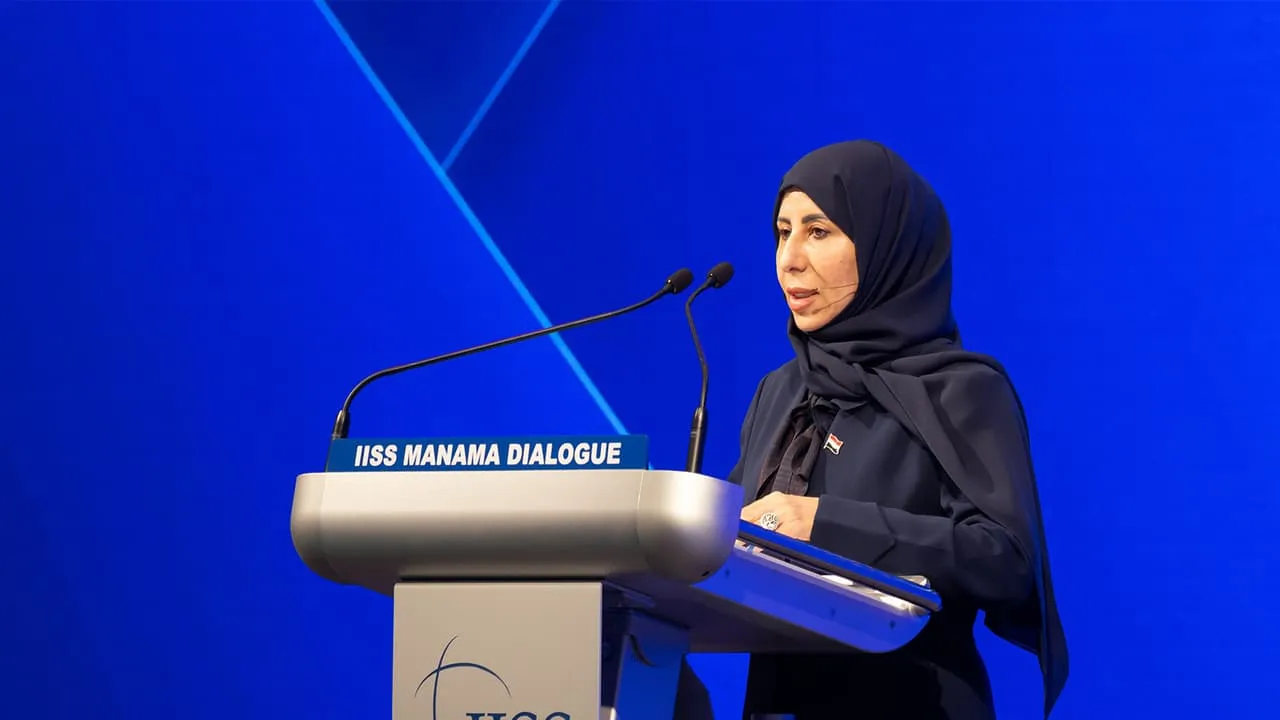
Yemeni Foreign Minister Afrah Al-Zouba called on international partners to help restore state authority throughout Yemen, end the siege of Taiz and confront threats to shipping. Addressing the Manama Dialogue in Bahrain, she argued that lasting regiona...
Key points
- Al-Zouba said Yemeni government sought help to strengthen its institutions, not for other countries to fight on its behalf.
- She called for enforcing the arms embargo under UN Security Council Resolution 2216 as part of international support.
- She reaffirmed three agreed foundations: the GCC Initiative and its Implementation Mechanism, the National Dialogue Conference outcomes, and relevant Security Council resolutions.
- She described the siege of Taiz as a war crime and demanded firm international action to reopen its roads safely and permanently.
- She cited UN Panel of Experts reports identifying Iran and other groups as suppliers to the Houthis, and growing Houthi cooperation with Al-Shabaab.
Support for institutions and a political settlement
Al-Zouba outlined her position in an October 31, 2026, post on X about the dialogue's session on "The Foundations of Regional Security". She described rebuilding Yemen's institutions as a shared responsibility and said legitimate state institutions must have sole control over weapons and decisions on war and peace across the country's entire territory.
In her dialogue statement, she said Yemen's government was seeking help to strengthen its institutions, not asking other countries to fight for it. That support should include enforcement of the arms embargo under UN Security Council Resolution 2216.
She also reaffirmed three agreed foundations for a settlement: the GCC Initiative and its Implementation Mechanism, the outcomes of the National Dialogue Conference, and relevant Security Council resolutions, particularly Resolution 2216.
Al-Zouba discussed support for the government and its institutions with US Assistant Secretary of State for Near Eastern Affairs Donald Blome on the sidelines of the 2026 dialogue. Asharq Al-Awsat reported that Blome reaffirmed Washington's backing and its commitment to continued coordination. Al-Zouba also thanked Bahrain for hosting and organizing the event, and the participating countries for discussions she described as fruitful.
Taiz, maritime security and arms supplies
Calling the siege of Taiz a "war crime", Al-Zouba demanded firm international action to end it and ensure that the city's roads reopen safely and permanently.
She linked the protection of the Bab al-Mandab Strait and international shipping to action against the source of the threat. Her proposed measures included enforcing the arms embargo, ending Iranian support for what she called the "terrorist Houthi militia" and supporting Yemeni national institutions. Restoring the state, she argued, would also help defend Yemen's neighbors and global trade routes.
To describe the Houthis' outside support, Al-Zouba cited the UN Panel of Experts on Yemen's 2024 report. She said it identified Iran, Iraqi armed groups and Hezbollah as suppliers of weapons, technical assistance, training and funding to the Houthis.
She also cited the panel's 2025 report as documenting growing cooperation between the Houthis and Somalia's Al-Shabaab movement. That cooperation involved arms smuggling, training and exchanges of military expertise, she said, calling for greater information-sharing and efforts to disrupt financing.
Separately, Al-Zouba urged the United Nations to support an urgent investigation into field reports alleging that projectiles suspected of containing toxic substances had been used in Yemen.
Renewed fighting and displacement
The appeals followed an escalation that Al Jazeera traced to a Houthi offensive in early September 2026. Mocha fell on September 10. A day later, government sources reported advances into Dhubab and Mayyun, also known as Perim Island, completing what those sources described as a Houthi takeover of Yemen's Red Sea coast.
The advance brought Taiz under siege, with the Houthis controlling the main road connecting the city to the south, according to Al Jazeera. UNICEF said nearly 130,000 people, including 71,000 children, had been displaced during the three weeks ending September 25.
The internationally recognized government announced "Operation Dawn of Yemen" on October 4 and began a major offensive the following day. Its stated objective was to recapture territory, including Sanaa. Government troops fought alongside the Southern Giants Brigades and units formerly affiliated with the STC, with Saudi Arabia backing the campaign.
By October 7, displacement had exceeded 200,000 people, according to the International Organization for Migration. More than 3,700 of them had escaped by sea to Djibouti.
Al Jazeera reported that the Houthis retaliated against Saudi Arabia with strikes on airports and oil facilities. Their repeated ballistic missile attacks included a strike on Riyadh's airport on October 10 that killed 13 people.
Coalition raids reported in Hodeidah
Al Jazeera also reported two Saudi-led coalition raids on an oil facility in Bajil district, in western Hodeidah governorate, citing the Houthi-affiliated broadcaster Al Masirah TV.
Al Masirah said at least three civilians were wounded. According to Al Jazeera's report, the coalition had not immediately commented.