Gulf CDC and Arabian Gulf University Sign Public Health Cooperation Agreement
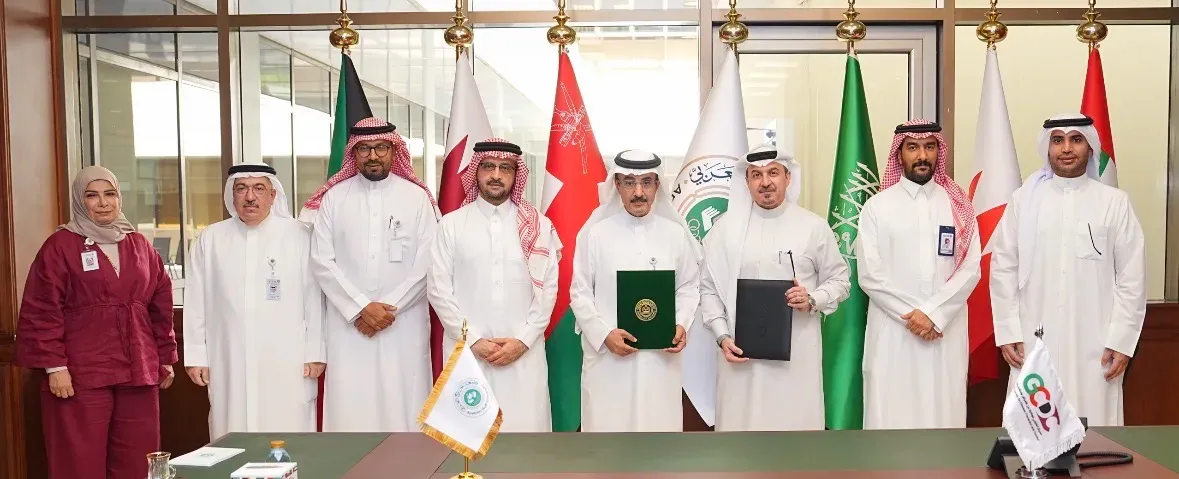
The Gulf Center for Disease Prevention and Control and Arabian Gulf University signed a memorandum of understanding in Bahrain on November 4, 2026, to connect academic research and training with practical public health work. The agreement aims to suppo...
Key points
- The memorandum provides a framework for combining expertise on health priorities in Gulf Cooperation Council countries.
- Cooperation will include joint studies, research projects and support for jointly authored scientific publications.
- The institutions plan to apply their expertise to health policies, guidelines, evaluation frameworks, surveillance and data analysis.
- The training component covers vocational programs, fellowships, executive education and public health leadership development.
- Arabian Gulf University President Saad bin Saud Al-Fahaid called for students to take part in joint research and training.
Research, data and professional training
Signed at the university's headquarters, the memorandum provides a framework for the two institutions to combine their expertise on health priorities in Gulf Cooperation Council (GCC) countries. It calls for translating research, training and innovation into programs, initiatives and tools for public health systems.
Cooperation will cover joint studies and research projects, along with support for jointly authored scientific publications. The institutions also plan to apply their expertise to health policies, guidelines, evaluation frameworks, surveillance and data analysis. The stated goal is to make research findings and data useful for evidence-based decisions and responses to community health needs.
The training component covers the design and delivery of vocational programs, fellowships, executive education and public health leadership development. These activities are intended to help health workers apply scientific knowledge in their daily work, build professional skills and support sustainable public health systems.
Arabian Gulf University President Dr. Saad bin Saud Al-Fahaid said the university was ready to contribute its academic and research expertise and help develop public health training programs. He emphasized its commitment to Gulf health security and cooperation among Gulf institutions.
Al-Fahaid also called for students to take part in joint research and training, preparing them for future public health leadership and service to their communities.
A link to the Gulf's 2026–2030 strategy
Gulf CDC CEO Prof. Dr. Manaf Al-Qahtani described partnerships with universities and research institutions as essential to developing lasting public health capacity in the region. He said the memorandum offered a way to turn shared scientific expertise into practical solutions for health decisions, develop national talent and strengthen prevention and preparedness.
The agreement aligns with the Center's strategic direction for 2026–2030, including research, innovation, capacity building and the ability to prepare for and respond to public health emergencies.
According to the Gulf Health Council's 2025 annual report, the Council and Gulf CDC approved their updated joint strategy for 2026–2030 in 2025. The report presents the strategy as a response to changing health conditions and a means of strengthening regional cooperation on shared priorities. Its areas include Public Health Capacity Building, focused on regional training and skills, and Public Health Development, which supports public health programs, policies and practices.
The Center's regional mandate
The GCC Supreme Council decided to establish Gulf CDC at the Al-Ula Summit in January 2021. A regional public health agency operating as a technical entity under the Gulf Health Council, it was created to foster public health cooperation and knowledge exchange among all GCC member states.
The university agreement covers several areas that Gulf CDC identifies as part of its remit: regional training, collaborative programs, the development of public health practices, and the collection, integration and use of health data.
In its own description of its mission, the Center emphasizes coordination, knowledge and evidence to help prevent infectious and non-infectious diseases, mitigate public health emergencies and strengthen healthy communities throughout the Gulf.
Recent emergency preparedness work
The signing came after an October 22, 2026, announcement by the World Health Organization and Gulf CDC that they were strengthening their partnership on emergency preparedness and response across GCC countries.
That announcement followed a two-day regional simulation exercise in Riyadh that ended on October 20. According to WHO's regional office, representatives from Bahrain, Kuwait, Oman, Qatar, Saudi Arabia and the United Arab Emirates took part.
The exercise tested the GCC Public Health Emergency Response Coordination Framework and supported the organizations' shared strategic direction for 2026–2030.