Bahrain's Crown Prince Calls for Protecting Shipping Routes at Manama Dialogue Opening
Prince Salman bin Hamad Al Khalifa opened the 22nd IISS Manama Dialogue with a call to protect international waterways and freedom of navigation, emphasizing their role in security and prosperity in the region and beyond.
Key points
- Prince Salman said safe waterways support stability, development, security and prosperity, according to WAM's October 31 report.
- UKMTO put combined transits through the Strait of Hormuz at about 70% below pre-conflict levels for the week ending October 23, 2026.
- UKMTO reported five attacks that week, two in the strait and three in the Arabian Gulf.
- Bahrain's foreign minister called for Hormuz traffic to return to conditions preceding the military operations that began February 28, 2026.
- The summit's agenda includes a special session on lessons from the Iran War and a closing plenary on maritime security.
Navigation and international cooperation
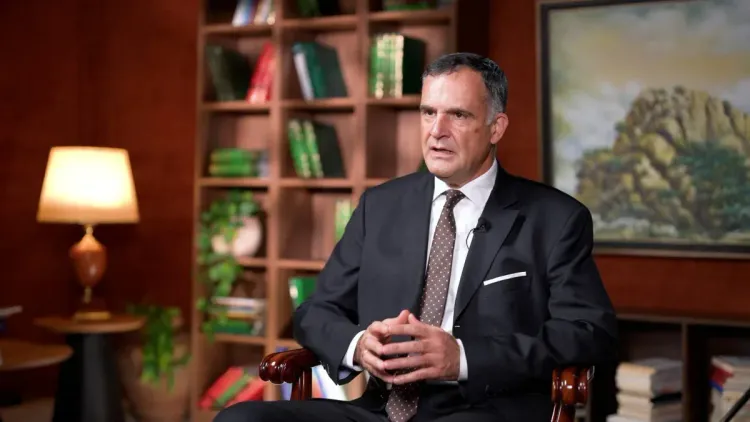
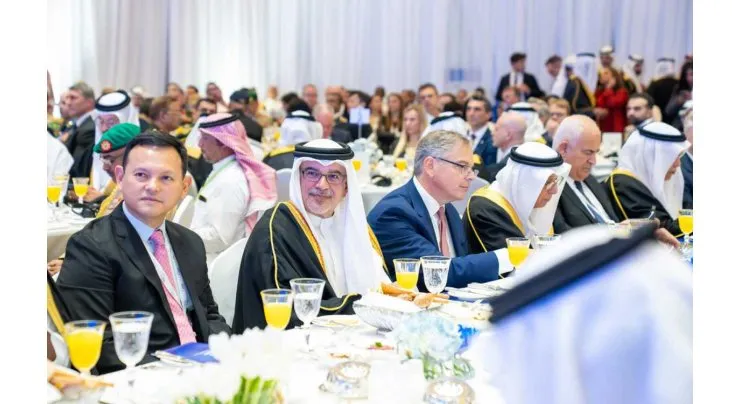
Bahrain's crown prince and prime minister told the gathering that safe waterways support stability and development as well as security and prosperity, according to WAM's October 31 report. Prince Salman, who also serves as deputy supreme commander of the armed forces, addressed an audience of ministers, security officials, military leaders and academics from around the world.
He reiterated Bahrain's backing for international cooperation and collective efforts to strengthen regional and global security. He also credited the forum with helping decision-makers communicate and narrow differences on shared concerns, supporting closer partnerships and broader cooperation.
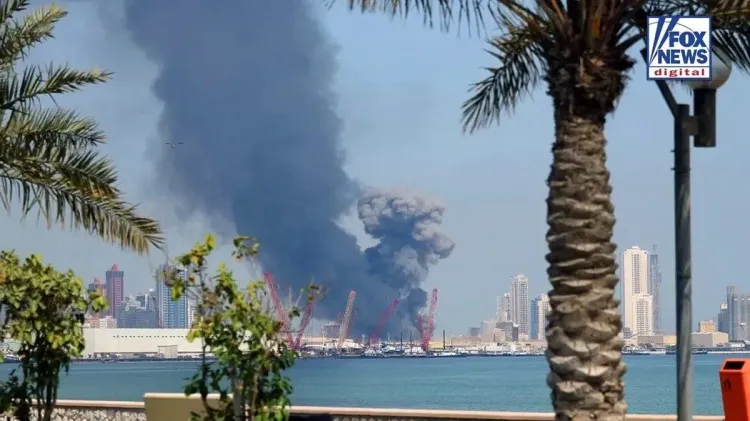
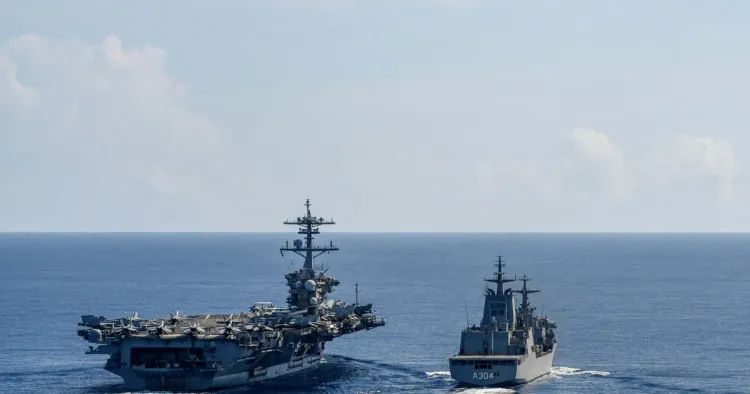
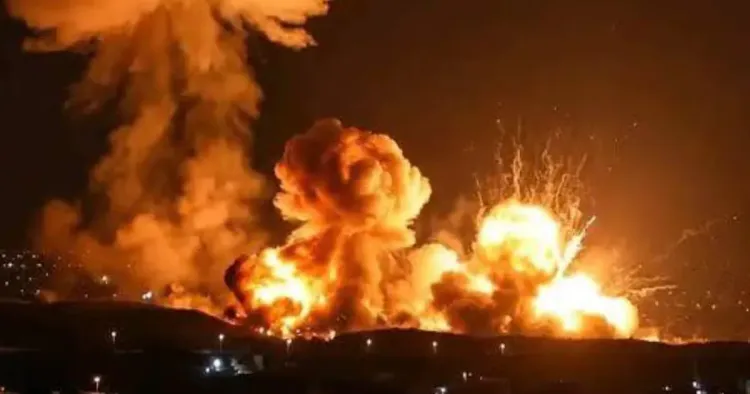
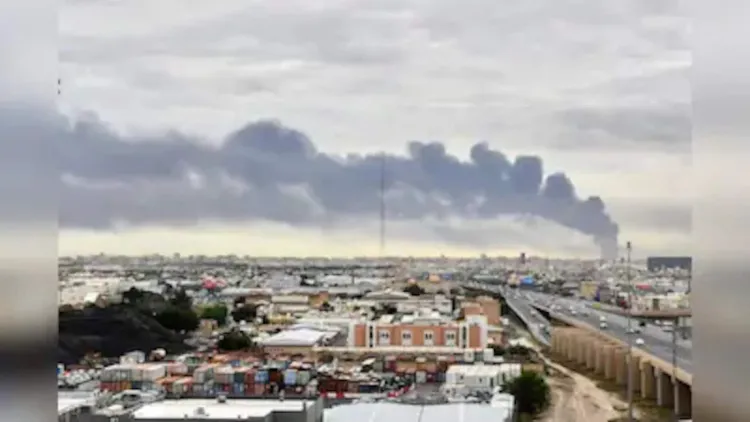
His maritime message comes amid reduced shipping activity through the Strait of Hormuz. In its overview for the week ending October 23, 2026, UKMTO put combined transits through the strait at approximately 70% below pre-conflict levels. It reported five attacks during that week, two in the strait and three in the Arabian Gulf.
Bahrain's foreign minister, Abdullatif bin Rashid Al Zayani, had called for Hormuz traffic to return to conditions preceding the military operations that began on February 28, 2026. Speaking at the GCC–Russia Strategic Dialogue in Manama on October 18, he cited UN Security Council Resolution 2817 (2026). Adopted on March 11 with 135 UN member states as co-sponsors, the resolution condemns Iranian attacks against Bahrain and other Gulf countries.
War and maritime security on the agenda
The dialogue's published outline agenda includes a special session, "Political and Security Lessons from the Iran War," and a closing plenary, "Maritime Security at an Inflection Point."
The broader theme, "Middle East security interests, alignments and integration," was selected in January, before the latest fighting. IISS Middle East chief Martin 'Sammy' Sampson said the war would be part of the discussions but would not dominate them.
The program also includes the launch of "The Gulf at War." Young researchers at the IISS office in Bahrain produced the 80,000-word study, which examines the political, economic and security consequences of events since February 28.
Sampson said Bahrain's UN Security Council seat would also inform discussions about the influence smaller countries can exert over decisions on war and peace.
Delegations from more than 50 countries
Organized by the International Institute for Strategic Studies, the summit runs from October 30 through November 1, 2026, at The Ritz-Carlton, Bahrain, in Manama. Bahrain has hosted the annual event since 2004.
News of Bahrain reported that more than 50 countries are sending delegations, including over 40 senior participants at the ministerial and military chief level. Organizers expect between 600 and 700 senior delegates; aides and support staff are expected to bring overall attendance to between 3,000 and 4,000. More than 10 international organizations, including UN bodies, are participating.
Sampson said Iran had not been invited because it lacks diplomatic relations with Bahrain. Russia and China received invitations, he said, but would decide whom to send.