GCC approves Kuwait-based advanced command to expand military integration
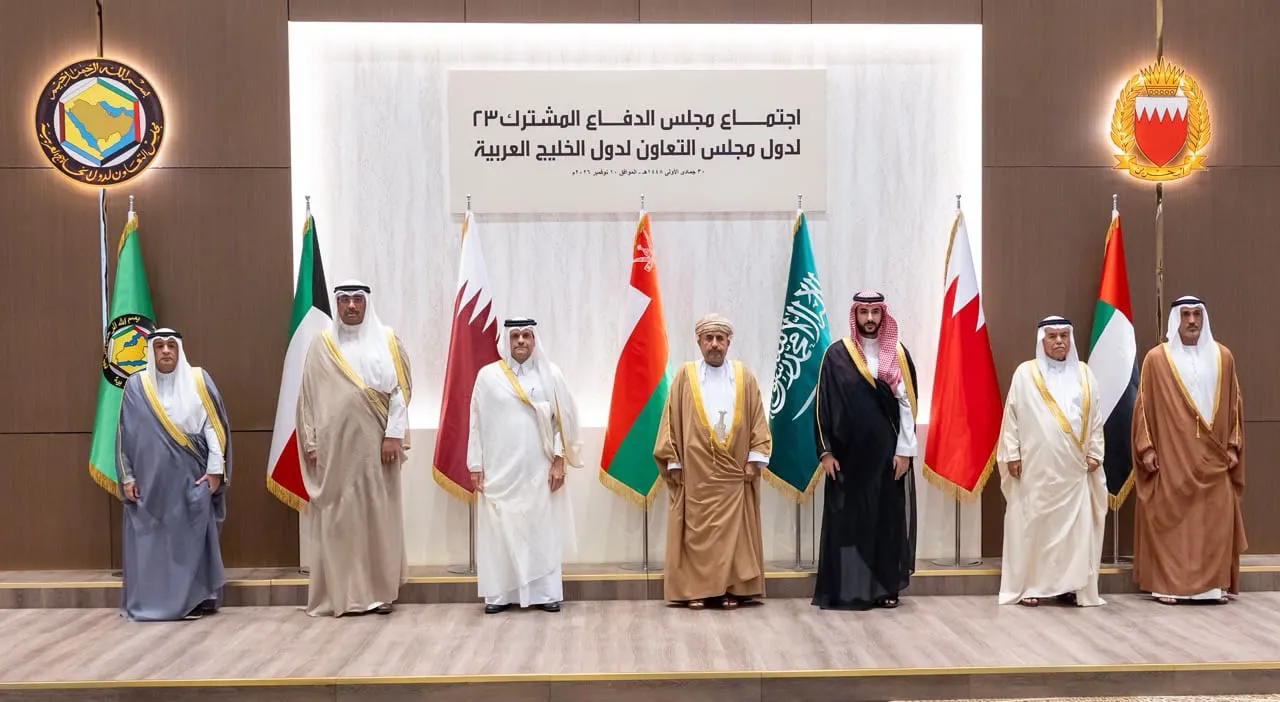
Defense ministers from the six Gulf Cooperation Council states have agreed to establish an advanced military command in Kuwait and assign forces to it. The command will operate within the bloc's existing Unified Military Command, based in Riyadh.
Key points
- Force assignments, the size and makeup of forces, the command's duties and its start date remain unspecified.
- The ministerial decision followed October 29 talks among GCC armed forces chiefs of staff on regional security challenges.
- The approval follows directives from the GCC's April extraordinary summit in Jeddah on intensifying military integration.
- RSDI reported nearly 8,100 Iran-linked attacks since February 28, 2026, roughly 6,000 of them aimed at GCC countries.
- Al Budaiwi said the Strait of Hormuz previously carried about one-quarter of the world's seaborne oil trade before the disruption.
Force assignments and operational timetable remain unspecified
GCC Secretary General Jasem Al Budaiwi announced the approval on Tuesday, November 10, following the Joint Defence Council's 23rd session in Manama. Bahrain's defense minister, Lt. Gen. Abdullah bin Hassan Al Nuaimi, led the meeting.
The announcement left several details unresolved: the size and makeup of the forces, the new command's duties and its operational start date. Al Budaiwi described its establishment as one of several steps ministers approved to advance military cooperation and integration.
The parent Unified Military Command was created to bring closer coordination and integration to the armed forces of Bahrain, Kuwait, Oman, Qatar, Saudi Arabia and the United Arab Emirates.
The ministerial decision followed October 29 talks in Manama among the GCC armed forces' chiefs of staff. Those discussions addressed how to strengthen defense cooperation and coordination in response to regional security challenges.
Earlier efforts to coordinate missile warnings
Al Budaiwi linked the ministers' work to directives from the GCC's extraordinary summit in Jeddah in April. He said those directives expressed member states' resolve to defend their security and sovereignty and improve their ability to address shared threats.
At the April summit, Gulf leaders sought faster completion of a regional missile warning system. Al Budaiwi said at the time that they "underlined the importance of intensifying military integration among the member states and accelerating the completion of the early warning system project against ballistic missiles".
Work on sharing air-defense information predates that summit. In a September 18, 2026, analysis, the Abu Dhabi-based Regional Security & Defence Institute, or RSDI, reported that the Joint Defence Council agreed in September 2025 to share air-situation information with operations centers throughout the member states. The council also agreed to speed up the work of the Gulf Joint Task Force for the Early Warning System against Ballistic Missiles.
The same analysis reported that the United States and regional partners activated an air-defense operations cell at Qatar's Al Udeid Air Base in January 2026. Its role is to coordinate integrated missile defense and threat warnings across the region.
Attacks and wider regional security concerns
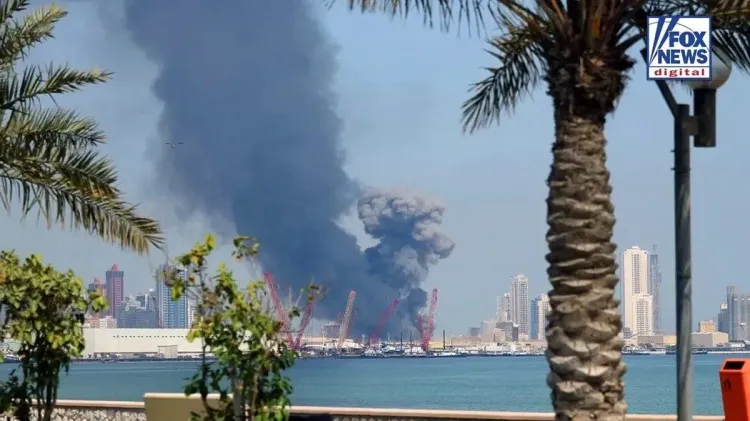
The Kuwait command was approved against a backdrop of Iranian attacks on GCC countries this year and Houthi missile and drone strikes on Saudi Arabia. Other concerns include the possibility of renewed US-Iran military confrontation and continuing disruption to shipping through the Strait of Hormuz.
RSDI's September analysis described sustained missile and drone attacks on GCC states since February 28, 2026. It reported nearly 8,100 Iran-linked attacks, roughly 6,000 of them directed at GCC countries. Drones made up more than three-quarters of the attacks against the Gulf, with the UAE facing a particularly heavy share.
Security concerns have also extended to suspected infiltration networks. According to RSDI, GCC interior ministers convened an emergency meeting in Riyadh on May 13 over concerns about Iranian-linked networks operating across the Gulf. The meeting came after arrests in GCC states of several people allegedly connected to the Islamic Revolutionary Guard Corps and Kuwait's interception of suspected IRGC-linked operatives near Bubiyan Island.
Al Budaiwi praised Gulf militaries' coordinated response to Iranian attacks, saying it showed that member states shared responsibility for one another's security. He also reaffirmed the GCC's collective-security commitment and condemned Iranian attacks on its members and Houthi attacks on Saudi Arabia, which have damaged civilian facilities and infrastructure.
In a separate statement reported by the GCC General Secretariat, Al Budaiwi said repeated Houthi attacks on Saudi Arabia since July 2026 had reached Makkah and Madinah. He condemned the attacks as a violation of the sanctity of Islamic holy sites.
Diplomatic support and economic exposure
Al Budaiwi has also highlighted international backing for the Gulf states through UN Security Council Resolution 2817, issued on March 11, 2026. Bahrain presented it on behalf of the GCC states and Jordan, and 136 countries co-sponsored it. He characterized that backing as the broadest of its kind for a resolution in the Security Council's history.
On the economic consequences of the crisis, Al Budaiwi said the Strait of Hormuz had carried approximately one-quarter of the world's seaborne oil trade before the current disruption. Interruptions to navigation, he said, affected energy prices, shipping and insurance costs, and international supply chains.
He also put the GCC states' economic and financial base at approximately $2.4 trillion, saying it had improved their ability to withstand crises and absorb economic shocks.