Bahrain Says Air Defenses Intercepted Iranian Attacks
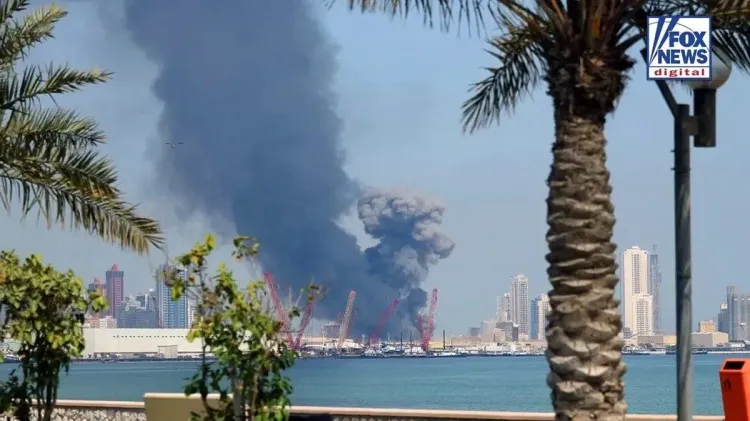
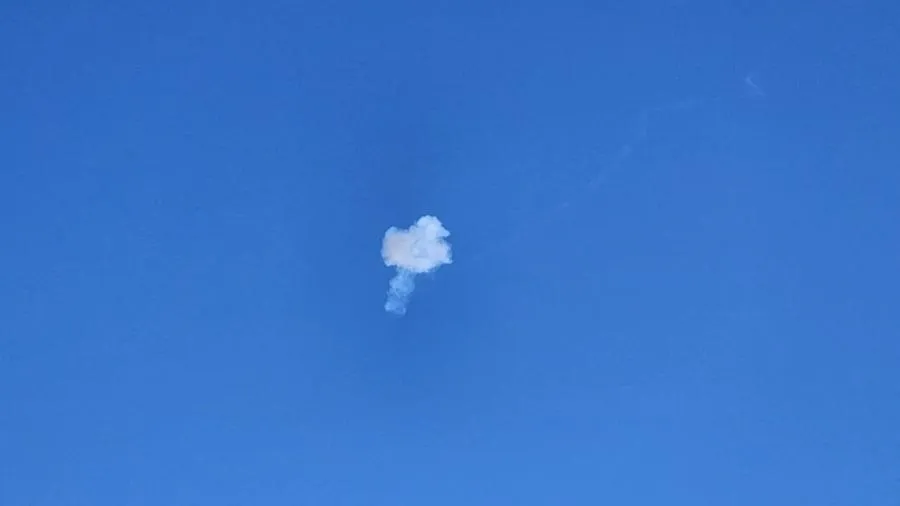
Bahrain said its forces destroyed several incoming Iranian aerial threats before they reached their targets. Iran's Islamic Revolutionary Guard Corps claimed it had launched six drones against a US military radar installation at the Al-Riffa helicopter...
Key points
- Bahrain's Defence Force said its units remained on high alert after intercepting the attacks, without giving the number or type of projectiles.
- Bahrain's Interior Ministry urged residents to take shelter during a security alert and later issued an all-clear.
- Iran's Revolutionary Guard claimed it targeted the radar facility in retaliation for repeated American violations of Iranian airspace.
- US Central Command disputed the IRGC account, saying American forces shot down two Iranian one-way attack drones without injuries or damage.
- Saudi Arabia, Qatar, Jordan and Egypt condemned the attacks on Bahrain and expressed solidarity with the kingdom.
Bahrain reports interceptions and issues shelter alert
The Bahrain Defence Force's General Command said its units remained on high alert after intercepting the attacks, which it described as continued Iranian hostility toward Bahraini territory. Anadolu Agency reported that the statement was issued on November 17, 2026. The military did not identify the number or type of projectiles intercepted or report whether there were casualties or damage.
Bahrain's Interior Ministry urged residents to take shelter in a security alert, then later issued an all-clear.
Iranian state media carried the IRGC's claim that it had targeted the radar facility in response to hostile US military actions. According to Anadolu Agency, the IRGC described its operation as retaliation for what it called repeated American violations of Iranian airspace. Iran's account did not independently establish that the installation was damaged; Bahrain maintained that its defenses had neutralized the incoming threats.
Earlier attacks and US accounts
RFE/RL reported that a November 15 attack was the second Iranian drone attack on Bahrain in three days, following a lull in attacks since September. On November 13, the IRGC had claimed to have targeted a US early-warning radar facility in Bahrain. US Central Command disputed that account, saying American forces shot down two Iranian one-way attack drones over the kingdom without injuries or damage.
A US official told Al Jazeera on November 15 that the attack on a military base in Bahrain had caused no damage or casualties among American forces. The official said Iran had "failed once again."
Saudi Arabia, Qatar, Jordan and Egypt condemned the attacks on Bahrain and expressed solidarity with the kingdom, according to The National News Desk's reporting on the November 15 strikes.
Separately, Saudi Arabia's military said that on November 15 it intercepted two Houthi ballistic missiles headed toward Riyadh and three drones over the oil-rich Eastern Province.
Confrontation over the Strait of Hormuz
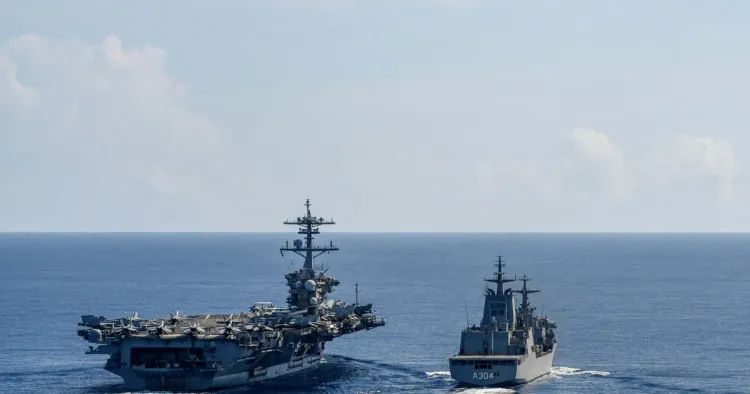
Bahrain hosts the US Navy's Fifth Fleet headquarters and lies near the Strait of Hormuz, placing it at a strategically important point in the US military presence in the region.
In its November 15 statement, the IRGC said: "The Strait of Hormuz is closed, and any aggression by the American enemy will be met with an even harsher and more forceful response."
The BBC reported that Iran insists on controlling the strait and has attacked traffic it considers unauthorized. US forces have been protecting tankers transporting oil through the waterway.
Diplomacy remains stalled
According to Anadolu Agency, the wider conflict began on February 28, 2026, when the United States and Israel opened a military campaign against Iran. Washington and Tehran signed a memorandum of understanding in June, but disagreements about guarantees for freedom of navigation through the Strait of Hormuz stalled its implementation. US-Iran confrontations have resumed periodically since July.
The BBC reported that President Donald Trump said in mid-November that the United States was no longer interested in an agreement to end the war with Iran. He directed Vice President JD Vance, who had been working to restart negotiations, to concentrate on domestic politics. RFE/RL also reported that Trump said the US naval blockade of Iranian ports would remain in effect.