Trump and Netanyahu Warn Iran as AIPAC Announces End to Candidate Endorsements
President Donald Trump and Israeli Prime Minister Benjamin Netanyahu signaled possible further military action against Iran in statements on Oct. 18, 2026, shortly before elections in both countries. Separately, AIPAC announced it would stop endorsing...
Key points
- Trump said the U.S. was doing very well with Iran and must decide whether to win the nice way or the not nice way.
- Former Trump administration officials interviewed by Jewish Insider saw little incentive for another round of hostilities before the midterms and Israel's election.
- A Channel 13 and Jewish People Policy Institute poll found 47% of Israelis would not trust the government's intentions if it struck Iran before the vote.
- AIPAC's PAC had contributed nearly $25 million through Sept. 30, 2026, and AIPAC members gave candidates over $90 million directly, according to NPR.
- Blue Square Alliance Against Hate raised more than $32 million at its inaugural gala, setting the organization's single-night fundraising record.
Iran warnings and an unannounced visit
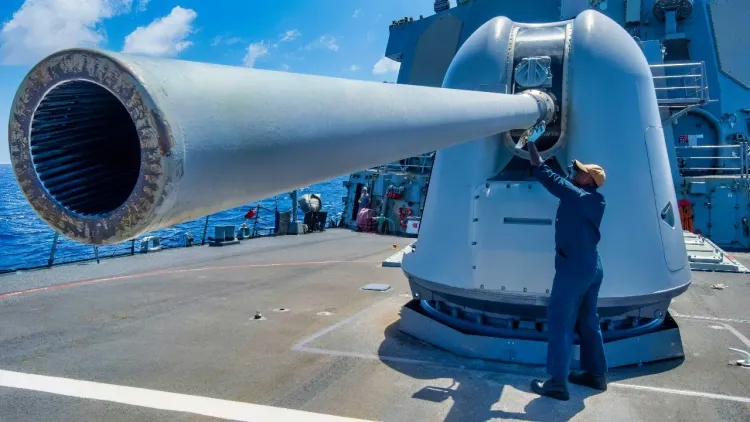
Trump said the U.S. could soon "finish the job" against Iran, while Netanyahu said that he and Trump would "complete the mission," according to Jewish Insider's Oct. 21 report.
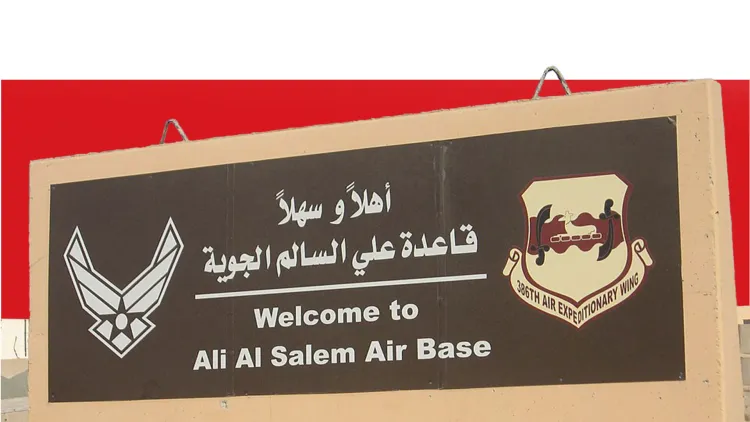
The statements preceded an unannounced trip to Israel by U.S. Defense Secretary Pete Hegseth on Oct. 19. Hegseth met with Netanyahu and Israeli Defense Minister Israel Katz at Ovda Air Base, Jewish Insider reported.
Trump returned to the subject when speaking with reporters on Oct. 20. According to USA Today reporting published by The Spokesman-Review, he said: "we're doing very well with Iran... We just have to make a final decision of which way do we want to win, do we want to win the nice way or the not nice way."
Electoral risks of further fighting
Despite those warnings, former Trump administration officials interviewed by Jewish Insider saw little incentive for Washington or Jerusalem to begin another round of hostilities before the U.S. midterms and Israel's Oct. 27 election. They pointed to the potential political and economic costs.
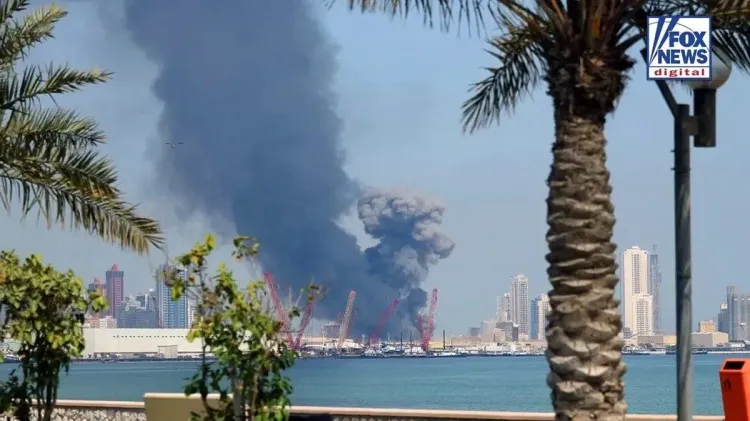
The conflict began with joint U.S.-Israeli strikes on Feb. 28, 2026. By late October, the war had lasted nearly eight months, disrupted the global economy and driven oil prices sharply higher, according to USA Today. Its reporting described the war as a major liability for Republican candidates heading into the November midterms.
An Israeli survey also found skepticism about a possible pre-election attack. In polling by Shmuel Rosner for Channel 13 and the Jewish People Policy Institute, 47% of Israelis said they would not trust the government's intentions if it struck Iran before the Oct. 27 vote; 33% said they would. Jewish Insider cited the survey in its Oct. 21 report.
AIPAC changes its campaign role
AIPAC's Oct. 21 announcement ended its plans to issue candidate endorsements, contribute directly through its PAC or earmark money for candidates, NPR reported. The change does not extend to its affiliated super PAC, United Democracy Project, which will continue operating.
The announcement followed substantial spending during the election cycle. According to NPR, AIPAC members had given candidates more than $90 million directly, and AIPAC's PAC had contributed nearly $25 million through Sept. 30, 2026. United Democracy Project separately recorded $53.5 million in independent expenditures.
Blue Square raises more than $32 million
In a separate development on Oct. 21, Robert Kraft's Blue Square Alliance Against Hate held its inaugural benefit gala at Manhattan's Waldorf Astoria. The event brought in more than $32 million, setting the organization's single-night fundraising record, Jewish Insider reported.
The organization began in 2019 under the name Foundation to Combat Antisemitism and adopted its current name in October 2025. Jewish Insider also cited the ADL's count of 9,354 antisemitic incidents nationwide in 2024, the highest annual total in its 46 years of tracking.