Bahrain Leads 80-Country Call to Reopen Strait of Hormuz Without Tolls
A group of 80 countries led by Bahrain has urged the full reopening of the Strait of Hormuz, demanding safe passage without tolls or conditions. The joint statement, delivered at the United Nations on September 24, 2026, condemned Iranian actions disru...
Key points
- The IMO has verified at least 84 incidents affecting merchant shipping since fighting began on February 28, with 23 seafarers killed.
- UKMTO recorded seven consecutive attack or security warnings across the wider region between September 17 and 23.
- The statement reaffirms Security Council Resolution 2817, adopted March 11 with 13 votes in favor and abstentions by China and Russia.
- The UN reports a drop of more than 90 percent in ship transits through Hormuz since the crisis escalated in late February 2026.
Demands for unrestricted passage
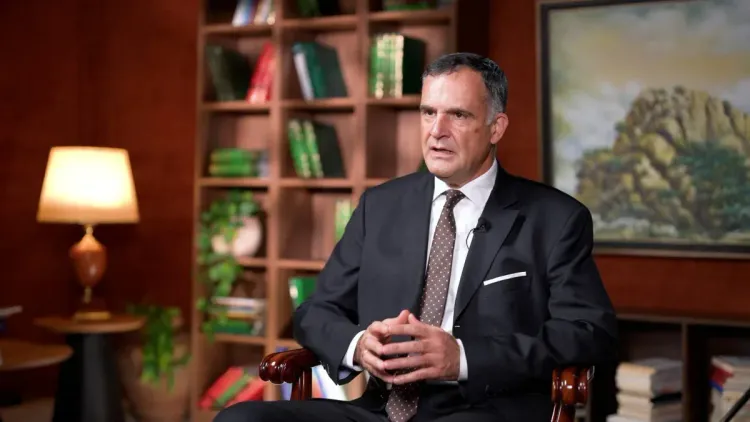
Bahrain's Foreign Minister Abdullatif Rashid Al Zayani presented the statement, whose supporters included Gulf Arab countries and major Western powers, according to The Straits Times. The countries warned that disruptions at Hormuz and around the Red Sea and Bab al-Mandab threaten maritime security, energy supplies and international trade.
"We reiterate our call for the urgent and full re-opening of the Strait of Hormuz and the safe, secure and unimpeded transit of all vessels," the statement said. Passage must be allowed "without the imposition of tolls, conditions or illegal charges," it added.
The statement also denounced renewed Houthi hostilities in Yemen, strikes against Saudi Arabia and attacks in the Red Sea. It said the group's advance around Bab al-Mandab was increasing the danger to ships using that trade corridor.
The countries pledged continued support for the International Maritime Organization and regional partners seeking to restore safe navigation. They also committed to working with the shipping industry toward resuming normal operations when security conditions allow.
Attacks and restrictions leave crews at risk
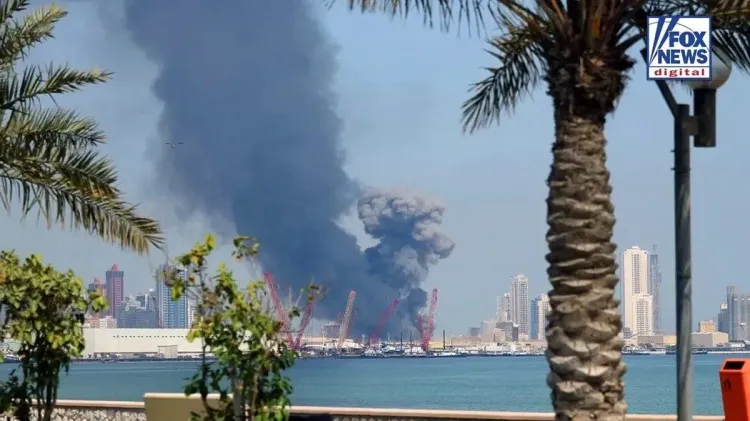
Commercial vessels have faced severe restrictions in and around Hormuz during months of conflict. The IMO has verified at least 84 incidents affecting merchant shipping across the strait and the wider Middle East since fighting began on February 28; 23 seafarers have been killed.
Reports intensified ahead of the September statement. UKMTO recorded three attacks or security incidents from September 16 through 18, then two separate incidents involving tankers on September 21. An attack on the Cape Dao on September 23 killed an Indian seafarer. Across the wider region, UKMTO issued seven consecutive attack or security warnings between September 17 and 23, including an attempted interception east of Aden.
"Commercial shipping and seafarers must never be used as leverage," the countries said, honoring crews who continued working despite the risks. IMO Secretary-General Arsenio Dominguez has repeatedly urged an end to attacks on merchant vessels and the restoration of safe navigation without discriminatory fees or tolls.
The dangers to crews were already extensive in April. At a Security Council meeting on April 27, UN Secretary-General António Guterres said more than 20,000 seafarers were stranded at sea and over 2,000 commercial vessels faced navigation risks and restrictions. He called on member states to support the IMO's emergency evacuation framework.
The legal dispute over navigation and tolls
The September statement reaffirmed support for Security Council Resolution 2817, adopted March 11 with 13 votes in favor and abstentions by China and Russia. It condemned Iranian strikes on Bahrain, Kuwait, Oman, Qatar, Saudi Arabia, the United Arab Emirates and Jordan, along with actions or threats to close the Strait of Hormuz or obstruct international navigation there.
At the April 27 Security Council meeting, Dominguez explained that the strait's maritime corridor dates to 1968 and is jointly operated by Oman and Iran. He described it as a mandatory mechanism under the International Convention for the Safety of Life at Sea, or SOLAS, and said international straits cannot legally be subjected to tolls or discriminatory conditions.
According to US Ambassador Mike Waltz, Iran announced a "Persian Gulf Straits Authority" in early June that required captains of international ships to pay for passage through Hormuz. Waltz cited the requirement as evidence that Tehran was defying Resolution 2817.
Also in June, Bahrain and the United States circulated a proposed Security Council resolution building on Resolution 2817, with backing from Kuwait, Qatar, Saudi Arabia and the UAE. It demanded an immediate end to Iranian attacks and threats against merchant and commercial vessels in the strait, addressed mines and illegal tolls, and covered participation in UN efforts to establish a humanitarian corridor.
The proposed resolution was drafted under Chapter VII, which would make its decisions binding. It would neither impose sanctions nor authorize the use of force.
Disruption reaches energy, fertilizer and food markets
The UN has reported a drop of more than 90 percent in ship transits through Hormuz since the crisis escalated in late February 2026. At the April 27 meeting, Guterres said the waterway carries roughly one-fifth of global oil trade and nearly one-third of internationally traded fertilizers.
He warned that a prolonged disruption could trigger a global food emergency, pushing millions into hunger and poverty, particularly in Africa and South Asia.
In August, Guterres described simultaneous disruptions around Hormuz, Bab al-Mandab and the Black Sea as "choking arteries of global trade" and raising energy, fertilizer and food costs. He said Hormuz traffic was close to a standstill and called for navigational rights and freedoms to be fully restored.
Iran's conditional reopening proposal
Iran put forward a separate reopening proposal in mid-September, after an interim ceasefire collapsed. On October 18, Foreign Minister Abbas Araqchi said Tehran's offer to reopen Hormuz within seven days remained available.
The conditions include removing the US blockade of Iranian ports, lifting US sanctions on Iranian oil exports and ending hostilities on every regional front. Araqchi said acceptance by Washington could allow the strait to reopen within six days, with talks resuming the next day.
Reuters reported that Tehran acknowledged receiving a US response. Iran's security chief nevertheless said negotiations had stalled because Washington had not addressed all seven conditions.