Takaichi Outlines Gulf Cooperation Plan and Middle East Diplomacy at Manama Dialogue
Japan is developing a plan to bolster Gulf states' economic and energy resilience while pursuing diplomacy to ease Middle East tensions, Prime Minister Sanae Takaichi said in a November 1 video address to the Manama Dialogue in Bahrain.
Key points
- The plan would deepen ties between Gulf states and the Asia-Pacific region, including Japan, to support a stable global energy supply.
- Takaichi placed the Gulf plan under Japan's Updated Free and Open Indo-Pacific policy, alongside POWERR Asia, according to the Prime Minister's Office.
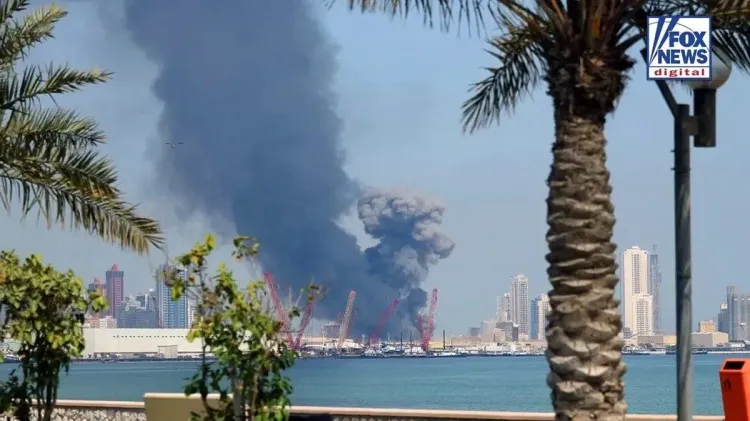
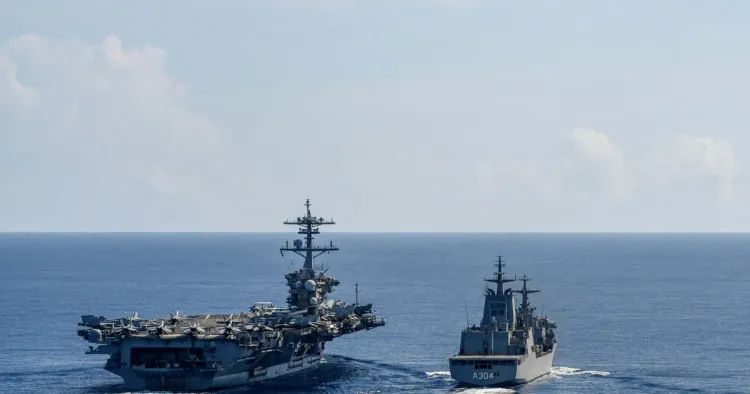
- Takaichi stressed the need to quickly restore stability in the Strait of Hormuz and the Bab el-Mandeb Strait.
- She pledged that Japan would work with Gulf states and the international community to keep both straits free and safe for navigation.
Diplomatic efforts amid regional turmoil
Takaichi said Japan remains in contact with the United States, Iran, Gulf states and other countries as it seeks to reduce tensions and help stabilize the Middle East.
Her address marked the first video message by a Japanese prime minister to the annual forum, according to Japan's Foreign Ministry, as reported by Nippon.com (Jiji Press). The report said the continuing turmoil in the region prompted her participation.
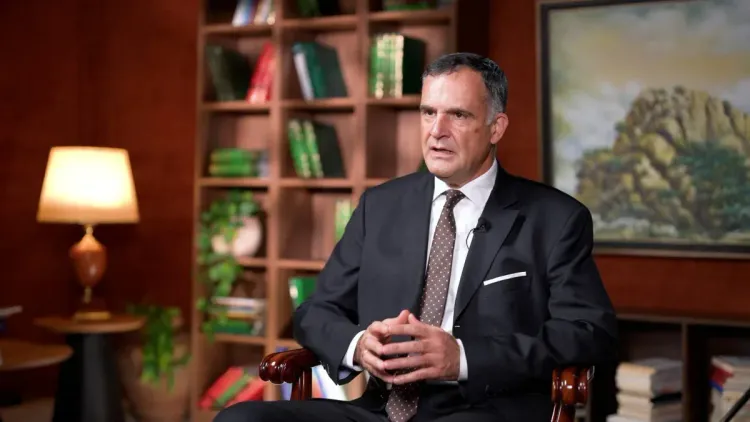
The conference took place in Bahrain's capital, Manama. Takaichi's message was presented during the session "A New Economic Agenda: From Reconstruction and Development to Prosperity." Yasuhiro Kobe, assistant chief cabinet secretary and deputy national security adviser, attended and delivered remarks drawing on her address.
Gulf plan takes shape under Indo-Pacific policy
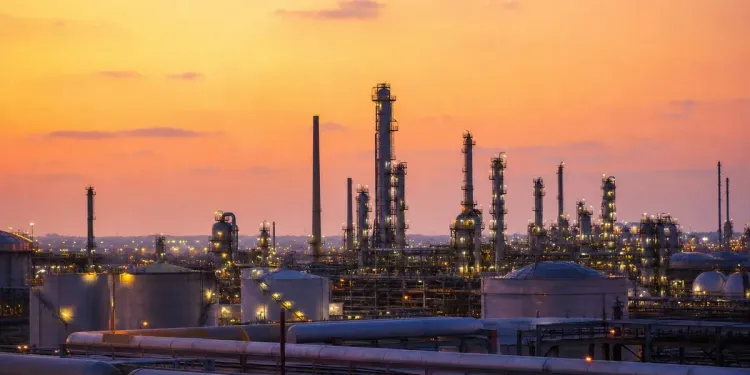
The comprehensive cooperation plan is still being formulated. Takaichi said it would deepen ties between Gulf states and the Asia-Pacific region, including Japan, to support a stable global energy supply while strengthening the Gulf states' economic and energy resilience.
The initiative also featured in her September 23, 2026, press conference. According to the Prime Minister's Office, Takaichi placed the Gulf plan under Japan's "Updated Free and Open Indo-Pacific" (FOIP), alongside the "Partnership On Wide Energy and Resources Resilience Asia" (POWERR Asia).
Safe navigation and technology cooperation
Takaichi stressed the need to restore stability quickly in two waterways: the Strait of Hormuz and the Bab el-Mandeb Strait. She pledged that Japan would work with Gulf states and the wider international community to keep navigation through both straits free and safe.
She also committed to closer cooperation to restore peace and stability in the Middle East, including work in advanced technologies such as AI. She described the shared goal as becoming "more resilient and prosperous together."