South Korea Seeks Wider Naval Mission Near Oman, Outside Strait of Hormuz
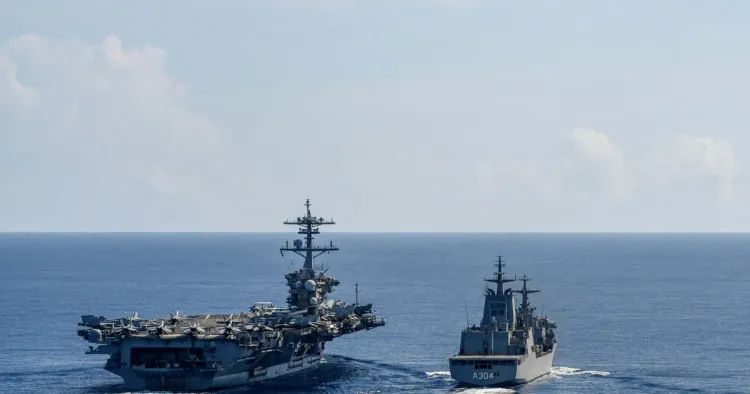
South Korea has submitted a plan to parliament to expand its Cheonghae anti-piracy mission, adding surveillance and mine-clearing capabilities in international waters south of Oman. The proposal would bring the unit closer to the Strait of Hormuz witho...
Key points
- The proposed deployment would run through December 31, 2027, and raise the personnel ceiling from 320 to 395 if lawmakers approve it.
- Djibouti is the expected operating location for the P-8A patrol aircraft, though no specific base has been settled yet.
- Entering the Strait of Hormuz to clear mines would require a separate parliamentary decision and appropriate security conditions.
- About 210,000 barrels of Bahraini petroleum products passed through Hormuz daily in 2025, according to International Energy Agency figures.
A larger operating area and new equipment
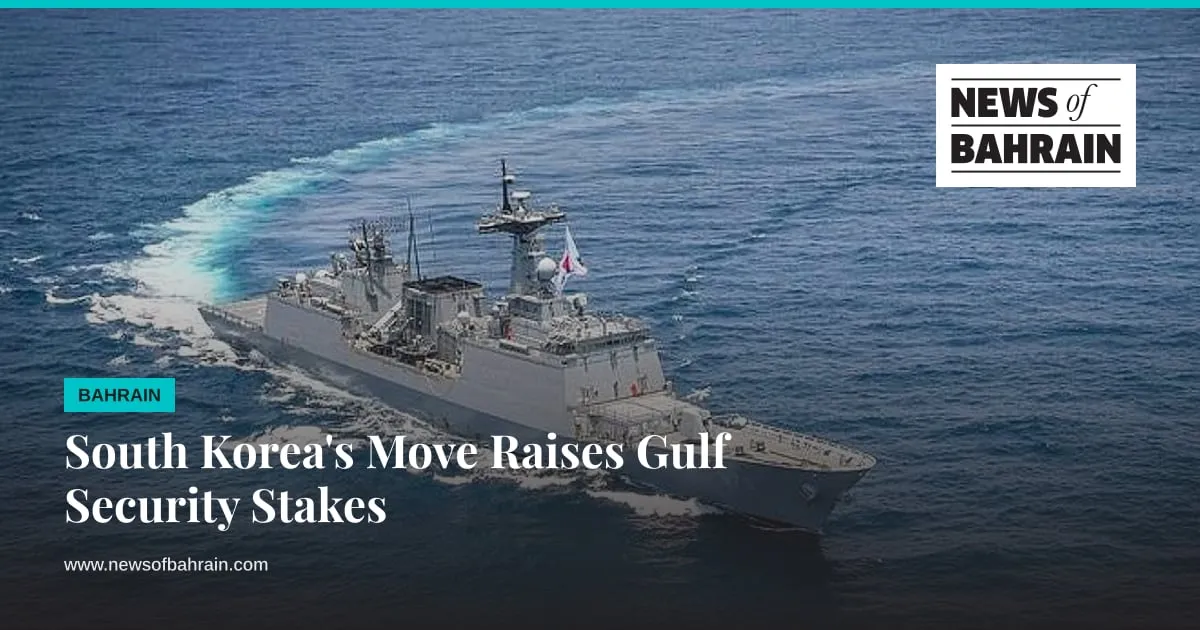
The proposal announced November 5, 2026, would extend the Cheonghae Unit's reach from the Gulf of Aden into the Arabian Sea near Oman's port of Duqm. Yonhap News Agency reported that the change would roughly double the unit's operating area. The proposed waters are about 650 kilometers from the Strait of Hormuz.
Seoul wants to add a P-8A Poseidon maritime patrol aircraft, an explosive ordnance disposal (EOD) team, and unmanned equipment for detecting and clearing mines both on and below the water's surface. The mandate would also cover support for efforts to restore freedom of navigation on international shipping routes.
According to The Korea Times, the motion submitted to the National Assembly would authorize the expanded deployment through December 31, 2027, if lawmakers approve it. The personnel ceiling would rise from 320 to 395, with 45 of the 75 additional personnel assigned to the aircraft and 30 to the EOD team.
Djibouti is the expected operating location for the P-8A, but no specific base has been settled, The Korea Times reported. Sending the aircraft would require parliamentary approval and consultations with Djibouti.
No immediate entry into Hormuz
Seoul has limited the proposed operations to international waters south of Oman. It also says the patrol aircraft would conduct no surveillance of Iranian territory or territorial waters. Deploying South Korean personnel to clear mines inside the Strait of Hormuz would require another parliamentary decision as well as appropriate security conditions, according to Yonhap.
South Korea has endorsed a British- and French-led international initiative to restore freedom of navigation through the Strait. Yonhap reported that participating countries require a "permissive environment" before such operations: either an end to the conflict or a formal bilateral agreement between Washington and Tehran.
The proposal comes as the U.S.-Iran conflict continues to disrupt shipping. Analysts cited by Yonhap noted that Washington had previously voiced displeasure at Seoul's reluctance to take part in military efforts to keep the Strait open against Iranian threats.
The expanded mission would not assure protection for commercial vessels from Bahrain or other Gulf Cooperation Council (GCC) countries. Its surveillance capability and preparations for possible mine clearance could, however, support broader international efforts to make navigation safe again.
Bahrain's exports and the Gulf's trade exposure
Bahrain's economic stake in uninterrupted passage is substantial. International Energy Agency (IEA) figures show that about 210,000 barrels of Bahraini petroleum products traveled through Hormuz each day in 2025. Across all exporters, daily flows of crude oil and petroleum products totaled approximately 20 million barrels, representing roughly 25% of the world's seaborne oil trade.
The IEA places Bahrain, Kuwait and Qatar among the countries that send the vast majority of their oil exports through the Strait. Dependence also extends to liquefied natural gas (LNG): in 2025, the route carried about 93% of Qatar's LNG exports and 96% of the UAE's.
Industrial cargo adds to that exposure. The IEA estimates that smelters in Bahrain, Qatar, Saudi Arabia and the UAE ship around five million tons of aluminum through Hormuz annually.
An extended interruption could disrupt exports while pushing up shipping and insurance costs and putting further pressure on energy markets. Higher logistics and import costs could also affect businesses and consumers beyond the energy sector.
Duqm's location and the wider security backdrop
Duqm sits outside the Strait on Oman's southeastern coast, facing the Arabian Sea and Indian Ocean. Oman Observer describes the deep-water port as a developing logistics and naval hub that attracts partners including India, the United States and the United Kingdom.
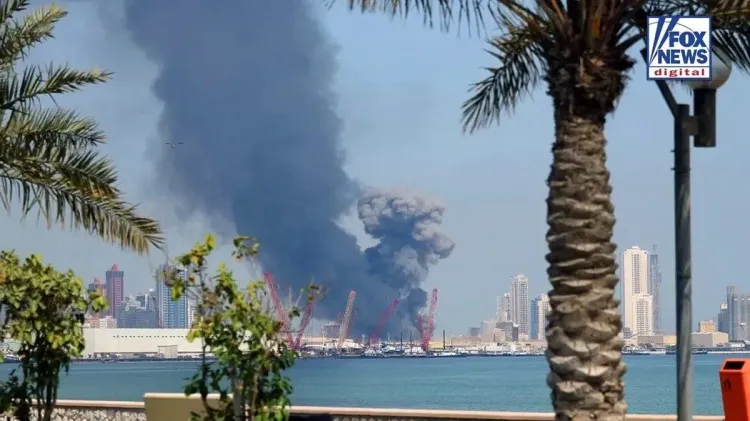
The port area has also faced attacks. Oman Observer reported several drone attacks on Duqm during March 1-3, 2026, amid the U.S.-Israel and Iran war. Workers' accommodations were hit, a tanker nearby off Oman's coast sustained damage, and fuel storage and bunkering facilities came under threat. Omani authorities subsequently reported that core operations had resumed.
Piracy is another concern behind Seoul's proposal. South Korean officials reported 36 incidents so far in 2026, compared with 11 in 2025.
Separately, the Africa Center for Strategic Studies recorded at least 23 piracy attacks in the Gulf of Aden region since April 2026, alongside renewed Houthi attacks on shipping. The center said the piracy threat had largely subsided between June 2024 and April 2026.