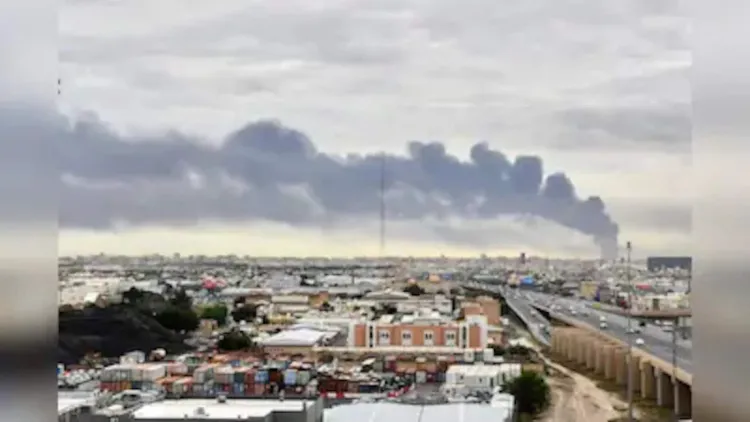
Bahrain Reports Interceptions After Iran Claims Drone Attack on U.S. Radar
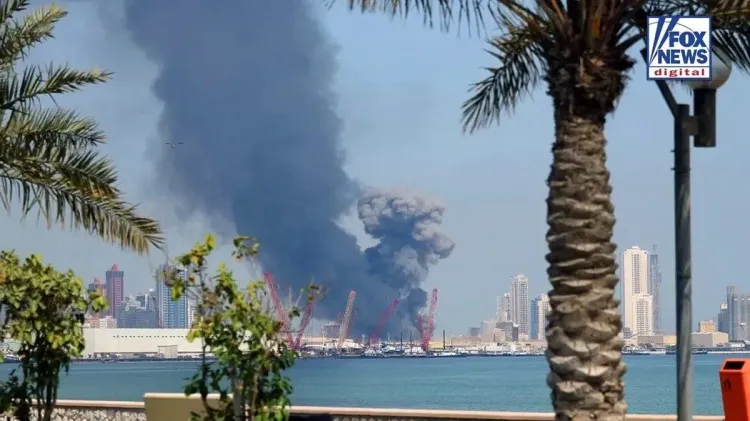
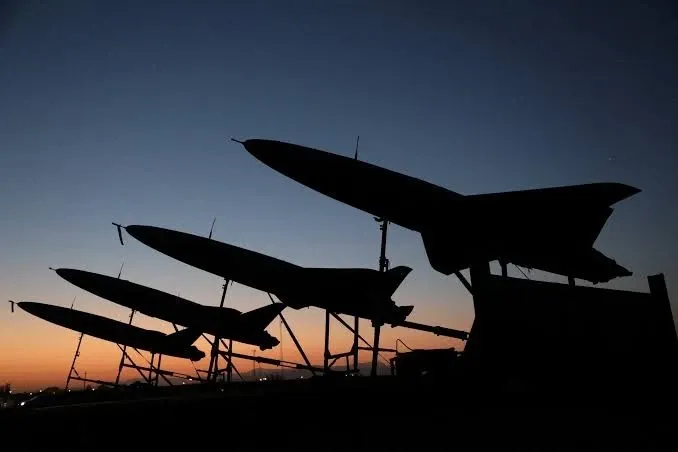
Bahrain said it intercepted Iranian weapons on November 17 as Iran's Islamic Revolutionary Guard Corps claimed to have targeted a U.S. radar system at Sheikh Isa Air Base with drones. It was the third reported Iranian drone attack on Bahrain in five da...
Key points
- Bahrain's Ministry of Interior warned residents of a possible threat and urged them to take shelter shortly before the incident.
- The Bahrain Defence Force said its air defenses destroyed several Iranian weapons but gave no count, damage, or casualty information.
- According to Tiền Phong, the IRGC said its attack responded to repeated incursions into Iranian airspace by U.S. military drones.
- Euronews reported that the November 13 attack was Iran's first against a Gulf country since early September, ending a weeks-long lull.
- A Congressional Research Service report estimated repairs to the Fifth Fleet headquarters in Bahrain would cost at least $400 million.
Shelter alert and competing accounts
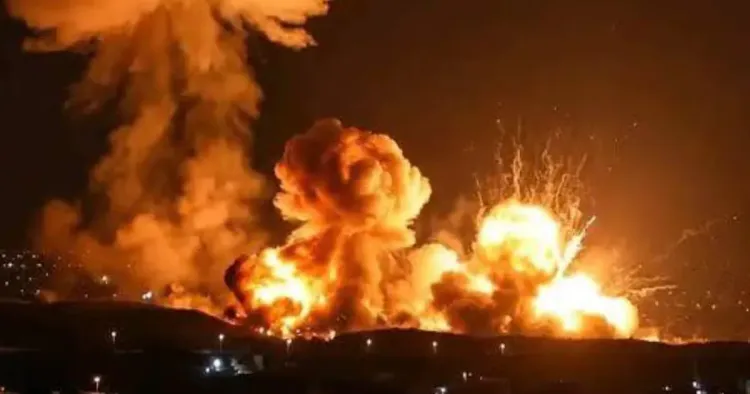
Bahrain's Ministry of Interior warned residents of a possible threat and urged them to take shelter shortly before the incident. The Bahrain Defence Force subsequently said its air defenses had destroyed several Iranian weapons without allowing them to reach their targets. It provided neither a count nor a description of the intercepted weapons and gave no information about damage or casualties.
The IRGC identified a U.S. military radar system at Sheikh Isa Air Base as its target. According to Tiền Phong, the force said the attack was a response to repeated incursions into Iranian airspace by U.S. military drones.
Euronews reported that the IRGC linked the operation to its continuing air-defense and electronic warfare efforts against U.S. drones in the MQ and MQM-170 series, which it said it sought to track, destroy and capture. The force also warned of a response if regional bases and military facilities continued to be used against Iran.
The November 17 attack followed two others within five days, according to Euronews. The first, on November 13, ended a weeks-long lull and was Iran's first attack against a Gulf country since early September. The U.S. military said it brought down two Iranian drones launched that day.
Bahrain also reported intercepting Iranian air attacks on November 15. Iran said it had sent six drones to strike a U.S. air-defense radar at the Al-Rifaa helicopter base, describing that operation as retaliation for provocative U.S. actions.
Earlier damage to the Fifth Fleet headquarters
Bahrain hosts the U.S. Navy's Fifth Fleet, whose headquarters at Naval Support Activity Bahrain suffered serious damage early in the war. A Congressional Research Service report updated September 23, 2026, said Iranian missiles and drones breached Bahraini airspace during the opening days of the conflict in February.
The report listed damage to the command headquarters, warehouses, two AN/GSC-52B satellite communications terminals and roughly a dozen other buildings. It estimated that repairs would cost at least $400 million.
The timing of a return to prewar operations remained uncertain. In September, Chief of Naval Operations Adm. Daryl Caudle said the Navy was "not getting back in [Bahrain at full operating status] anytime soon," according to the report.
Through August, only the United Arab Emirates, Kuwait and Saudi Arabia had been targeted by Iran more often than Bahrain since hostilities began, the Congressional Research Service said.
The report also cited preliminary indicators of an economic contraction of nearly 5% in Bahrain in 2026 and an almost 40% increase in sovereign credit default swap prices, reflecting a sharp rise in the cost of insuring its debt. The war's effect on tourism also led to the Bahrain Grand Prix being moved to Malaysia.
Bahrain's security ties extend beyond its role as a U.S. naval host. According to Defence24, Bahrain and the United States signed the Comprehensive Security Integration and Prosperity Agreement, or C-SIPA, on September 13, 2023. The United Kingdom joined as a full member on June 19, 2025. Senior officials from all three countries held discussions under the agreement on March 5, 2026, during the crisis.
Hormuz dispute holds up diplomacy
The war began on February 28, when U.S. and Israeli forces launched a military operation against Iran. Tehran retaliated against Israel and sites in several Arab countries that it identified as U.S. military facilities.
A memorandum of understanding signed by Washington and Tehran in June has not been implemented because of disagreements over guarantees for freedom of navigation through the Strait of Hormuz. Repeated rounds of confrontation have continued since July despite diplomatic efforts.
According to Euronews, fighting since September has largely been confined to the area around the strait. The United States has been blockading Iranian ports, while Iran has sought control over the oil shipping route.
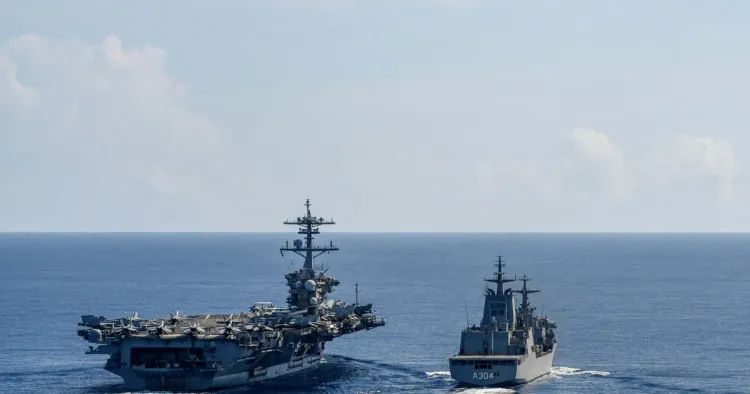
With talks apparently deadlocked, the U.S. military said on November 16 that a third American aircraft carrier, the USS Theodore Roosevelt, was operating in the Middle East, Euronews reported.
Tiền Phong, citing informed sources, reported that President Donald Trump had recently told senior advisers he might postpone an attack on Iran if the United States faced no further provocations from Tehran or Yemen's Houthi forces.
The White House said the Middle East war was due to be discussed at an unprecedented three-way summit involving Trump, Chinese President Xi Jinping and Russian President Vladimir Putin. The meeting was planned for the week of November 17 in China.